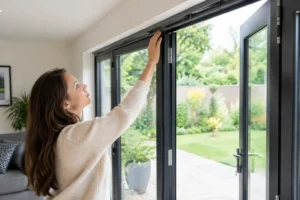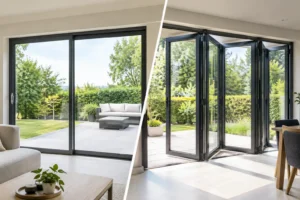
A bifold door that feels rough, noisy or difficult to close is often telling you something simple: grit has collected where the panels run. Knowing how to clean bifold tracks properly protects the smooth operation you expect from a quality aluminium door, while helping to prevent unnecessary wear on rollers, guides and seals.
The good news is that routine cleaning is straightforward. It does not require harsh chemicals, excessive water or a can of general-purpose oil. In fact, using the wrong product can turn a small maintenance job into a sticky, dirt-attracting problem. A careful clean a few times a year will keep the threshold looking smart and make opening up your kitchen or living space to the garden feel effortless.
Why bifold door tracks collect dirt
Bifold tracks sit at the point where indoor living meets the outdoors, so they naturally collect debris. Sand, soil, leaves, pet hair and small stones are easily carried in on shoes or blown in from the patio. During wetter months, damp debris can settle into the channels and become more difficult to remove.
On many aluminium bifold door systems, the bottom track also includes drainage paths. These allow rainwater to escape rather than pooling at the threshold. When dirt blocks these channels, water may remain around the door for longer than it should. That does not automatically mean there is a fault with the door, but it is a good reason to include track cleaning in your regular home maintenance.
The exact arrangement varies. Some doors are bottom rolling, with rollers running within the threshold, while others use a top-hung design with lower guides. Either way, the principle is the same: remove loose debris first, clean gently, and avoid interfering with moving hardware unless the manufacturer’s maintenance instructions specifically say otherwise.
What you need to clean bifold tracks
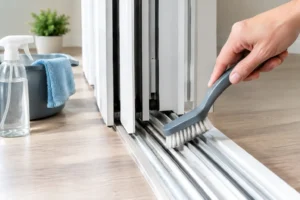
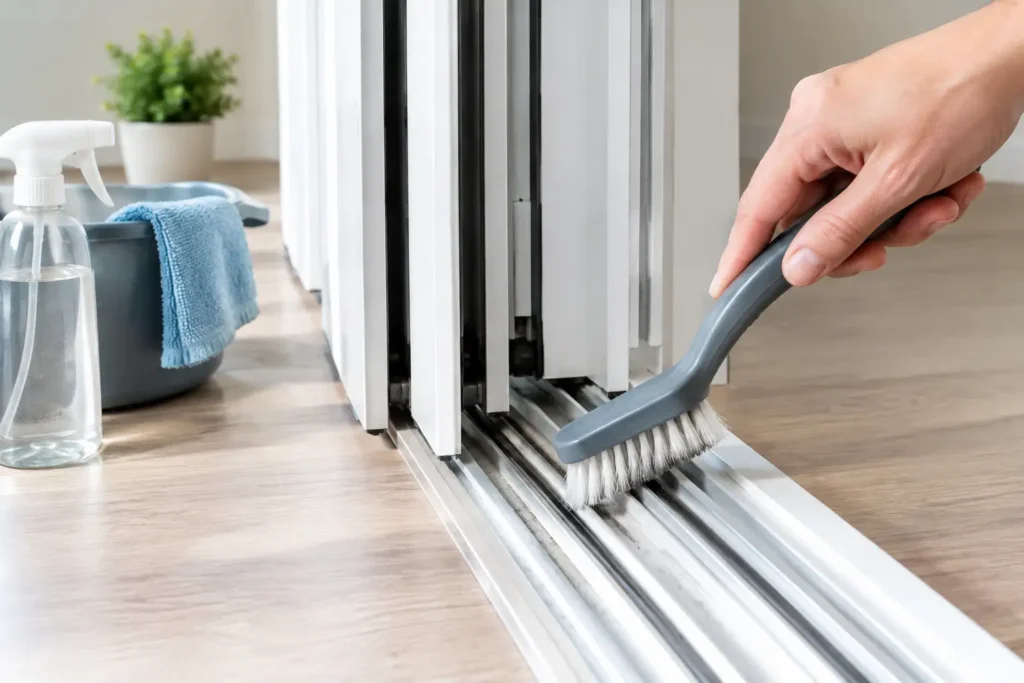
Most homeowners can do the job with ordinary cleaning equipment. Gather a vacuum cleaner with a narrow nozzle, a soft brush or clean paintbrush, a microfibre cloth and a bucket of warm water with a small amount of mild washing-up liquid. A soft toothbrush can help with tight corners and drainage slots.
Avoid abrasive scouring pads, wire brushes and strong solvents. These can mark powder-coated aluminium, damage seals or strip factory-applied lubricants from parts of the mechanism. Bleach and caustic cleaning products are also best kept away from aluminium frames and glazed door components.
If you are unsure whether a cleaning product is suitable, test it on an inconspicuous area of the frame first. For most routine dirt, mild soapy water is entirely sufficient.
How to clean bifold tracks step by step
Open the doors fully and inspect the threshold
Choose a dry day where possible and fold the doors back fully. This exposes the full length of the track, including the areas normally hidden beneath the panels. Before cleaning, look closely at what is there. Loose grit and dry leaves need a different approach from compacted mud or a sticky spill.
Check for obvious obstructions such as stones lodged in a channel. Remove these carefully by hand rather than forcing a tool into the track. Do not use a screwdriver or other sharp implement around rollers, seals or painted surfaces.
Vacuum out dry debris before adding water
Start with the vacuum cleaner. Run the narrow nozzle slowly along every visible channel, paying particular attention to corners, joins and the point where the doors meet the frame. A soft brush can loosen dirt immediately before vacuuming, but use light pressure.
This dry stage matters more than it may seem. If you apply water first, fine dust can turn into a muddy paste that settles deeper into the track. Removing as much loose debris as possible keeps the rest of the process quick and controlled.
Wipe the track with mild soapy water
Dip a microfibre cloth into warm, mildly soapy water and wring it out thoroughly. The cloth should be damp, not dripping. Wipe along the channels, frame edges and threshold cover, rinsing the cloth as it becomes dirty.
For stubborn marks, use a soft toothbrush with the same diluted solution. Work gently and avoid scrubbing at the brush seals. If the track is particularly muddy after garden work or bad weather, repeat this stage rather than reaching for a stronger cleaner.
It is sensible to keep the amount of water low, especially on a ground-floor threshold. The aim is to lift surface dirt, not flood the track. A small amount of water is usually enough, and it makes it easier to see whether drainage routes are clear.
Clear drainage slots with care
Look along the outer edge of the threshold for drainage holes or slots. Their position differs between systems, but they are designed to guide water away from the door. Brush away loose debris and wipe around each opening.
If a drainage slot appears blocked, use a soft brush or a short blast from a vacuum cleaner to clear it. Avoid pushing a rigid object deeply into the opening, as this can dislodge a component or compact debris further inside. If water repeatedly pools or drainage remains blocked after cleaning, arrange for the door installer or a qualified glazing specialist to inspect it.
Dry the track and test the operation
Use a dry microfibre cloth to remove remaining moisture from accessible surfaces. Then move the door through its full opening and closing cycle slowly. It should glide without scraping, grinding or catching.
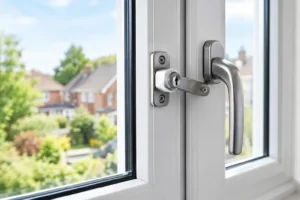
A slight change in feel after cleaning can be normal as removed grit allows the rollers and guides to move freely again. However, cleaning will not correct a door that has dropped, has a damaged roller, or needs alignment. Do not try to adjust hinges, roller height or locking hardware without the correct instructions and tools. Aluminium bifold doors are precisely set during installation, and incorrect adjustment can affect operation, weather performance and security.
Should you lubricate bifold door tracks?
Not always. This is where well-meaning maintenance can cause problems. Spraying household oil, WD-40 or grease directly into a bifold track often creates a film that attracts dust and grit. Before long, the track can become dirtier than it was before.
Some hardware systems have specific lubrication points, usually away from the main running channel. Others are designed to operate with little or no routine lubrication. Follow the door manufacturer’s care guidance, or ask your installer which product is approved for your system. If lubrication is recommended, use only a small amount of the specified dry or silicone-based product and apply it precisely to the stated component.
For a premium system such as Smarts Visofold 1000 Bifold Doors, regular cleaning and sensible maintenance help preserve the smooth, refined operation that makes a wide glazed opening such a valuable feature in the home.
How often should bifold tracks be cleaned?
For most UK homes, a thorough clean every three to six months is a practical routine. Doors facing an exposed garden, busy patio or gravel driveway may need attention more often, particularly through autumn and winter. Homes near the coast can also benefit from more frequent wiping, as airborne salt and windblown particles can build up on aluminium and glass.
A quick vacuum after gardening, building work or children and pets have been regularly moving in and out can prevent a larger clean later. It takes only a few minutes and helps stop grit being ground into the running areas.
While you are cleaning, wipe the frame, glass and visible rubber seals with a soft cloth. This gives you a useful opportunity to spot damaged seals, loose hardware or any change in the way the door closes.
When a clean is not enough
If the door still drags, catches, rattles or refuses to lock correctly after the tracks are clear, the cause may be mechanical rather than dirt. Rollers can wear, hinges may require adjustment, and an installation can occasionally need realignment after normal building movement. Persistent water ingress, damaged seals or a threshold that has visibly moved should also be assessed professionally.
Avoid forcing stiff panels shut. Excessive force can damage locks, rollers and hinges, and may turn a straightforward service visit into a more involved repair. Take note of where the issue occurs and whether it affects one panel or the whole door, as this will help an installer diagnose the problem.
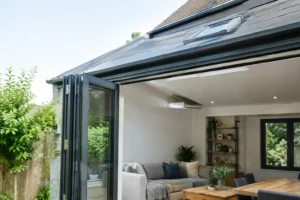
Clean, clear tracks are a small detail with a big effect on daily living. A few careful minutes of maintenance keeps your bifold doors ready for the moments they matter most: a bright kitchen, an open garden view and an easy transition between home and outdoors.