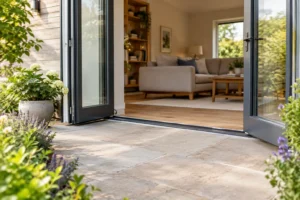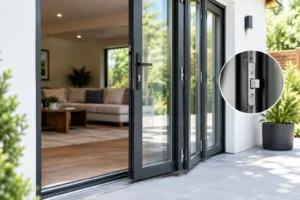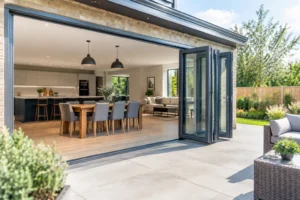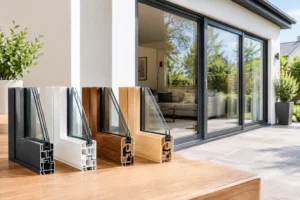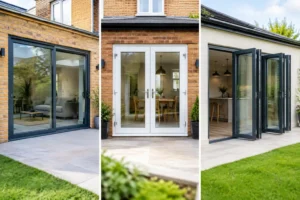
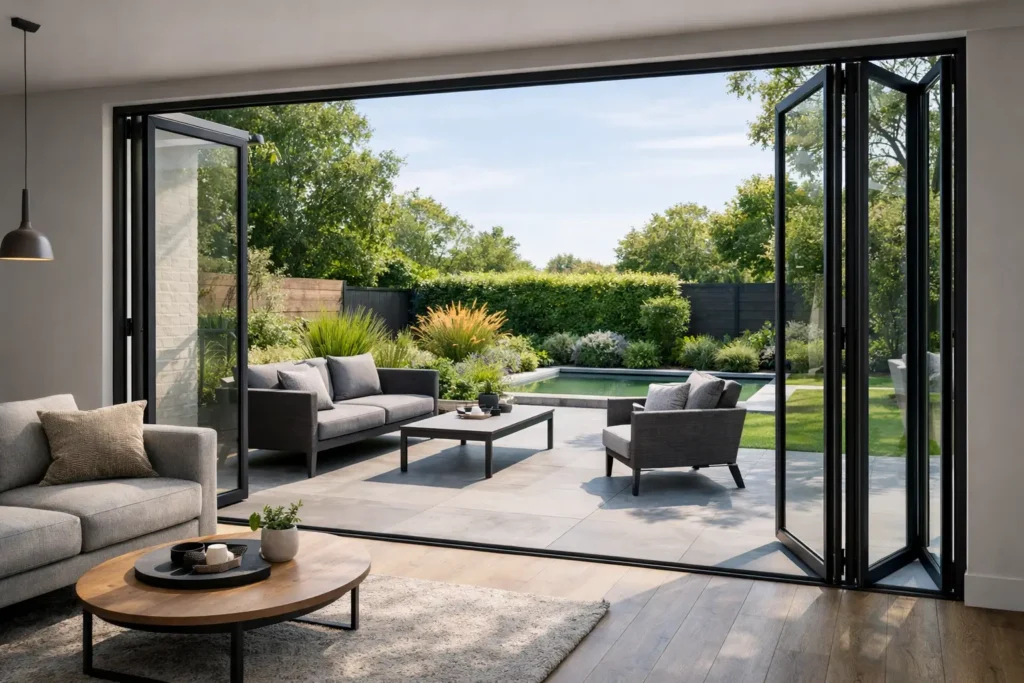
When you stand in a kitchen extension and look out at the garden, the frame matters just as much as the glass. Slim frame bifold doors are designed to reduce visible aluminium, so you get cleaner sightlines, more daylight and a sharper, more contemporary finish. For homeowners improving how a room looks and feels, that difference is immediate.
The appeal is easy to understand. A slimmer frame gives the glass more presence, which helps a space feel brighter and more open even when the doors are closed. When the panels are folded back, you get the wide opening people want from bifolds in the first place – better access to the patio, easier summer entertaining and a stronger connection between house and garden.
Why slim frame bifold doors are in such high demand
A lot of home improvement choices are really about compromise. You want more glass, but not at the expense of strength. You want a modern look, but not something that feels cold or impractical. You want better thermal performance, but you do not want to lose the open-plan effect that made you consider bifolds at all.
This is where slim frame systems have become so popular. Aluminium is strong enough to support large glazed panels without the bulky look that older systems often had. That means homeowners can achieve a cleaner architectural style while still benefiting from durability, security and everyday reliability.
In practical terms, slim frames help in three areas that matter most. First, they maximise natural light, which can completely change how an extension, dining area or living room feels across the year. Second, they improve the view out, which is particularly valuable if you have invested in landscaping, a new patio or a garden room. Third, they create a more refined finish that suits both contemporary and updated period properties.
What makes a bifold door frame “slim”?
Slim does not mean weak, and it does not mean every part of the door is ultra-thin. In bifold design, the key measurement is usually the visible sightline where door panels meet. The narrower that meeting stile, the less aluminium interrupts the glass.
That said, the slimmest-looking option on paper is not always the best choice for every property. Panel size, overall opening width, exposure to wind, threshold requirements and glazing specification all affect what is possible. A good system balances elegant sightlines with the structural integrity needed for long-term performance.
This matters because a bifold door is not just a design feature. It is a moving external door system that has to open smoothly, lock securely, cope with weather and meet current standards. The best slim frame bifold doors manage all of that without looking heavy.
The benefits go beyond appearance
Homeowners are often drawn to slim frames because of the look, but the day-to-day advantages are just as important. More glazing means more borrowed light into the middle of the room, which is especially useful in rear extensions where depth can make spaces feel darker than expected.
There is also the question of flexibility. Bifold doors can be configured with panels opening in or out, stacking to one side or split in the middle, with traffic doors for everyday use. A slim frame system gives you these practical options while keeping the overall design neat and uncluttered.
Then there is durability. Aluminium remains one of the strongest and most dependable materials for bifold doors. It does not warp, swell or rot, and its powder-coated finish is well suited to UK weather conditions. For buyers making a long-term investment, that reliability matters every bit as much as the first impression.
Slim frame bifold doors and thermal performance
One of the biggest questions homeowners ask is whether large glazed doors will make a room colder. That was a fair concern with older products, but modern aluminium systems have moved on significantly.
A well-made bifold door should include thermal break technology within the frame, quality double glazing as standard and weather-tested seals designed to limit draughts and heat loss. The result is a door that supports comfortable year-round use rather than simply looking good in summer.
Of course, thermal performance depends on specification. Glass type, spacer bars, frame design and installation quality all play a part. If your project is an extension or major renovation, Building Regulations will need to be considered too. That is why bespoke advice is worth having. The right slim frame bifold doors should be selected not just for style, but for how they perform in your specific opening.
Security should be standard, not an upgrade
A slimmer profile should never mean a weaker door. For domestic buyers, security is non-negotiable, particularly at the rear of the house where bifolds are most often installed.
Modern aluminium bifold systems can include multi-point locking, high-security cylinders, toughened safety glass and tested hardware that keeps the door stable and secure across repeated use. These details are easy to overlook when comparing sightlines and colour finishes, but they matter enormously once the doors are in daily service.
It is worth asking how the door locks, what standard hardware is included and whether the system has been designed for modern security expectations rather than adapted as an afterthought. A quality product should give you slim aesthetics and solid reassurance together.
Choosing the right configuration for your home
Not every opening suits the same panel layout. The best result usually comes from balancing visual symmetry with practical use.
For example, a three-panel bifold can work well on more modest widths, while wider kitchen extensions may suit four, five or six panels depending on the span. If the doors will be used regularly for quick access to the garden, a traffic door can make everyday use much simpler. If your threshold needs to be as low as possible for accessibility or a flush transition, that should be factored in from the start.
Opening direction also matters. Doors that fold outward preserve interior floor space, which can be useful in kitchens and family rooms. Inward-folding doors may suit some layouts better, but they need room to stack inside. These are not difficult decisions when guided properly, but they do affect the finished result more than people often expect.
Colour, hardware and the finished look
Slim frame bifold doors work because they support a clean, modern aesthetic, but the final character of the doors comes from the details. Anthracite grey remains a popular choice for obvious reasons – it is versatile, current and works well with brick, render and contemporary extensions. Black can create a stronger architectural statement, while white and off-white tones often suit more traditional homes.
Hardware finishes, cill choices and threshold design also influence the overall feel. Some homeowners want the doors to disappear into the background, letting the garden view dominate. Others want the frames to become a design feature in their own right. Both approaches can work, provided the specification is thought through as a whole rather than chosen piece by piece.
This is where bespoke manufacture makes a real difference. Made-to-measure doors are better placed to suit the exact opening, intended use and design priorities of the property.
Supply only or full installation?
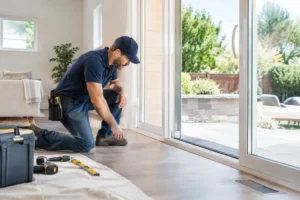
That depends on how you are managing your project. Some customers are confident working with their own builder and want a supply-only service, particularly if they are handling multiple renovation elements at once. Others prefer the reassurance of a full survey and installation package, with one specialist responsible for fit, finish and compliance.
Neither route is inherently better. The right choice comes down to your level of experience, the complexity of the job and how much control you want to retain. What matters is that the doors are accurately measured, properly specified and fitted to perform as intended.
For many homeowners, this is where working with an experienced specialist such as Smarts Bifold Doors gives useful peace of mind. Good advice early on can prevent expensive compromises later.
Are slim frame bifold doors always the best option?
Not always, and it is better to be honest about that. If your priority is the absolute largest uninterrupted pane of glass when closed, sliding doors may be worth considering. If your opening is relatively small, the visual benefit of a slim bifold frame may be less dramatic than in a wider extension.
But where you want a fully open corner of the home, flexible access and a strong indoor-outdoor feel, bifolds remain one of the most effective solutions available. Slim frames simply make that solution more refined.
The best results come from looking beyond the brochure image and thinking about how the doors will be used in real life – on cold mornings, busy school runs, family barbecues and ordinary weekdays when you just want more light in the room. Get that balance right, and the doors do more than improve an opening. They change how the whole space works.
If you are planning a renovation or extension, it is worth taking the time to specify a door system that earns its place every day, not just on installation day.