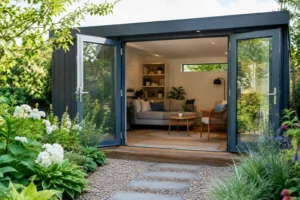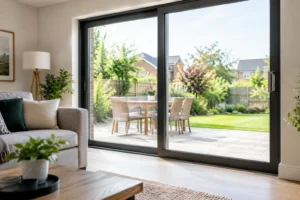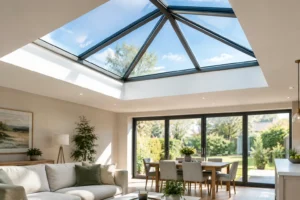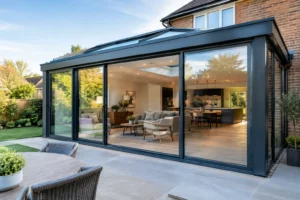
If you are planning an extension or updating a rear elevation, choosing the best aluminium patio door systems quickly becomes one of the biggest design decisions in the project. Get it right and you gain more light, better garden access and a cleaner, more contemporary finish. Get it wrong and you can end up with door leaves that do not suit the opening, sightlines that feel heavier than expected, or performance that falls short in winter.
For most homeowners, the right choice comes down to how you want the opening to work day to day. Some people want the widest possible view with minimal frame. Others want the whole wall to open for summer entertaining. Both are valid, but they lead you towards different systems.
What makes the best aluminium patio door systems?
The phrase means different things depending on the room, the opening width and how you use your home. A family kitchen extension usually needs easy traffic flow, strong thermal performance and low maintenance. A formal living room may place more emphasis on uninterrupted glass and a refined frame profile.
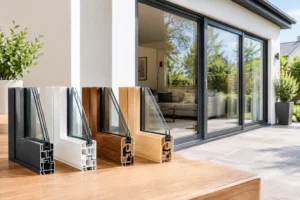
The best aluminium systems tend to share a few essentials. They use thermally broken aluminium frames to reduce heat transfer, energy-efficient glazing to improve comfort, quality hardware for reliable operation and secure locking as standard. They also offer practical customisation, because threshold choice, panel size, opening direction, handle finish and colour all make a visible difference once the doors are installed.
Aluminium remains a strong choice because it balances slim sightlines with structural strength. That lets manufacturers produce larger glazed panels than many alternative materials, while keeping the look crisp and modern. It also resists warping, swelling and routine wear well, which matters in doors that are opened every day.
Sliding or bifold – which system suits your space?
This is the first decision to make, and it is rarely just about appearance.
Sliding doors for wider views
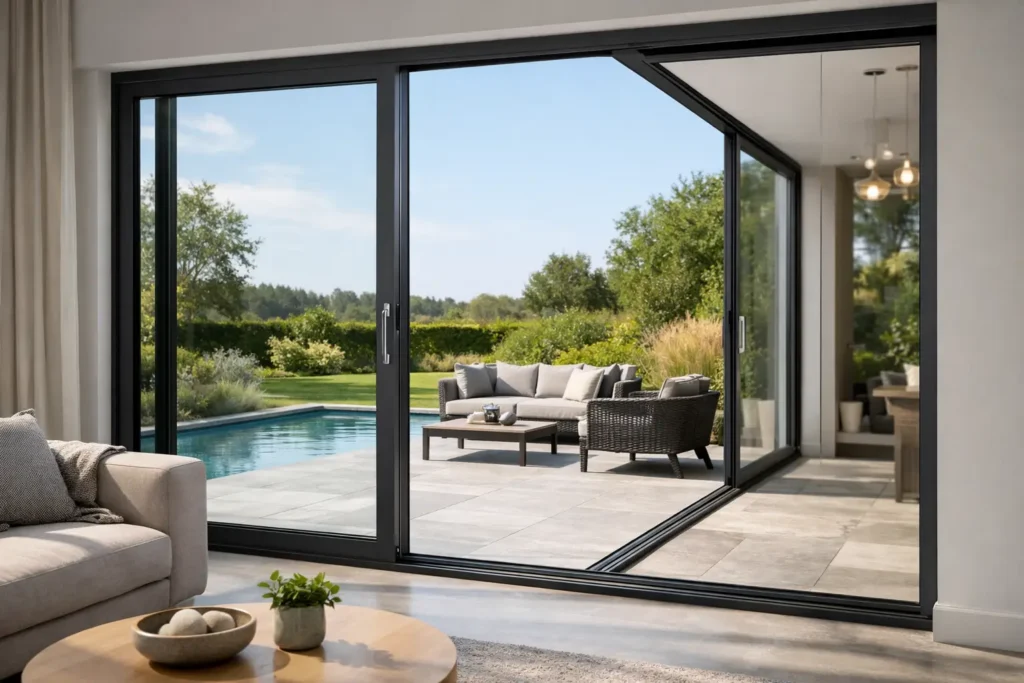
If your priority is glass first, frame second, sliding systems are often the strongest option. Because the panels move behind one another rather than folding to the side, they maintain broad glass areas and very slim vertical sightlines. That makes them especially effective in garden-facing kitchens, contemporary extensions and spaces where the view is part of the design.
Systems such as the Smarts Visoglide Plus sliding door, Schuco ASE60 Sliding Door, Schuco ASE80 Sliding Door, Cortizo COR Vision Sliding Door and Cortizo COR Vision Plus Sliding Door are designed for this kind of application. The differences between them usually come down to panel sizes, frame dimensions, thermal values and how minimal the sightlines can be.
The trade-off is straightforward. Sliding doors do not open the full width of the aperture because one panel usually sits behind another. If you want a large clear opening from house to patio, that limitation matters.
Bifold doors for full opening access
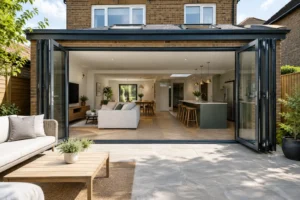
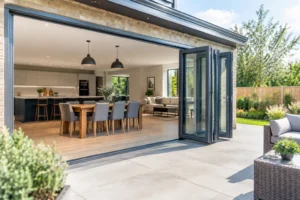
Bifolds are ideal when you want the opening to feel genuinely connected to the garden. The panels fold and stack to one or both sides, so much more of the aperture can be opened up. That is why they remain a popular choice for kitchen diners, family rooms and entertaining spaces.
Options such as Smarts Visofold 1000 Bifold Doors, Smarts Visofold 6000 Bifold Doors, Schuco ASFD75 Bifold doors, ASFD90.Hi Bifold Doors, Cortizo Bifold Plus, Origin OB36 Bifold Doors and Origin OB49 Bifold Doors each suit slightly different priorities. Some focus on slimmer styling, others on larger panel capability or enhanced thermal performance.
The compromise with bifolds is that they naturally introduce more visible frame lines than sliding doors, and the stacked panels need somewhere to sit when open. In many homes that is a worthwhile exchange for the flexibility they offer.
Best aluminium patio door systems for different priorities
A good specification starts with the main outcome you want from the room.
For the slimmest look
If you want a clean architectural finish and the least interruption to the view, advanced sliding doors are usually the best fit. The Cortizo COR Vision Sliding Door and Cortizo COR Vision Plus Sliding Door are often considered where minimal sightlines are a leading concern. They suit contemporary extensions particularly well, especially where large panes and a sharp, understated frame are part of the design brief.
For everyday family use
Busy households often need a balance of practicality and style rather than the most extreme design statement. A system such as the Smarts Visoglide Plus sliding door can work very well here, offering smooth operation, good thermal performance and a strong visual finish without becoming overly specialist.
For bifold layouts, the Smarts Visofold 1000 Bifold Doors remain a dependable all-rounder for many domestic projects. They are well suited to homeowners who want a tailored aluminium system with proven performance and flexible configuration options.
For premium thermal performance
Thermal efficiency matters more than many people expect in a heavily glazed opening. A large expanse of glass can transform a room, but only if the system has been properly designed with thermal breaks, quality seals and suitable glazing.
Higher-performing systems such as the ASFD90.Hi Bifold Doors or Schuco ASE80 Sliding Door are often worth considering if energy performance is high on your list. The right glazing specification is just as important as the frame itself, so it is best to look at the complete door build rather than one headline figure.
For renovation flexibility
Not every opening is a clean, new-build rectangle. Renovation work often brings awkward widths, low floor levels, existing steels and practical limits on what can be altered. In those cases, a system with broad configuration options is usually more useful than one with the most aggressive marketing claims.
That is where bespoke aluminium comes into its own. The ability to choose panel numbers, opening arrangements, threshold details and finishes gives you a better chance of matching the door to the property, rather than forcing the property to suit the door.
How to compare the best aluminium patio door systems properly
Price matters, but it should not be the only filter. Two systems can look similar in photographs and perform quite differently once installed.
Start with sightlines. Slim frames are attractive, but they need to be judged alongside panel size and overall proportion. A larger panel with a slightly deeper frame can still create a better result than a supposedly ultra-slim system split into smaller sections.
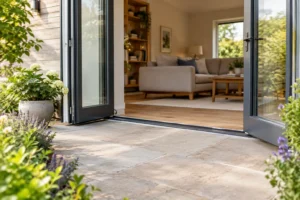
Then look at threshold options. A low threshold can improve access to the garden and create a neater transition, but weather performance and practicality need to stay in balance. For some homes, especially where exposure is higher, the best option is not always the flattest one.
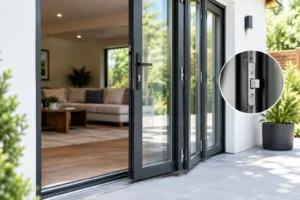
Security should be standard, not an upgrade. Multi-point locking, quality cylinders, toughened or laminated glazing where required and properly engineered hardware all contribute to peace of mind. Large glazed doors should feel reassuringly solid in use.
Finally, ask how the system will be supplied and fitted. Even the best aluminium patio door systems depend on accurate surveying, good manufacturing tolerances and careful installation. Performance on paper only becomes real when the product is fitted correctly.
Design details that make a big difference
Homeowners often focus on the door style first, then realise later that the smaller choices shape the final result just as much.
Colour is one example. Anthracite grey remains popular for good reason, but it is not the only strong option. Black, white and bespoke finishes can all work well depending on the brickwork, render and window style. If you are changing several glazed elements together, coordinating with products such as Smarts Alitherm 400 Windows, Cortizo Casement Windows, Schuco AWS80SC Casement Windows or Cortizo Hidden Sash Windows can give the whole elevation a more resolved appearance.
Handle finishes, cills, trickle ventilation where needed and the way the doors meet flooring internally and paving externally all affect how refined the installation feels. These are not afterthoughts. They are part of choosing a system that looks right in your home rather than just in a brochure.
Are the most expensive systems always the best?
Not necessarily. There is a point where added cost buys genuinely better engineering, improved thermal values or slimmer aesthetics. There is also a point where the return becomes more marginal, especially in a standard domestic opening.
For many UK homeowners, the best option is the system that fits the opening well, performs reliably through the seasons and gives the appearance they want at a sensible price. That often means choosing from established aluminium systems with a strong reputation, then tailoring the specification carefully.
This is where specialist advice is valuable. A wider opening may favour a sliding system. A family space used heavily in summer may benefit more from bifolds. A highly exposed site may call for a different threshold or glazing specification than a sheltered suburban garden. Good guidance saves money as often as it spends it.
When you compare the best aluminium patio door systems in that way, the choice becomes much clearer. You stop asking which product is supposed to be the best in general, and start asking which one is best for your home, your layout and the way you actually live. That is usually where the right decision is made.