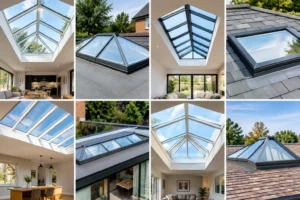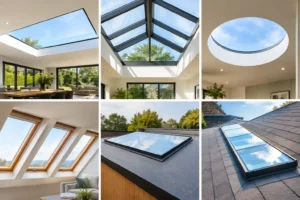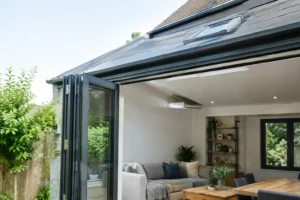

A roof lantern can change the character of an extension before a single piece of furniture is moved in. Positioned above a kitchen island, dining table or family seating area, it draws daylight into the centre of the room, where vertical windows cannot always reach. Choosing between the best roof lantern styles is therefore about more than appearance. The right design must suit your roof, your property’s architecture, the direction it faces and how you use the room every day.
For most UK homeowners, a roof lantern is a statement feature with a practical job to do: make a flat-roof extension feel brighter, taller and more connected to the garden. Aluminium frames, thermally efficient glazing and careful sizing make that possible without compromising comfort in winter or creating excessive heat in summer.
What defines a roof lantern style?
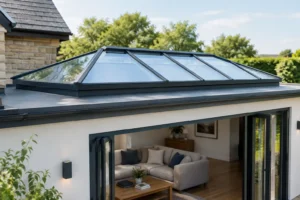
A roof lantern is a raised glazed structure installed on a flat or very low-pitched roof. Unlike a flat rooflight, it has angled glass panes that meet at a ridge, giving it a distinct three-dimensional profile. This shape catches light from more directions throughout the day and creates a sense of height from inside the room.
Style comes from the lantern’s geometry, the number and arrangement of glazing bars, frame sightlines, colour and overall proportions. A clean, contemporary lantern may have very slim aluminium rafters and a low-profile ridge. A more traditional option may use a stronger grid pattern and sit comfortably above a period orangery or extension.
The best choice depends on context. A lantern that looks exceptional on a wide, single-storey rear extension may feel over-detailed on a compact kitchen addition. Equally, an ultra-minimal design can look out of place where the house has strong period character. Getting the proportions right is usually more valuable than following a passing trend.
The best roof lantern styles for different homes
1. Slimline contemporary roof lanterns
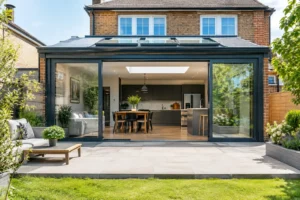
Slimline lanterns are the natural choice for modern extensions, especially those with aluminium bifold or sliding doors opening onto the garden. Their appeal lies in narrow frame sections, large glazed areas and a crisp architectural outline. From inside, the reduced sightlines keep attention on the sky rather than the structure above it.
This style works particularly well over open-plan kitchen-diners and rear extensions with clean lines, pale finishes and large-format glazing. Black and anthracite grey remain popular frame colours because they add definition against a light ceiling and can coordinate with external doors and windows. A colour-matched aluminium lantern can also create a more considered whole-house finish.
There is a trade-off. Very slim designs are best when the roof opening is large enough to show off their proportions. On a modest extension, a smaller lantern with too many bars can appear busy. A simple two-way or three-way configuration often gives the strongest result.
2. Contemporary square roof lanterns
A square or near-square lantern creates a focused pool of light and is ideal when the roof space is limited. It is often positioned over a kitchen island, breakfast table or central seating area, where it becomes a deliberate design feature rather than simply filling the entire roof.
The symmetry of this style suits both modern and more conventional homes. It can make a narrow extension feel less tunnel-like by lifting the eye upward at its focal point. If your extension is long and rectangular, two smaller square lanterns can sometimes look more balanced than one oversized rectangle, while allowing light to reach different zones of the room.
Square lanterns need considered placement. A lantern centred on the roof is not always centred on how you live in the space. Align it with the island, dining table or main circulation route instead, and the room will feel more intentional.
3. Rectangular roof lanterns for wide extensions
Rectangular lanterns are a popular option for larger kitchen extensions, garden rooms and open-plan living spaces. Their longer shape follows the footprint of many rear additions and provides daylight across a broader area. This makes them particularly effective where the room is deep, with a solid rear wall or covered external area reducing the amount of light entering from the garden side.
A long lantern can be arranged with two, three or more glazed sections depending on its dimensions. Fewer, larger panes give a more contemporary appearance and minimise visual interruptions. Additional glazing bars may be appropriate on very wide units, or where a more traditional aesthetic is preferred.
Avoid making the lantern almost as large as the roof itself without considering solar gain, privacy and the supporting roof structure. More glass is not automatically better. A well-proportioned lantern can deliver dramatic daylight while leaving enough insulated roof area to maintain a comfortable, balanced room.
4. Traditional multi-pane roof lanterns
For Victorian, Edwardian and character properties, a multi-pane roof lantern can provide a more sympathetic finish than a highly minimal design. The grid of rafters and glazing bars gives the structure a classic orangery feel, particularly when paired with heritage-style doors, brick detailing or a more formal garden setting.
Traditional does not have to mean outdated. Modern aluminium construction provides strength, durable powder-coated finishes and far better thermal performance than older timber or steel designs. This allows homeowners to preserve the visual character they want while benefiting from energy-efficient glazing and low maintenance.
The key is restraint. A detailed lantern looks best when it echoes other architectural elements of the house. Too many bars on a small roof can make the ceiling feel crowded, so scale remains essential.
5. Low-pitch roof lanterns
Some contemporary lanterns are designed with a lower external profile, creating a subtle raised form rather than a prominent roof feature. This is a useful option where overlooking is a concern, where the extension sits close to a boundary, or where you want the lantern to complement rather than dominate the rear elevation.
Inside, a low-pitch design still brings in overhead daylight and creates a sense of volume. Outside, it can be less visually intrusive from upper-floor windows or neighbouring properties. It is an effective middle ground for homeowners who want the benefits of a lantern but prefer a restrained architectural finish.
Check the system’s required roof pitch and installation specification before committing. A roof lantern must be installed to the manufacturer’s recommendations to ensure reliable weathering and drainage.
6. Bespoke-shaped roof lanterns
Not every extension is a neat rectangle. L-shaped kitchens, angled garden rooms and remodelled period properties can call for a bespoke lantern arrangement. This may mean an unusual size, a tailored bar layout or multiple rooflights positioned to suit the room’s layout.
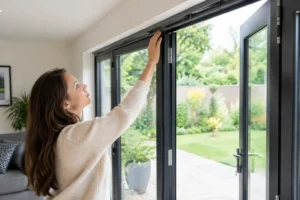
A bespoke approach is also valuable when coordinating with doors below. For example, a lantern aligned with a run of Smarts Visofold 1000 Bifold Doors can reinforce the strong horizontal and vertical lines of a contemporary extension. Matching frame colour, glazing specification and sightlines helps the roof and wall glazing feel designed together rather than selected separately.
Customisation should solve a genuine design or practical issue, not add complexity for its own sake. Your supplier should assess the roof opening, structural supports and intended glazing configuration before finalising the design.
Choose glazing for comfort, not just light
The frame style gets most of the attention, but glass specification has a major effect on how the room feels. Thermally efficient double glazing with a low-emissivity coating helps reduce heat loss, while warm-edge spacers and insulated aluminium frame sections support overall performance.
For south-facing and west-facing extensions, solar-control glass is often worth considering. It can reduce the amount of solar energy passing into the room, helping to limit overheating and glare at the hottest times of year. However, it may also slightly alter the appearance of the glass and reduce some light transmission. The right balance depends on orientation, shading, roof size and how much glass is already in the walls.
Self-cleaning glass can be a useful practical upgrade for hard-to-reach roof glazing, but it is not a replacement for occasional cleaning. Rainwater helps wash away dirt, yet sheltered roofs, tree cover and urban pollution can still leave deposits over time.
Size, position and proportion matter most
When comparing roof lantern styles, start with the room below rather than the roof above. Consider where the darkest part of the extension sits, where people gather, and whether sunlight is likely to be welcome or disruptive. A lantern over a television area may create glare, while one above a dining space can make everyday meals feel noticeably brighter.
As a general design principle, leave a visible border of solid roof around the lantern. This frames the glazing, accommodates insulation and drainage details, and stops the structure looking oversized. The ideal border varies with the extension and roof build-up, so accurate surveying is essential.
You should also think about views from upstairs and outside. A roof lantern is visible from neighbouring windows and may be seen from your own bedrooms. Frame colour, pitch and placement all influence how it sits within the wider property.
Practical checks before ordering
A quality roof lantern should use durable aluminium construction, thermally broken frame sections and safety glass appropriate for overhead glazing. It must be correctly flashed and integrated with the roof covering to protect against water ingress. These details are as important as the visible frame design.
Building Regulations may apply to the thermal performance and structural alteration involved in your project. Planning permission is not always required for a roof lantern, particularly on permitted development extensions, but restrictions can apply to listed buildings, conservation areas and projects close to boundaries. Confirm the position early, rather than treating it as a final decorative decision.
Professional installation offers reassurance where structural openings, roofing work and glazed products need to work together. If you are managing your own build, a supply-only roof lantern can also be a practical route, provided your installer is experienced with the chosen system and follows the supplied specification exactly.
A roof lantern should feel like it belongs to the house, not like an afterthought placed on top of an extension. Start with the light you want in the room, choose a style that suits the architecture, and specify glazing that keeps the space comfortable all year round. A carefully planned lantern will continue to earn its place every time daylight reaches the heart of your home.