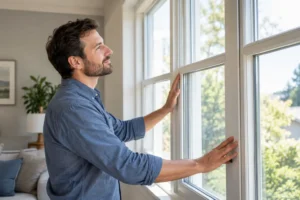
Cold spots beside a window, draughts across the floor and glass that feels icy on a winter morning are usually signs that your existing windows are no longer doing their job. The best replacement windows for insulation do more than improve the view. They help keep warmth inside, reduce reliance on central heating and make rooms feel consistently comfortable throughout the year.
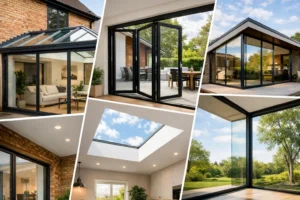
For UK homeowners, the right choice is rarely just a question of picking double glazing. Frame material, glass specification, window design, airtight installation and the condition of the surrounding wall all affect real-world performance. A well-made aluminium window with a proper thermal break and energy-efficient glazing can offer the slim, contemporary appearance many renovation and extension projects need, without compromising on warmth or security.
What Makes the Best Replacement Windows for Insulation?
A replacement window works as a complete system. The glass may be highly efficient, but it cannot compensate for a poorly insulated frame or gaps around the perimeter. Equally, a premium frame will disappoint if the unit is incorrectly fitted. Looking at the whole window specification helps you invest in performance that will be noticeable every day.
Thermal breaks in aluminium frames
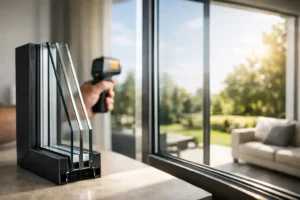
Older aluminium windows earned a reputation for feeling cold because metal naturally conducts heat. Modern aluminium systems are very different. Quality windows use a thermal break – an insulating barrier built between the inner and outer sections of the frame. This greatly reduces heat transfer through the aluminium, helping the internal frame surface stay warmer.
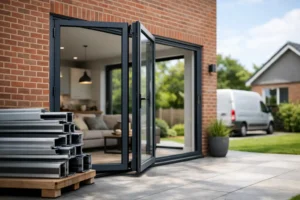
This construction makes aluminium a strong option for homeowners who want narrow sightlines, large panes of glass and a sharp architectural finish. Systems such as Smarts Alitherm 400 Windows are designed to combine durable aluminium profiles with thermal performance suited to modern homes, extensions and refurbishment projects.
Aluminium also holds its shape exceptionally well. That strength is useful where wider openings or taller windows are planned, as it allows for slim frames and more natural light without relying on bulky profiles. It is a practical balance for homeowners who want an energy-conscious upgrade without losing the clean-lined look of contemporary glazing.
Glazing specification matters as much as the frame
The gap between panes is not simply empty space. A sealed unit with an appropriate spacer bar, low-emissivity coating and insulating gas fill reduces heat loss through the glass. Low-E glass allows useful daylight into the room while reflecting heat back into the home, which is particularly valuable during the heating season.
For many properties, high-quality double glazing provides an excellent result. Triple glazing can improve insulation further, but it is not automatically the best answer for every home. Triple-glazed units are heavier, can affect the dimensions of a frame and may cost more. In a compact opening or an existing property with limited wall depth, a high-performing double-glazed aluminium window may be the more proportionate choice.
The orientation of the room should guide the final glazing specification too. Large south-facing windows can benefit from glass designed to manage solar gain, helping prevent overheating when the sun is strongest. North-facing rooms often prioritise maximum thermal retention. A tailored quotation should take these practical differences into account rather than applying one glazing option across every elevation.
U-values and energy ratings explained simply
A U-value measures how much heat passes through a building element. Lower figures indicate better insulation. When comparing replacement windows, ask whether the stated U-value applies to the centre of the glass or to the whole window. The whole-window figure is more useful because it accounts for the glazing, frame and edge details together.
Window energy ratings can also provide a helpful at-a-glance comparison, but they should not be considered in isolation. A window’s final performance depends on its size, opening style, glass configuration and installation. The most reassuring approach is to choose a system with tested thermal credentials and specify it correctly for your property.
Choosing an Insulated Window Style for Your Home
Casement windows remain one of the most effective choices for insulation. When closed, their compression seals create a tight weather barrier around the sash. They suit everything from traditional homes requiring a straightforward replacement to modern extensions that need larger glazed areas.
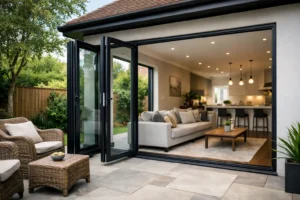
For a crisp contemporary finish, Cortizo Casement Windows and Schuco AWS80SC Casement Windows offer the benefits of thermally broken aluminium alongside strong security and clean sightlines. If you want the glass area to take centre stage, Cortizo Hidden Sash Windows can create a more minimal external appearance, with the opening sash sitting discreetly behind the outer frame.
The style should complement the property, but it also needs to work with how you use the room. A fixed picture window can deliver excellent thermal performance because it has no opening sections, while an opening casement supports everyday ventilation. Combining fixed and opening units is often the most sensible solution for a kitchen, living room or garden-facing extension.
Installation Is Essential to Window Insulation
Even the best-designed window can lose heat if it is installed with gaps, inadequate sealing or poor detailing around the reveals. Replacement work should account for the existing opening, cavity condition, external finishes and internal plasterwork. The aim is a secure, weather-tight fit that avoids unwanted air leakage while allowing the window to operate correctly.
This is where an experienced survey is valuable. It identifies potential issues before manufacture, including uneven openings, structural requirements and the need for suitable trims or flashings. It also ensures the chosen product meets relevant Building Regulations and is proportioned correctly for the opening.
Homeowners who prefer a full installation service benefit from one clear route from survey through to fitting. For experienced renovators and trade professionals, supply-only replacement windows can offer more flexibility, provided the installation team understands the system and follows the manufacturer’s fitting requirements carefully.
Do Not Overlook Draughts, Ventilation and Condensation
Better insulation should not mean a stuffy home. Modern windows can be very airtight, so background ventilation needs proper consideration. Depending on the property and the project, trickle vents or alternative ventilation measures may be required to meet Building Regulations and support healthy indoor air quality.
Condensation is another issue often blamed solely on windows. Internal condensation usually occurs when warm, moisture-laden air meets a cold surface. Efficient glazing and warmer internal frame temperatures can reduce the likelihood of it forming, but everyday moisture from cooking, showering and drying clothes still needs to escape. Suitable extraction, consistent heating and sensible ventilation all play a part.
External condensation, by contrast, can appear on the outside pane of a highly efficient window on a cool, clear morning. It may look concerning, but it often indicates that the outer glass is not being warmed by heat escaping from inside.
How to Compare Replacement Window Quotations
A low headline price does not always represent the best value. Compare quotations on like-for-like specifications, including the frame system, glazing build-up, whole-window U-value, hardware, colour finish, ventilation provisions and installation scope. Ask what is included for removal of old windows, making good internal finishes and disposal of waste.
Security deserves equal attention. Modern replacement windows should include reliable locking points, robust hinges and high-quality handles, with glazing and beads arranged to resist forced entry. Thermal efficiency and security should work together, not be treated as separate upgrades.
Colour and finish are also long-term decisions. Aluminium offers extensive options, from classic white and anthracite grey to darker architectural shades and dual-colour finishes. A durable powder-coated finish can help the windows continue to look smart through changing weather, with far less maintenance than older timber alternatives.
At Smarts Bifold Doors, replacement windows can be specified to suit the practical demands and visual character of each project, whether that means a single room upgrade or glazing throughout a full extension. The right specification begins with the opening, the orientation and how you want the room to feel when the work is complete.
A warmer home should still be a bright home. Choose replacement windows that pair thermally broken frames, energy-efficient glass and careful installation, then take the time to tailor the final specification to your property rather than settling for a one-size-fits-all package.