
If your current windows feel cold around the edges, gather condensation on winter mornings, or let heat escape faster than your boiler can replace it, energy performance stops being a technical detail and becomes a daily frustration. That is why aluminium windows energy efficiency matters so much for UK homeowners – not just for lower heating bills, but for comfort, condensation control and a home that feels consistently warmer.
Aluminium windows were once judged unfairly against older PVCu and timber systems because early metal frames transferred heat far too easily. That picture has changed. Modern aluminium window systems are built with thermal breaks, advanced seals and high-performance glazing, which means they can now deliver strong thermal results alongside the slim sightlines that make aluminium so popular in contemporary home improvement projects.
How aluminium windows energy efficiency really works
The biggest shift in aluminium window design has been the introduction of the thermal break. In simple terms, this is a non-metallic barrier placed between the inner and outer parts of the frame. It interrupts the path that heat would otherwise take through the aluminium, reducing heat loss significantly.
That matters because aluminium itself is a highly conductive material. Without a thermal break, warmth from inside your home can move through the frame quickly, especially in colder weather. With a properly engineered system, the frame works far harder to retain indoor heat, making aluminium a much more viable choice for energy-conscious homeowners.
Glass also plays a major part. Even the best frame will underperform if the glazing unit is not up to standard. Most modern residential aluminium windows use double glazing as a minimum, often with low-emissivity coatings, warm edge spacer bars and argon gas filling between the panes. Together, those features help slow down heat transfer and improve overall window performance.
When people compare windows, they often focus on the U-value. This measures how much heat passes through the whole window – frame and glass combined. The lower the U-value, the better the thermal performance. That sounds straightforward, but it is worth looking at what is actually being quoted. Some figures relate only to the centre pane of glass, while others refer to the complete installed window. For a realistic comparison, whole-window performance is what matters.
What affects the energy efficiency of aluminium windows?
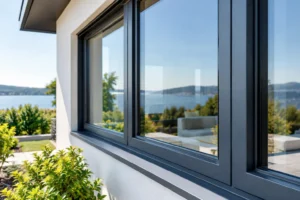
Frame design, glazing specification and installation quality all shape the final result. A slim aluminium frame can admit more glass and more natural light, which many homeowners want, but the frame still needs to be thermally capable. Better systems are designed to balance narrow sightlines with strong insulation values, rather than sacrificing one for the other.
The opening style also makes a difference. Fixed panes usually perform better than opening vents because they have fewer joints and seals to manage. That does not mean opening windows are inefficient, only that the design and manufacture need to be precise. Poorly fitted gaskets, weaker seals or inconsistent fabrication can all undermine performance.
Orientation matters too. South-facing windows may help with passive solar gain, especially in cooler months, but large areas of glazing can also contribute to overheating in summer if the specification is not right. North-facing windows tend to receive less direct sun, so thermal retention becomes even more important. This is where good advice matters – the best setup for one elevation may not be right for another.
Aluminium windows energy efficiency and glazing choices
If you are replacing older windows, the glazing package is often where a noticeable improvement is felt first. Low-E glass reflects heat back into the room, helping reduce heat loss without blocking natural light. Warm edge spacer bars, which sit around the perimeter of the sealed unit, can reduce thermal bridging at the glass edge and lower the likelihood of condensation forming there.
Argon-filled double glazing is common and effective for most homes. Triple glazing can improve thermal performance further, but it is not always the automatic best choice. It tends to be heavier, more expensive and sometimes unnecessary depending on the property, frame system and overall renovation goals. In many UK homes, a well-made thermally broken aluminium frame with a strong double-glazed unit can offer an excellent balance of efficiency, cost and appearance.
Acoustic performance often comes into the conversation as well. While sound reduction and thermal insulation are not identical, upgraded glazing can support both. For homeowners renovating near busy roads or built-up areas, that added benefit can be just as valuable as a lower U-value.
Why installation matters as much as the product
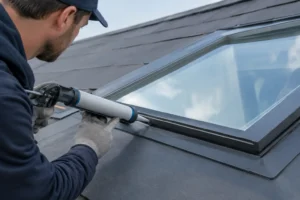
Even a very capable window system can disappoint if it is poorly installed. Gaps around the frame, inadequate sealing, incorrect packers or bad alignment can all create draughts and reduce thermal performance. This is one reason homeowners should look beyond the headline specification and think about the full process, from survey to installation.
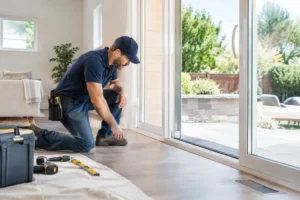
A window should be measured properly for the opening, installed square and sealed in a way that supports both weather resistance and insulation. Building Regulations compliance matters here, not just for legal reasons but because it sets the standard for performance and safety. A properly installed aluminium window should feel solid, operate smoothly and help eliminate the cold spots you often notice around ageing frames.
For customers managing their own project on a supply-only basis, accurate site measurements and a suitable specification become even more important. For those wanting a full installation service, using an experienced specialist gives added reassurance that the system will perform as intended once fitted.
Are aluminium windows efficient enough for older homes?
Usually, yes – but the right answer depends on the property. In a period home, the wall construction, existing insulation levels and room use all affect the benefit you will feel from new windows. Replacing tired single glazing or early double glazing with modern aluminium systems can make a clear difference to comfort and heat retention, but windows are only one part of the thermal envelope.
If the property has uninsulated walls, a draughty roof space or ageing doors, window replacement should be seen as part of a wider improvement plan. That does not reduce the value of the upgrade. It simply means expectations should be realistic. Good windows improve efficiency, but they do not solve every source of heat loss on their own.
In extensions and kitchen renovations, aluminium often makes even more sense. Newer spaces usually include larger glazed openings, and homeowners want slim frames that let in maximum light. Systems such as Smarts Alitherm 400 Windows are designed for exactly this balance – clean contemporary styling with thermal performance suited to modern residential requirements.
The trade-off between slim sightlines and thermal performance
Many homeowners choose aluminium for its refined look. The frames are slimmer than many alternatives, which means more glass and a cleaner finish. That design advantage is real, but it is fair to ask whether very slim profiles compromise efficiency.
The answer is that it depends on the system. Premium aluminium windows are engineered to deliver both aesthetics and insulation, but not every product on the market is equal. A very low-cost frame may look similar at first glance while using less advanced thermal technology or a weaker glazing specification. That is why comparing like for like is so important.
For some homeowners, the best route is not chasing the very lowest possible U-value. It is choosing a well-made aluminium system that gives strong thermal performance, reliable durability, better security and the style they actually want to live with for years. Energy efficiency matters, but so do sightlines, hardware quality, weather protection and long-term maintenance.
What to ask before you buy
When comparing quotes, ask for the whole-window U-value, not just the glass figure. Ask what type of thermal break is used, what glazing specification is included, and whether warm edge spacer bars and Low-E glass are standard. You should also check whether the product complies with current Building Regulations and whether installation is included or separate.
It is also worth asking how the windows are made to suit your home. Bespoke sizing, suitable opening configurations and the right finish for the property all influence the result. A good supplier should be able to explain performance in plain English, not hide behind jargon.
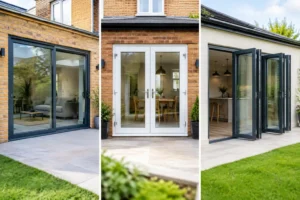
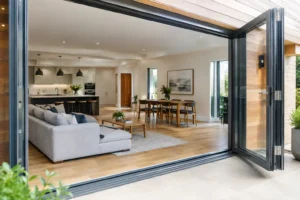
For homeowners also considering doors as part of the same renovation, consistency matters. Matching high-performance aluminium windows with well-specified sliding or bifold systems can improve comfort across the whole rear elevation while maintaining a cohesive look.
Modern aluminium windows have moved well beyond the old assumptions that metal frames are automatically cold or inefficient. With the right thermal break, quality glazing and proper installation, they can deliver impressive energy performance while keeping the slim, contemporary appearance that makes them such a strong choice for extensions, renovations and full-house upgrades. If you are weighing up style against efficiency, the good news is you no longer have to choose one at the expense of the other.