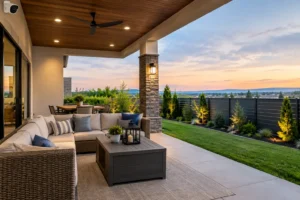
A new window colour can change the character of a property before anyone notices the glass. The strongest replacement window colour trends are not about following a short-lived fashion. They are about choosing a finish that works with your brickwork, roofline, interior style and the amount of natural light entering each room.
For UK homeowners replacing tired uPVC or timber frames, aluminium opens up a far broader choice of durable colours and finishes. A quality powder-coated finish gives aluminium windows a crisp, contemporary appearance while standing up well to rain, sunlight and everyday use. The right decision should still look considered years after your renovation is complete.
Replacement Window Colour Trends Shaping UK Homes
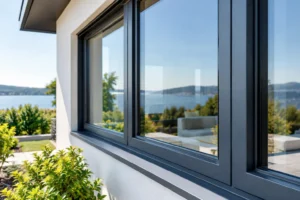
Anthracite grey remains a leading choice, but the way homeowners use it has evolved. Rather than automatically fitting dark grey to every elevation, many are considering the proportions of the property and using colour to create contrast where it adds value. A slim aluminium frame in a dark finish can give a bay window, kitchen extension or garden-facing opening real definition without making the glazing feel heavy.
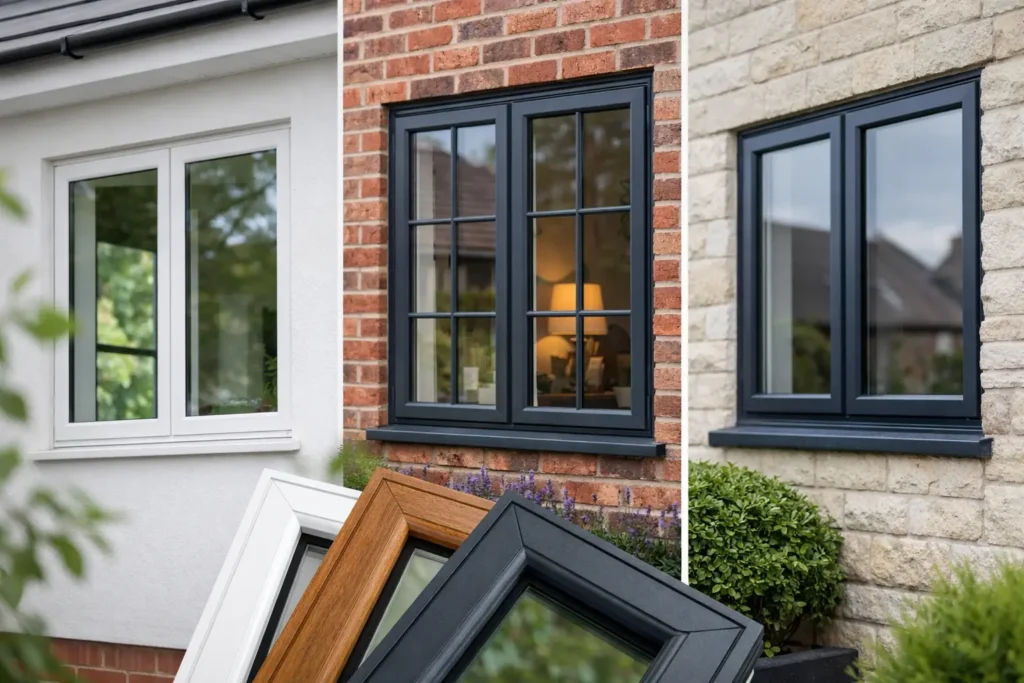
That said, softer colours are gaining ground. Warm greys, stone shades and muted taupes offer a contemporary alternative for homes where anthracite can appear too cool or severe. These tones sit particularly well against pale render, buff brick and natural stone. They also suit interiors that use timber, textured fabrics and warmer metal finishes, creating a more relaxed look than a stark monochrome scheme.
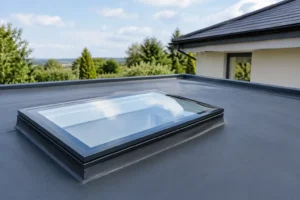
Black remains a confident architectural choice, especially for modern extensions and properties with large glazed openings. It gives replacement windows a clear outline and can tie together roof lanterns, sliding doors and bifold doors. The trade-off is that black frames are visually stronger. On a compact frontage or a north-facing room, they need enough glazing and daylight around them to avoid looking dominant.
White is far from outdated. Clean white aluminium windows remain a practical, light-reflecting choice for traditional homes, smaller rooms and properties where planning expectations favour a restrained appearance. The difference lies in the frame profile and finish. Slim, well-made aluminium windows in white look sharp and considered, rather than basic.
Earthy and heritage-inspired finishes
Green is becoming a more familiar sight on period properties and countryside homes. Deep olive, moss and muted sage shades can complement red brick, stone and established planting beautifully. They offer personality without the harsh contrast of black, although the exact shade matters. A green that looks refined against a sample board can appear very different beside a warm red brick or in bright south-facing light.
Heritage tones such as cream, off-white and soft grey also remain relevant where a property has traditional proportions. These colours do not have to mean compromising on performance. Modern aluminium systems combine a thermally broken frame with energy-efficient glazing, helping to retain warmth while providing a finish suited to the building.
Choose Colour With the Whole Exterior in Mind
Windows should not be selected in isolation. Start by looking at the permanent features you are unlikely to change: brick, stone, roof tiles, render, soffits and driveway materials. Then consider the front door, garage door and any existing aluminium glazing. A coordinated scheme does not mean every element must match exactly, but the undertones should feel compatible.
Cool anthracite grey usually works well with blue-grey slate, crisp white render and contemporary cladding. Warmer grey or bronze-based finishes are often more forgiving with yellow brick, sandstone and timber details. Black works across many settings, but looks best when it is repeated elsewhere, perhaps in a porch, lighting, guttering or garden room doors.
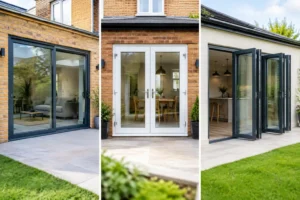
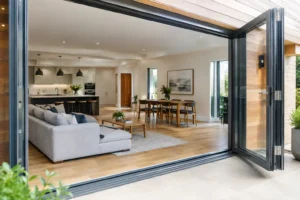
For rear extensions, look through the house as well as at it. If replacement windows sit beside Smarts Visofold 1000 Bifold Doors or large patio doors, matching the frame colour creates a more deliberate connection between the original house and the new space. This is especially effective in kitchens and living areas where the garden-facing elevation is designed around light and access.
Consider orientation and daylight
The same colour can look noticeably different on each side of a home. Direct sunlight can make dark frames appear sharper and warmer finishes look lighter. On a shaded north-facing elevation, very dark windows may look almost black for much of the day, while softer grey can retain more definition.
Ask to see physical colour samples outside, against your property, rather than choosing from a screen. View them in morning and afternoon light, and place the sample beside the brick or render where possible. This small step reduces the risk of choosing a colour that is technically attractive but wrong for the setting.
Dual Colours Give You More Design Freedom
One of the most useful options for replacement aluminium windows is a different colour inside and out. It allows you to respect the external appearance of the property while choosing an interior finish that suits the room.
For example, a homeowner may prefer a subtle external grey to complement the façade, paired with black or dark grey internally to define a contemporary kitchen extension. Alternatively, white inside can keep bedrooms and smaller reception rooms bright, even where a darker external finish gives the property a more modern kerb appeal.
Dual-colour windows can be particularly worthwhile in conservation-sensitive streets or on homes where planning requirements influence the exterior. Before committing, check whether local planning restrictions or conservation area guidance affects window material, sightlines or colour. Replacement windows do not always require planning permission, but rules can vary considerably by property and location.
Trend-Led Does Not Mean High Maintenance
Aluminium is a strong choice for coloured replacement windows because the finish is powder coated at the factory. Unlike painted timber, it does not need regular repainting to maintain its appearance. Occasional cleaning with mild soapy water and a soft cloth is usually enough to remove everyday dirt and keep frames looking their best.
This makes darker and more distinctive colours a realistic option for busy family homes. However, no finish is entirely maintenance-free. Darker frames can show dust, water marks and pollen more readily than mid-tone or white alternatives, particularly around garden-facing doors and windows. If low-maintenance appearance is your priority, a balanced grey or textured finish may be more forgiving than deep black.
Texture also affects the final look. A matt finish can feel understated and modern, reducing glare on sunlit elevations. A subtle textured coating adds depth and can disguise minor surface marks better than a completely smooth finish. The best option depends on the architecture of the house and the finish used on adjacent doors, roof lights and hardware.
Put Longevity Ahead of a Passing Fashion
A replacement window is a long-term investment, so it is sensible to separate a lasting preference from a momentary trend. The colours with the broadest staying power are usually those that respond to the home itself: white on a classic façade, balanced grey on a modernised semi, warm neutrals on stone or buff brick, and black where generous glazing supports it.
If you are drawn to a bolder colour, use it with intention. A distinctive green or deep bronze can make a home memorable, but it should suit the setting and be a finish you will be happy to see every day. Choosing a made-to-measure aluminium system, such as Smarts Alitherm 400 Windows, means colour can be considered alongside opening style, glazing specification, security and sightlines rather than treated as an afterthought.
A well-chosen frame colour does more than refresh a façade. It gives new windows a proper place in the design of your home, helping the light, glazing and architecture work together for years to come.