
A rear extension can look impressive on plans, yet still feel darker than expected once the roof goes on. That is usually the moment homeowners start paying close attention to glazing, and slim sliding doors quickly move to the top of the list. They do more than create an opening to the garden. They shape how much daylight reaches the room, how wide your view feels, and how contemporary the finished space looks.
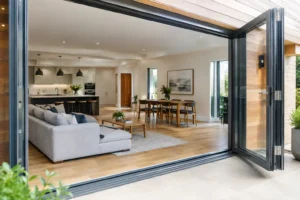
For many homes, the appeal is simple. You get large panes of glass, narrower visible frames, and a cleaner connection between indoors and out. In a kitchen diner, that can mean brighter worktops and a stronger sense of space. In a living room, it can change the whole feel of the rear elevation. The result is modern, but it is also practical when the system is chosen properly.
Why slim sliding doors are in such high demand
There has been a clear shift in what homeowners want from replacement patio doors and extension glazing. It is no longer just about having a door at the back of the house. People want more glass, better thermal performance, improved security, and a finish that complements modern renovations without looking bulky.
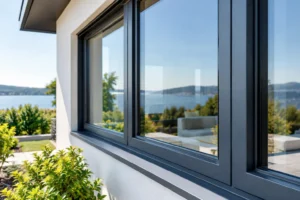
That is where slim sliding doors stand out. Because the sightlines are reduced, the glass does more of the visual work. Garden views feel less interrupted, and natural light can travel further into the room. This matters particularly in north-facing extensions or spaces with deep floorplans, where every bit of daylight helps.
They also suit the way many households now use their homes. Open-plan layouts benefit from broad glazed openings, but not everyone wants the stacked leaves of a bifold. A sliding system keeps the panels in line, which gives a simpler look and can be a better fit where furniture placement, everyday use, or personal preference make bifolds less appealing.
What makes slim sliding doors different?
The term is often used broadly, so it helps to be clear. Slim sliding doors are designed to reduce the amount of visible aluminium around each pane of glass, especially at the interlock where two sliding panels meet. The aim is to maximise the glazed area without compromising on structural integrity, weather resistance, or security.
That balance matters. Very slender sightlines can look excellent, but the door still needs to cope with daily use, UK weather, and the performance standards expected in a modern home. A well-specified aluminium system should feel solid in operation, lock securely, and contribute to the overall energy efficiency of the property.
This is why product choice should never come down to appearance alone. The best result usually comes from matching the door to the opening size, the location of the property, the glazing specification, and how the space will be used every day.
Choosing slim sliding doors for your home
Not every project needs the same type of sliding system. A compact opening in a standard rear wall has different demands from a wide-span extension with corner glazing or a garden room designed to make the most of the view. That is why bespoke sizing and configuration are so important.
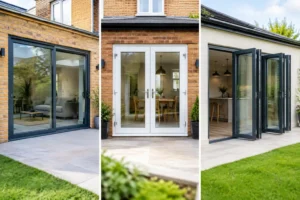
Panel arrangement is one of the first decisions to make. Two-panel doors are often the cleanest option visually and work well where you want a simple, generous opening. Three-panel and four-panel layouts can suit wider apertures, though the proportion of fixed and sliding panels will influence how the door works in practice.
Threshold choice is equally important. A low threshold can improve accessibility and strengthen the indoor-outdoor feel, particularly in family homes where the garden is used regularly. At the same time, threshold design needs to be considered alongside exposure and drainage. A flush look is attractive, but the site conditions still matter.
Colour and finish also affect the final result more than many people expect. Anthracite grey remains popular for contemporary schemes, but black, white, and bespoke RAL colours can all work well depending on the style of the property. On renovation projects, the right finish can bridge the gap between original features and a more modern extension.
Performance matters as much as appearance
Large areas of glass should not mean compromising on comfort. Good slim sliding doors need to help retain heat, reduce draughts, and support year-round use of the room. In practical terms, that means looking closely at the frame system, glazing specification, and installation quality rather than focusing on sightlines alone.
Aluminium is a strong material for this type of door because it allows slim frames without sacrificing durability. Modern thermally broken systems are designed to improve insulation levels while keeping the neat, contemporary appearance homeowners want. That makes them well suited to extensions, kitchen renovations, and replacement patio door projects where building regulations and long-term efficiency are part of the decision.
Security should also come as standard, not as an upgrade people only think about later. Multi-point locking, strong aluminium construction, quality hardware, and secure glazing all play a role. When a glazed opening is one of the largest access points in the house, reassurance on security is essential.
Popular systems and where they fit
There is no single best option for every property, which is why product range matters. Some homeowners want very minimal sightlines above all else. Others are more focused on budget, panel size, thermal values, or matching existing glazing.
Systems such as the Smarts Visoglide Plus sliding door offer a strong all-round solution for domestic projects, combining slim styling with dependable performance. For homeowners aiming for very large glazed sections and a distinctly architectural finish, the Cortizo COR Vision Sliding Door and Cortizo COR Vision Plus Sliding Door are often strong candidates. Schuco ASE60 Sliding Door and Schuco ASE80 Sliding Door systems can also suit projects where premium engineering and performance are high on the list.
The right choice depends on the opening, the design brief, and the expected level of specification. A narrower frame may be ideal visually, but if the property is particularly exposed or the opening is unusually wide, another system may offer a better overall fit. That is where specialist guidance saves time and avoids expensive compromises later.
Sliding doors or bifolds?
This is one of the most common questions, and the honest answer is that it depends on how you want the room to function. Slim sliding doors are often chosen for uninterrupted views and cleaner sightlines. When closed, they generally give you more glass and less frame than a bifold. They are an excellent choice if the priority is light, outlook, and a contemporary rear elevation.
Bifolds come into their own when the goal is to open up as much of the aperture as possible. In summer, that can be a major advantage. Products such as Smarts Visofold 1000 Bifold Doors and Cortizo Bifold Plus remain popular for exactly that reason.
The trade-off is straightforward. Sliding doors usually preserve the best view when shut, while bifolds usually create the largest clear opening when fully folded back. Neither is automatically better. It comes down to the way you live, the size of the opening, and what matters most in daily use.
The value of made-to-measure specification
A made-to-measure approach is what turns a good-looking door into the right door for the property. Dimensions, cill detail, opening direction, glazing, ironmongery and finish should all be considered together. This is especially important in refurbishment work, where floor levels, existing structural openings and surrounding materials are rarely as straightforward as they appear.
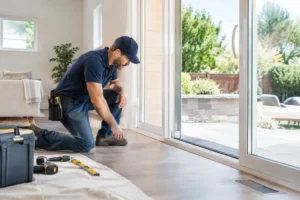
Homeowners also benefit from having options on how the project is delivered. Some want a full installation service with survey, fitting and final adjustments managed professionally. Others are experienced renovators or working with their own builder and prefer a supply-only route. Both can work well, provided the specification is accurate from the start.
That is where an experienced specialist adds real value. Smarts Bifold Doors works with homeowners across a wide range of glazing projects, helping match the product to the property rather than pushing a one-size-fits-all answer.
What to ask before you request a quote
Before moving ahead, it helps to think beyond the headline look of the door. Ask how slim the visible sightlines are in the actual configuration you want, not just in brochure images. Check what glazing is included, what the thermal performance is likely to be for the complete door, and what security features come as standard.
It is also worth asking about lead times, installation details, colour choices, and whether the proposed threshold is practical for your floor finish and external levels. These points may sound technical, but they directly affect how pleased you will be once the door is in place.
The best slim sliding doors do not just look impressive on day one. They continue to feel smooth, secure and right for the room long after the renovation is finished. If you are planning a brighter extension or upgrading tired patio doors, a carefully specified sliding system can make the whole space feel calmer, lighter and far more connected to the garden.