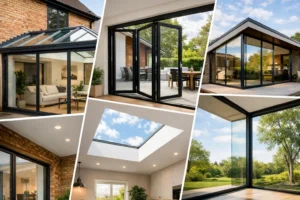
A replacement window can change far more than the view. The right design makes a room feel brighter, quieter and more comfortable through the seasons, while the wrong choice can leave you with bulky frames, disappointing insulation or a style that jars with the property. Knowing how to pick replacement windows starts with the opening itself – how it is used, how much light it receives and what you want the finished room to achieve.
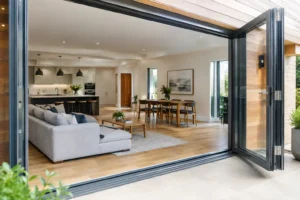
For a kitchen extension, you may prioritise slim aluminium frames and large panes of glass to complement bifold or sliding doors. For a front-facing bedroom, warmth, privacy and practical ventilation may come first. A good replacement window should suit the architecture of your home as well as your budget and daily routine.
Start with the room, not the frame
Before comparing materials and quotations, consider what is not working with the existing window. Is the room cold near the glass? Do you hear traffic noise? Is it difficult to open safely, or does it simply make an otherwise modern room feel dated? Clear priorities make the specification much easier to refine.
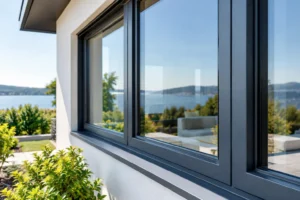
Light-focused spaces often benefit from aluminium windows because their inherent strength allows for slimmer sightlines than many alternative frame types. More glass can mean better views and a cleaner, contemporary finish, particularly where windows sit alongside large doors or roof glazing. A system such as Smarts Alitherm 400 Windows can be configured to create a coordinated look across an extension without making every opening look identical.
Do not assume that the largest possible pane is always the best answer. A very wide fixed window provides an uninterrupted view, but it does not ventilate. In a kitchen, bathroom or south-facing room, a combination of fixed panes and opening sections can give you both light and useful airflow.
How to pick replacement windows by opening style
The opening style affects ventilation, cleaning, security and the appearance inside and outside the property. Casement windows remain a popular choice because they are versatile, secure and suitable for most homes. They can be side-hung, top-hung or arranged in a combination of fixed and opening sashes.
Casement windows for everyday flexibility
Side-hung casements offer a familiar opening action and can provide generous ventilation. Top-hung designs are useful where you want fresh air without opening the window widely, making them a practical option for ground-floor rooms, bathrooms and spaces exposed to rain.
For a more architectural appearance, consider the sightlines as carefully as the opening method. Cortizo Casement Windows and Schuco AWS80SC Casement Windows are designed for homeowners who want a refined aluminium finish with strong thermal performance. The best configuration depends on the size of the aperture, the layout of the room and whether the window needs to match nearby doors.
Fixed panes where the view matters most
Fixed windows are often the most effective way to frame a garden, bring daylight deep into a room or create a feature beside patio doors. With no opening hardware interrupting the frame, they can offer a particularly minimal appearance. They work well in living rooms and extensions, but should normally be paired with opening windows or doors elsewhere in the room to maintain adequate ventilation.
Hidden sash designs for a cleaner facade
If you prefer the appearance of a flush glass line from outside, a hidden sash system may be worth considering. Cortizo Hidden Sash Windows conceal much of the opening sash behind the outer frame, creating a more uniform elevation. This is especially effective in contemporary extensions, although it may not be the natural choice for a period property where traditional proportions are more appropriate.
Choose the right frame material for the property
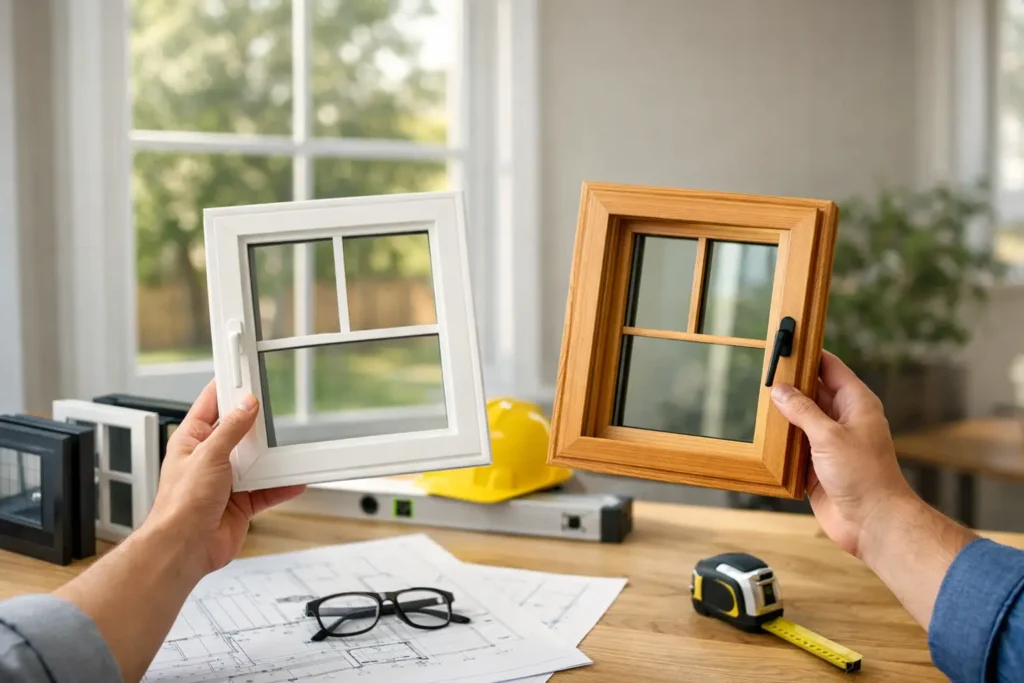
uPVC, timber and aluminium each have a place. The right choice is not simply a matter of cost; it is about the appearance you want, the scale of the glazing and the level of maintenance you are prepared to undertake.
uPVC is widely used and can be a cost-effective option, particularly for straightforward replacements. Its frames are generally thicker, however, which can reduce the glass area in larger openings. Timber offers warmth and traditional character, but it needs ongoing care to protect its finish from the British weather.
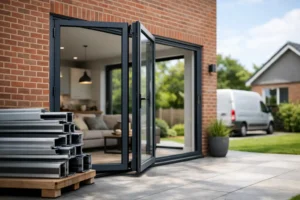
Aluminium is a strong option for modern homes, extensions and larger glazed areas. It is durable, low maintenance and available in a broad choice of powder-coated colours. Crucially, modern aluminium systems use a thermal break – an insulating barrier within the profile that reduces the transfer of heat through the frame. Combined with energy-efficient glazing, this helps aluminium windows deliver the thermal performance expected in a modern home.
A dark anthracite finish can create a striking contemporary contrast, but it is not the only choice. Softer greys, black, white and bespoke RAL colours can be selected to complement brickwork, render, existing doors or internal finishes. Consider the window from both sides: some homeowners choose a different internal and external colour to suit a traditional interior and a modern exterior.
Look beyond an energy label
Energy efficiency is one of the main reasons homeowners replace windows, but it is worth understanding what affects real-world comfort. The glass, spacer bars, seals, frame construction and quality of installation all play a part. A window can have good glazing on paper yet underperform if it is poorly fitted or if gaps around the reveal are not properly sealed.
Double glazing remains suitable for many replacement projects. It uses two panes separated by an insulating cavity, commonly filled with argon gas, and often includes a low-emissivity coating to reflect heat back into the room. Triple glazing can improve insulation and reduce external noise in some circumstances, but it adds weight and cost. It is most worthwhile where the property is particularly exposed, the room is hard to heat or the specification is designed around very low energy use.
Ask for the whole-window performance rather than focusing only on the centre of the glass. The frame matters. So does solar gain: large areas of glazing facing south or west can make an extension beautifully bright but uncomfortably warm without suitable glass specification, shading or ventilation. The best solution balances heat retention in winter with solar control in summer.
Make security part of the specification
A replacement window should feel reassuring as well as attractive. Look for quality locking points, secure hinges, lockable handles and toughened safety glass where required. Windows near doors, low-level glazing and certain bathroom locations may need safety glazing to meet Building Regulations.
Ground-floor and easily accessible windows deserve particular attention, but security should be consistent throughout the home. A well-made aluminium frame is strong by design, while modern hardware helps resist forced entry. Ask your supplier exactly what is included as standard rather than assuming every handle, hinge and lock offers the same level of protection.
For upper-floor rooms, think about safe opening as well. Restrictors can allow ventilation while limiting how far a sash opens, which is useful in homes with young children. They should be selected carefully so they do not prevent the escape or ventilation provisions required for that room.
Check compliance, surveying and installation
Replacement windows in England must meet current Building Regulations for thermal performance, ventilation, safety and, where relevant, fire escape. Requirements vary by property and opening, so a proper survey is essential. For example, replacing an existing escape window with a smaller opening sash may create a compliance issue even if the new unit looks better.
If you are using an installer, check that they can provide the appropriate certification or arrange Building Control approval. This paperwork matters when you come to sell the property. It also gives you confidence that the installation has been completed to the required standard.
Surveying is where a specialist identifies details that online measurements cannot reveal: lintels, drainage, cavity closers, internal reveals, exterior finishes and how the window will meet neighbouring doors or roof lights. Supply-only can be an excellent route for experienced renovators with a trusted installer, while a full installation service offers one point of responsibility from survey through to fitting.
Compare quotations on specification, not just price
Two quotations that look similar can cover very different products. Check the frame system, glass specification, opening configuration, colour finish, handles, trickle vents, cills, making-good work, waste removal and installation warranty. If one price is significantly lower, find out what has been omitted before making a decision.
Lead times also deserve a clear conversation. Bespoke aluminium windows are made to order, which is a major advantage for fit and appearance, but they need to be planned around plastering, roofing and other stages of an extension. Ordering too early can leave finished frames vulnerable on site; ordering too late can delay the next trade.
The strongest choice is rarely the cheapest window or the most elaborate one. It is the window that fits the opening properly, performs well in your home and supports the look you are trying to create. With a careful survey and a clear specification, replacement windows become a lasting improvement rather than another compromise in the renovation.