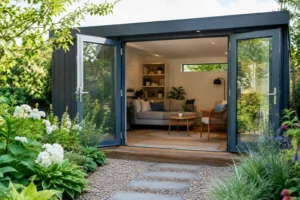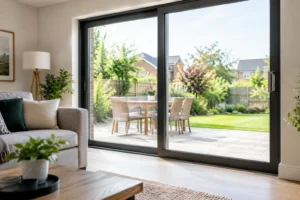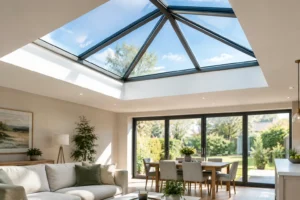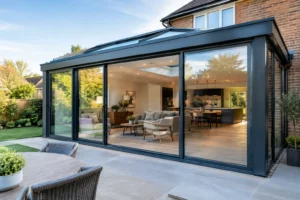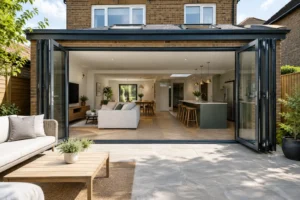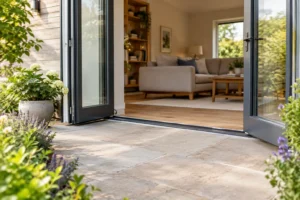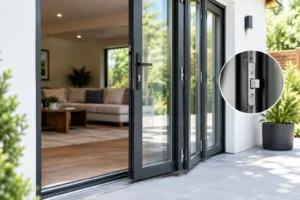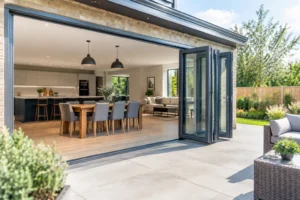
A tired white uPVC frame can make even a well-planned extension feel dated. By contrast, powder coated aluminium windows bring crisp lines, durable colour and larger areas of glass to the parts of your home where light matters most. They are a strong choice for kitchen extensions, garden rooms and whole-house window replacements, particularly where you want a contemporary finish without committing to a high-maintenance material.
The finish is only one part of the decision, however. Frame design, thermal breaks, glazing specification, opening style and professional installation all affect how your windows look and perform over time. Choosing the right combination means your investment should feel considered rather than simply fashionable.
What makes powder coated aluminium windows different?
Powder coating is a factory-applied finish, not a coat of ordinary wet paint. The aluminium profiles are prepared, covered with finely ground coloured powder and heated so the coating cures into a consistent, protective surface. This creates a hard-wearing finish that is well suited to exposed British weather.
For homeowners, the visible benefit is colour. Anthracite grey remains popular, but aluminium offers far more scope than a standard palette. You can specify black, white, softer heritage shades or a dual-colour arrangement, with one colour outside and another inside. A darker external frame can give an extension definition, while a lighter internal finish keeps the room calm and bright.
The practical benefit is durability. A quality powder coated finish is designed to resist peeling, fading and corrosion far better than a site-painted surface. It is particularly valuable on rear elevations with broad garden-facing glazing, where sun, rain and regular use place demands on every frame.
Slim frames, more glass and a sharper finish
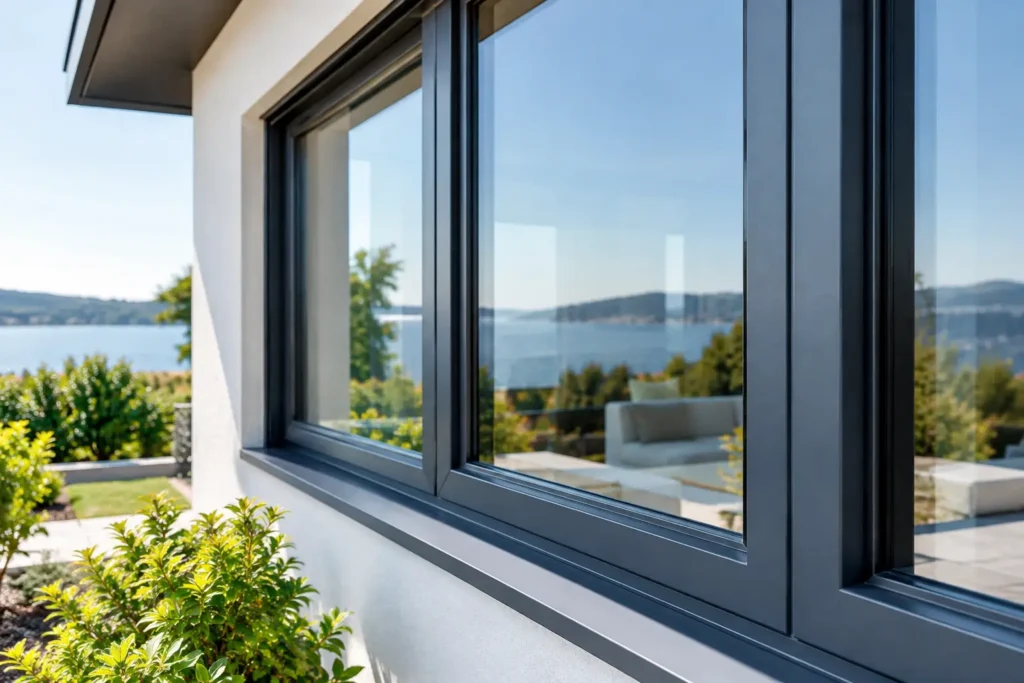
Aluminium has a high strength-to-weight ratio. That allows window systems to use comparatively slim profiles while still providing the structural support needed for larger glazed sections. The result is cleaner sightlines and less frame interrupting the view.
This is not just an architectural detail. In a kitchen or living space that opens onto the garden, an extra amount of visible glass can change how daylight moves through the room. Matching aluminium windows with bifold or sliding doors also creates a more coherent finish than mixing unrelated frame styles.
Window style still needs to suit the property. A flush or casement design can work beautifully on a modern renovation, while the proportions, glazing bars and colour of an aluminium window can be selected more carefully for a traditional home. Powder coating gives flexibility, but it should support the character of the building rather than overwhelm it.
Colour choices that stay relevant
Grey is a dependable choice because it works with brick, render, timber cladding and modern kitchen finishes. Black offers stronger contrast and can make slim frames appear even finer. White remains effective where you want the focus to remain on the view rather than the frame.
Before settling on a colour, look at it in natural light and alongside fixed elements such as roof tiles, brickwork, fascias and door furniture. Dark colours can absorb more heat in strong sunshine, while very pale finishes may show everyday marks more readily. Neither point makes a colour unsuitable, but it is worth choosing with the elevation and your maintenance expectations in mind.
Thermal performance depends on the complete window
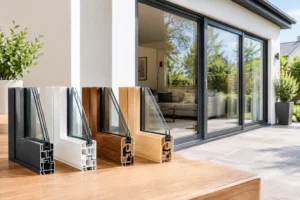
Older aluminium windows developed a poor reputation for feeling cold. Modern systems are very different. Well-specified aluminium windows use a thermal break – an insulating section between the inner and outer parts of the frame – to reduce heat transfer through the profile.
That thermal break must be paired with energy-efficient glazing. The glass unit, its low-emissivity coating, spacer bar, gas filling and the way the window is fitted all contribute to the final performance. A narrow frame can look impressive, but it should never be selected at the expense of a suitable thermal specification for the room and location.
Ask for the window’s overall performance, not just a claim about double glazing. Building Regulations requirements and the right specification can vary depending on the project, whether you are replacing existing windows or creating a new extension. A competent supplier can explain the options in plain English and make sure the chosen system is appropriate.
For projects where energy use and comfort are priorities, modern systems such as Smarts Alitherm 400 Windows combine thermally broken aluminium profiles with high-performance glazing options. Correctly specified, they help reduce draughts and cold spots while retaining the slim, modern appearance homeowners want.
Security should be part of the specification
A beautiful window is only useful if it also protects the home. Aluminium is naturally strong, and a quality system should be supported by secure locking, durable hinges and glazing beads positioned on the secure side of the frame. Opening windows need hardware that feels firm and positive in daily use, not loose or flimsy after a season of ventilation.
Consider how each window will be used. Ground-floor side and rear windows deserve particular attention, while first-floor windows may need restricted opening options for family safety. Easy-clean hinges can also be helpful where windows are difficult to reach from outside.
Security is not a single feature to add at the end. It is the combined result of the profile, glass, locks, installation and the care taken during survey. Bespoke manufacturing allows these details to be planned around your home rather than forced into a standard size.
Low maintenance does not mean no maintenance
One of aluminium’s strongest advantages is that it does not rot, swell or require regular repainting. For busy households, that can be a major improvement over timber frames. Powder coated finishes generally need only occasional cleaning with warm water, a mild detergent and a soft cloth.
Avoid abrasive pads, harsh solvents and strong alkaline cleaners, as these can damage the surface. Coastal or heavily polluted locations may need more frequent washing because salt and airborne deposits can build up on frames and hardware. Keep drainage channels clear, inspect seals periodically and use any moving hardware as intended.
Small surface marks can happen, especially around frequently used openings or during building work. Preventing damage is easier than repairing it, so protect frames while plastering, landscaping or fitting kitchens. If a frame is scratched, seek advice before using a touch-up product, as an ill-matched repair can be more noticeable than the original mark.
Getting the details right before you order
The best aluminium window is one that has been designed for its setting. Start with the size and arrangement of the openings, then consider sightlines, ventilation, privacy and how the windows relate to doors and roof glazing. A large fixed pane may maximise light and views, while opening casements are needed to provide practical ventilation.
Glazing should be selected with the orientation of the room in mind. South- and west-facing extensions can benefit from solar-control glass where overheating is a concern. Bathrooms and overlooked boundaries may call for obscured glass. Acoustic glazing can be worthwhile near busy roads, although it needs to be specified as part of the complete window design to deliver a meaningful improvement.
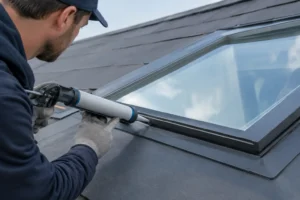
It is also sensible to decide early whether you need supply only or a full installation service. Accurate measuring, suitable trims, weatherproofing and finishing are essential to the final result. Even a premium frame can underperform if it is fitted poorly.
A considered upgrade for modern homes
Powder coated aluminium windows offer a convincing balance of appearance, strength and day-to-day practicality. They can brighten a modest kitchen, give a new extension a more refined edge or bring consistency to a home where doors, windows and roof glazing are being upgraded together.
The right choice is not simply the darkest grey frame or the slimmest available profile. It is a made-to-measure system with the right glass, secure hardware, thermal performance and finish for your home. A detailed quotation and professional advice at the planning stage will help turn a good-looking idea into windows that continue to perform year after year.