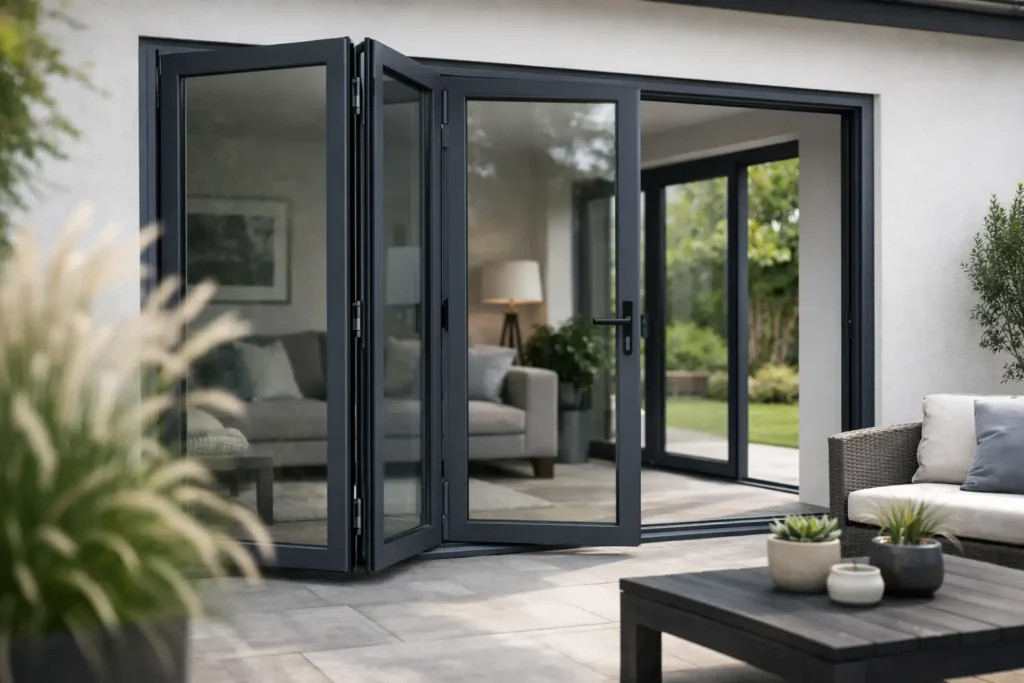
Choosing a bifold door colour sounds simple until you realise how much it affects the whole room. With bifold door colours anthracite grey remains the option most homeowners ask about, and for good reason. It gives aluminium doors a sharp, architectural look, works with a wide range of brickwork and render, and feels modern without looking too stark.
That popularity is not just down to fashion. Anthracite grey has staying power because it suits the way many British homes are being updated – rear extensions with more glass, open-plan kitchens, flatter rooflines and cleaner external finishes. If you want doors that feel current now but are unlikely to date quickly, it is usually one of the safest choices available.
Why bifold door colours anthracite grey stays popular
Anthracite grey sits in a very useful middle ground. It is darker and more defined than softer greys, but it is not as hard or high-contrast as black. That balance matters on bifold doors because the frame is always visible, both inside and out. You want a colour that gives the glass structure and presence, without making the room feel heavy.
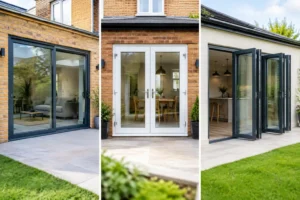
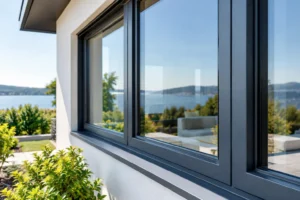
On the outside, anthracite grey works particularly well with buff brick, red brick, white render, timber cladding and darker contemporary finishes. It can make an older property feel more updated without forcing the whole house into a fully modern style. On newer homes and extensions, it often complements the rest of the glazing and roofline details, so the whole scheme feels more deliberate.
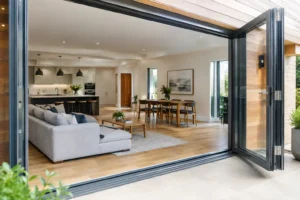
Inside the home, anthracite grey frames can help define garden-facing glazing in kitchens, dining spaces and family rooms. White frames can sometimes fade into the background, which suits some interiors. Anthracite grey does the opposite. It gives the opening more presence and can make the doors feel like a considered design feature rather than just a practical access point.
What anthracite grey actually looks like
Not every homeowner pictures exactly the same thing when they ask for anthracite grey. In most cases, they mean RAL 7016, which is the shade commonly associated with contemporary aluminium windows and doors. It is a deep grey with cool undertones, but the final look still depends on light levels, finish and surrounding materials.
In bright sunlight, anthracite grey can appear slightly softer and flatter. On duller days, it looks richer and more dramatic. That is worth knowing if your extension faces north or gets limited natural light. A dark frame can look excellent in a bright south-facing kitchen, but in a lower-light space you may want to think more carefully about the overall interior palette.
Finish also plays a part. A matt or satin powder-coated finish tends to look more refined and more forgiving than anything too glossy. It also suits the clean lines of aluminium bifold systems such as Smarts Visofold 1000 Bifold Doors or Schuco ASFD75 Bifold doors, where the aim is usually a crisp, contemporary appearance.
Where anthracite grey works best
This colour is particularly effective when the rest of the project already leans modern. If you are adding a rear extension with roof glazing, slim aluminium frames and large-format flooring, anthracite grey usually fits naturally. It pairs well with white plastered walls, pale stone, timber kitchens, black ironmongery and concrete-effect finishes.
It is also a strong choice for transitional homes – properties that mix period character with newer glazing. In that setting, anthracite grey can bridge old and new surprisingly well. Original brickwork or traditional garden walls still sit comfortably alongside it, but the doors themselves look clean and current.
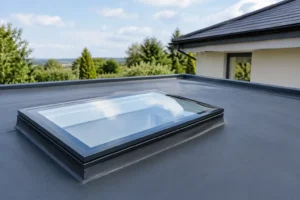
The strongest results usually come when the colour is repeated elsewhere. That might be in window frames, lantern frames, fascias, external lights or hardware details. You do not need everything to match exactly, but some continuity helps the glazing look intentional rather than dropped in as a standalone feature.
When anthracite grey may not be the best option
The right choice depends on the property, not just the trend. Anthracite grey is versatile, but it is not automatically right for every home. In a cottage-style property with softer architectural details, a very dark frame can look a little too sharp unless the rest of the scheme supports it.
It can also feel heavy in smaller rooms where the door opening is not especially wide and the interior gets less daylight. Aluminium bifolds are designed with slim frames, which helps, but colour still affects visual weight. If you want the lightest possible appearance from the inside, a lighter grey or a dual-colour option may suit you better.
There is also the question of future updates. Anthracite grey is easier to style than many bold colours, but it still has a defined look. If you expect to change flooring, cabinetry or décor significantly over time, think about whether you want the doors to stand out or sit more quietly in the background.
Internal and external colour choices
One of the advantages of aluminium is flexibility. You are not always limited to a single finish on both sides. If you like the external appearance of anthracite grey but want a brighter interior, dual-colour bifold doors can be a smart solution.
For example, anthracite grey outside with white inside gives you the contemporary kerb appeal many homeowners want while keeping the room lighter and softer internally. That can be especially useful in kitchens where cabinetry, walls and ceilings are all designed around a brighter palette.
If you prefer a stronger interior statement, anthracite grey on both sides can look excellent. This tends to work best in larger open-plan rooms where there is enough natural light and enough wall space to balance the darker frame colour.
How anthracite grey compares with black, white and other greys
Black bifold doors deliver maximum contrast and can look striking, but they are less forgiving. They can dominate a smaller opening and often feel more overtly contemporary. Anthracite grey offers a similar depth with a slightly softer, more adaptable finish.
White remains a practical choice and suits many traditional homes, but it rarely gives aluminium bifold doors the same premium, architectural feel. If your aim is to modernise the rear of the property, anthracite grey generally creates more impact.
Lighter greys can work well in Scandinavian-style interiors or on homes where a softer exterior palette is important. The trade-off is definition. They do not frame the glass as strongly, so the doors may feel less visually grounded. For many homeowners, anthracite grey lands in the sweet spot between softness and presence.
Beyond appearance: performance still matters
Colour often starts the conversation, but it should not be the only deciding factor. The best bifold doors combine the right finish with a well-engineered aluminium system, strong security and dependable thermal performance.
That matters because a beautiful set of doors still needs to perform properly through winter, cope with regular use and meet current standards. Aluminium systems with a thermal break and energy-efficient glazing are designed to help reduce heat loss while still allowing large glazed areas. For homeowners comparing options, it is worth looking at the full package rather than choosing on colour alone.
The same applies to practical details such as threshold choice, panel configuration, hardware finish and opening direction. Anthracite grey may be the headline decision, but the everyday experience of using the doors comes from the specification behind it. A well-made product such as Smarts Visofold 6000 Bifold Doors or Origin OB49 Bifold Doors can offer both the finish you want and the performance expected from a long-term home improvement.
Getting the look right across the whole opening
If you are planning more than just bifolds, think about how anthracite grey will work with neighbouring products. Sliding doors, roof lanterns and windows in a similar tone can create a coherent, well-finished result. That is particularly valuable in extension projects where multiple glazed elements are visible together.
For example, anthracite grey bifolds can sit comfortably alongside Smarts Alitherm 400 Windows or a contemporary roof lantern, helping the new space feel designed as one scheme. Matching exactly is not always essential, but clashing tones are best avoided. Powder-coated aluminium tends to give you the consistency needed for a more polished finish.
A sensible choice for long-term value
There is a reason anthracite grey continues to dominate discussions around aluminium bifolds. It looks smart, suits a broad range of properties and supports the clean, modern lines that make glazed extensions and garden rooms so appealing. It also tends to appeal to future buyers, which matters if you are improving your home with resale in mind.
That said, the best choice is always the one that fits your property, your light levels and the way you want the room to feel every day. Anthracite grey is often the front-runner because it gets that balance right more often than most. If you are choosing bespoke bifold doors, treat colour as part of the wider design rather than a last-minute finish, and the result will feel better for years rather than just for the first impression.