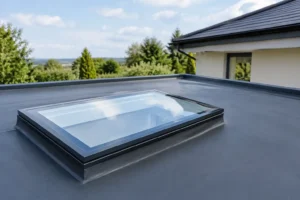

A rooflight can transform a once-dark kitchen extension into the brightest room in the house. But when midday sun hits the glass, that same feature can create glare on worktops, make a south-facing room uncomfortably warm or wake you earlier than planned. So, do rooflights need blinds? Not always – but the right blind can make a significant difference to comfort, privacy and how easily you control the space.
The best answer depends on the rooflight’s position, size, glazing specification and the way you use the room. Blinds should be treated as a considered finishing choice, rather than an automatic extra or a last-minute fix for poor design.
Do rooflights need blinds in every home?
No. A well-specified rooflight with modern energy-efficient glazing can work beautifully without blinds, particularly where it faces north, sits in a room used mainly during the day or brings balanced light into a shaded location. Quality aluminium rooflights and roof lanterns use thermally broken frames and high-performance sealed units to help reduce heat loss in colder weather and limit excessive solar gain.
That said, glazing is not the same as adjustable shading. Even excellent glass cannot give you the option to darken a room for a film, soften low evening sun or create privacy after dark. Blinds provide that control when you need it.
For many UK homeowners, the question is not whether blinds are essential, but whether the benefits justify including them in the budget from the outset. In a kitchen-diner, orangery or bedroom conversion, the answer is often yes. In a small utility room or a naturally shaded rear extension, perhaps not.
When rooflight blinds are worth considering
The room gets strong direct sunlight
Orientation is the starting point. South-facing and west-facing rooflights receive the strongest direct sun, especially from late spring through to early autumn. This can be welcome on a cool day, but a large expanse of overhead glass may produce intense heat and glare at the times you most want to use the room.
A blind gives you a practical way to filter the light without closing off the garden-facing doors or windows below. This is particularly useful in open-plan extensions with wide aluminium glazing, where sunlight can reflect from pale floors, kitchen worktops and screens.
East-facing rooflights can create a different issue: early morning brightness. If the room is used as a bedroom, nursery or occasional guest room, blackout or dim-out blinds can be a sensible investment.
You need better glare control
Glare is often more noticeable than heat. It can make a dining table uncomfortable at certain times of day, wash out a television screen or make it difficult to work from a laptop in a kitchen extension.
Solar-control glass can reduce some of this effect, but it cannot be adjusted. A manually operated or electrically controlled blind lets you respond as the light changes. Pleated and cellular fabrics are popular because they soften daylight rather than making the room feel closed in.
Privacy matters after dark
Rooflights are generally less exposed than vertical windows, particularly on a single-storey rear extension. However, neighbouring first-floor windows, taller properties and overlooked gardens can change that. At night, an illuminated extension can be visible from above in a way homeowners do not always anticipate during the design stage.
Blinds offer reassurance where a rooflight is overlooked, and they can make a living space feel more enclosed and relaxing in the evening. For bathrooms and bedrooms, privacy should be considered before installation rather than added later as a compromise.
The room is difficult to keep comfortable
If your extension has a large roof lantern or several flat rooflights, adjustable shading can help maintain a more consistent feel through the day. It will not replace proper ventilation, solar-control glazing or a correctly designed heating system. It can, however, reduce the intensity of sunlight entering the room and lower the demand on fans or air conditioning during hot spells.
Cellular blinds can also create an insulating layer at the glass in winter. The benefit should not be overstated – the rooflight’s glazing and installation quality remain the main factors in thermal performance – but every layer of control can help in a heavily glazed room.
When you may not need blinds
Rooflights do not have to be covered simply because blinds are available. One of the main reasons for choosing overhead glazing is to bring in clean, natural light and make an extension feel taller and more open.
You may decide against blinds where the rooflight is modest in size, positioned away from direct sun or fitted in a room where light is always welcome. North-facing rooflights can often remain uncovered, as they provide consistent, softer daylight with limited solar gain.
It may also be unnecessary to add blinds if your design already includes external shading, deep roof overhangs or trees that provide appropriate seasonal cover. Be careful with permanent shading, though. A feature that blocks harsh summer sun may also reduce valuable daylight during darker months.
For homeowners who prefer the cleanest possible architectural finish, it is worth discussing glass specification before ordering. Solar-control glazing may be more suitable than blinds where heat reduction is the priority and you do not need the flexibility of opening and closing a covering.
Choosing the right blind for a rooflight
The blind needs to suit both the rooflight system and the way the space is used. A made-to-measure solution is usually the best choice, as it follows the dimensions and shape of the unit precisely, minimising light gaps and keeping the finished appearance neat.
Manual blinds can be an effective, cost-conscious choice for smaller or lower-level rooflights. A telescopic pole may be used for units that are out of reach, although this is less convenient if you expect to adjust the blind regularly.
For high-level rooflights, larger roof lanterns or multiple units, electric blinds are usually the more practical option. They can be operated by remote control, wall switch or smart-home controls, depending on the system. This makes it far easier to respond to changing sunlight, especially in a busy family kitchen where comfort can change quickly throughout the day.
Fabric is equally important. Light-filtering fabrics reduce glare while retaining a bright feel. Dim-out options provide stronger shading but may still allow a little light around the edges. Blackout blinds are most useful in bedrooms, but check how the product is fitted before expecting complete darkness from an overhead installation.
Colour should complement the interior, but performance comes first. Pale fabrics often maintain a lighter feel, while reflective or specialised solar fabrics may offer better heat and glare management. Ask to see the available fabric options alongside the rooflight frame colour so the finished installation feels intentional.
Blinds, ventilation and Building Regulations
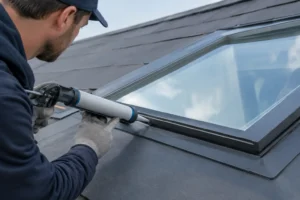
Blinds do not normally affect whether a rooflight meets Building Regulations. Compliance depends on factors such as the rooflight’s thermal performance, safety glass where required, structural opening and installation. However, blinds should not obstruct opening vents, trickle ventilation or access for cleaning and maintenance.
If the rooflight is designed to open for purge ventilation, choose a blind system that remains clear of the opening mechanism and can be safely operated. In a kitchen or bathroom, effective ventilation matters just as much as solar control. Condensation is better addressed through appropriate airflow, heating and glazing specification than by keeping a blind closed.
It is also wise to plan electrical connections early if you want powered blinds. Retrofitting a wired system after plastering and decorating can add unnecessary disruption. Battery-powered or solar-powered options may be available for some systems, but suitability depends on the rooflight and installation position.
Plan blinds alongside the rooflight, not after it
The best time to decide is while selecting your rooflight or roof lantern. This allows you to compare glazing, frame finish, blind type and control method as one complete package. It also prevents a beautifully proportioned rooflight from being fitted with a generic blind that does not sit correctly or perform as expected.
At Smarts Bifold Doors, the focus is on helping homeowners create bright, comfortable spaces with bespoke aluminium glazing that performs throughout the year. Whether blinds are required will come down to the details of your room, rather than a one-size-fits-all rule.
A rooflight should bring daylight without taking control of the room. If sunlight, privacy or overheating could limit how you enjoy the space, include shading in the early design conversation. If not, leave the glass clear and enjoy the light it was chosen to bring.