A replacement window can look superb in a showroom yet feel disappointing at home if the glazing has not been specified for the room, elevation and way you live. This replacement windows glazing options guide focuses on the choices that make a practical difference: warmth by the window, summer comfort, quieter rooms, privacy, security and the amount of daylight entering your home.
For a kitchen extension facing the garden, you may prioritise clear views and solar control. For a front bedroom on a busy road, acoustic performance and privacy may matter more. The right answer is rarely just “the best glass” – it is the right insulated glass unit within a well-made, thermally efficient window system.
How replacement window glazing is built
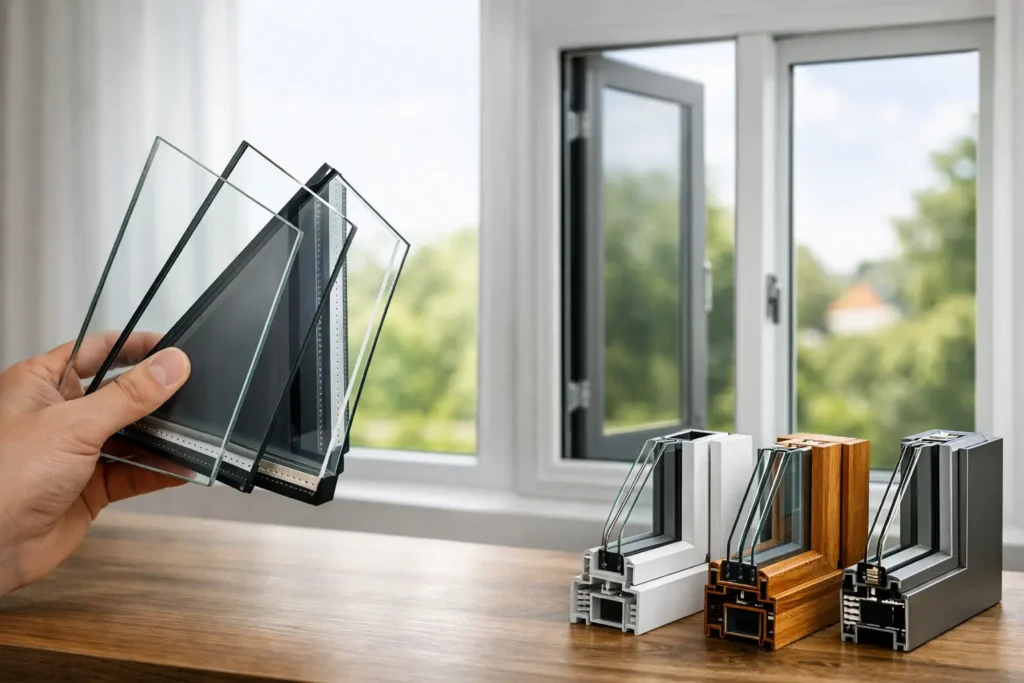
Modern replacement windows normally use sealed double-glazed or triple-glazed units. These units contain two or three panes of glass separated by carefully sized cavities. The cavity is filled with air or, more commonly, an insulating gas such as argon. A perimeter spacer holds the panes apart and seals the unit.
Each element affects performance. Glass coatings help retain heat, the gas-filled cavity reduces heat transfer, and a warm-edge spacer limits cold bridging around the perimeter. The frame is equally significant. Aluminium windows such as Smarts Alitherm 400 Windows use a thermal break to separate the inside and outside sections of the frame, helping the complete window achieve strong thermal performance.
When comparing quotations, ask about the whole-window U-value rather than judging the glass in isolation. The whole-window figure takes account of the glazing, frame and spacer, giving a more realistic picture of how the finished product will perform.
Replacement windows glazing options: double or triple?
Double glazing remains an excellent choice for many UK homes. It provides a major improvement over older single glazing, works well in most standard replacement projects and can allow relatively slim, elegant sightlines. With a low-emissivity coating, argon fill and a quality frame, it can deliver very good comfort and energy efficiency.
Triple glazing adds a third pane and a second insulating cavity. It can reduce heat loss further and may improve acoustic performance, although sound reduction depends on the full glass specification rather than the number of panes alone. It is often worth considering for exposed sites, colder rooms, large north-facing elevations or homeowners aiming for particularly high thermal performance.
There are trade-offs. Triple-glazed units are heavier and can be thicker, which may influence the frame system, opening sizes and cost. Depending on the specification, they can also admit slightly less solar heat and daylight than a comparable double-glazed unit. That is not automatically a disadvantage, but it is a reason to specify glazing by room rather than applying one option everywhere.
For most renovation projects, a high-performance double-glazed aluminium window is a strong, balanced solution. Triple glazing should be selected where its additional benefits suit the property and budget, not simply because three panes sound better than two.
Low-E glass and gas filling
Low-emissivity, or low-E, glass has a transparent microscopic coating that reflects heat back into the room while allowing useful daylight through. It is a standard feature in efficient modern glazing and one of the most valuable upgrades for everyday comfort. Rooms feel less cold near the glass during winter, while heating has less work to do.
Argon gas is commonly used between panes because it insulates better than ordinary air. It is invisible and maintenance-free, but it contributes to the performance of the sealed unit rather than changing how the window looks. Krypton can be used in specialist narrow cavities, although it is typically a higher-cost option and is not necessary for every home.
Warm-edge spacer bars are another detail worth checking. Older metallic spacers can create a colder band at the edge of the glass. Modern warm-edge designs improve the thermal edge of the unit and can help reduce the likelihood of internal condensation around the perimeter.
Choose glass for sunlight, noise and privacy
A south- or west-facing room with large areas of glazing may benefit from solar-control glass. This type of glass reduces the amount of solar energy passing into the room, helping to limit overheating and glare. It is particularly useful in glazed extensions, home offices and living areas where afternoon sun can make the space uncomfortable.
Solar control involves a compromise. Stronger solar-control coatings can slightly alter the appearance of the glass and reduce visible light transmission. For a shaded north-facing room, a high solar-control specification may be unnecessary and could make the room feel less bright. Your window design should consider orientation, rooflights, external shading and how much direct sunlight the room receives.
Acoustic glazing can make a noticeable difference where traffic, rail lines, aircraft or busy neighbourhoods affect comfort. The most effective acoustic units usually use panes of different thicknesses, sometimes with acoustic laminated glass. Using varied thicknesses helps disrupt a wider range of sound frequencies. A larger cavity can help too, provided the window system is designed to accommodate it.
Do not overlook installation quality when tackling noise. Sound can pass through poorly sealed frames, trickle vents and gaps around the opening. A carefully specified acoustic unit needs equally careful fitting to deliver its potential.
For overlooked bathrooms, street-facing rooms or side elevations, obscured glass gives privacy without blocking daylight. Popular choices include satin, textured or patterned finishes. Consider the level of obscurity carefully: a bathroom may need a higher privacy rating than a landing window, while a home office may benefit from a lighter finish that keeps the view of the sky.
Safety and security glazing
Certain locations require safety glass under Building Regulations, including glazing in or near doors and low-level glazing where someone could fall against it. Toughened glass is heat-treated so that, if broken, it fragments into small pieces. Laminated glass contains an interlayer that helps hold the pane together if it breaks.
Laminated glazing can be a sensible choice for accessible ground-floor windows and vulnerable areas, adding a further barrier against forced entry. It may also assist with noise reduction and UV filtering depending on the interlayer. The right specification depends on the window position and risk, so a survey should identify where safety glass is required rather than treating it as an optional extra.
Security is not solely about glass. Locking points, hinge protection, frame strength and professional installation all contribute to a secure replacement window. A quality aluminium system combines durable sections with secure hardware, while the glazing is specified to suit the opening and its location.
Appearance matters, but so does consistency
Glass is not completely neutral. Some coatings create a subtle tint or a faint reflective quality, particularly in certain light conditions. If replacement windows sit beside existing doors, roof lanterns or fixed glazing, compare samples so the finished elevations feel consistent.
You may also choose decorative glazing, integral blinds or feature bars for a particular architectural style. These can add character, but they should not distract from the key decisions on energy efficiency, safety and ventilation. In many contemporary homes, clean clear glazing paired with slim aluminium frames delivers the light, refined finish homeowners are looking for.
Condensation deserves a realistic expectation. Efficient glazing raises the temperature of the internal glass surface and reduces the risk of condensation inside the home, but it cannot cure excess moisture or inadequate ventilation. Condensation on the outside of highly efficient glass can occasionally occur on cool, clear mornings. It is usually a sign that the outer pane is insulating well, rather than a fault.
What to confirm before ordering replacement windows
Before approving a quotation, establish whether the stated U-value is for the complete window, whether the units are double or triple glazed, and which coating, gas fill and spacer bar are included. Confirm safety-glass locations, opening sizes, ventilation requirements and whether solar-control or acoustic glass is recommended for individual elevations.
It is also worth discussing frame colour and glass appearance together. Dark aluminium frames can create a crisp architectural contrast, while lighter finishes can soften a traditional elevation. Either approach works best when the glazing specification supports the comfort and performance you expect from the investment.
At Smarts Bifold Doors, replacement windows can be tailored around the property rather than supplied as a one-size-fits-all package, with nationwide supply and installation options available. A detailed conversation before manufacture gives you the confidence that the glass will suit the room long after the first impression of new windows has worn off.
Choose glazing around the moments that matter in your home: a warm seat beside the window in January, a cooler kitchen on a bright afternoon, a quieter night’s sleep and a clear, secure view of the garden every day.