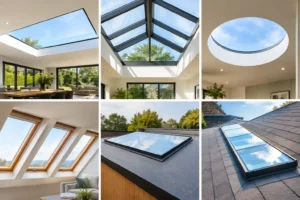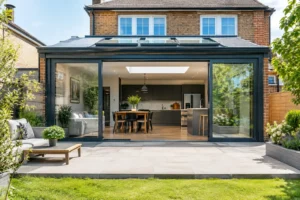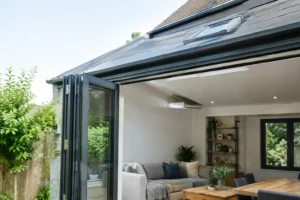
A rooflight can do far more than brighten an extension. Its shape changes how daylight travels through the room, where it falls, and how the finished space feels from the garden, kitchen or dining area. Choosing the best rooflight shapes for extensions is therefore not simply a design choice. It needs to work with the size of your roof, the layout below it and the way you plan to use the room every day.
For most UK extensions, a carefully sized rectangular or square flat rooflight gives the cleanest result. A roof lantern can make a stronger architectural statement where there is enough ceiling height and roof area to support it. The right answer depends on the space, rather than following a one-size-fits-all trend.
Why rooflight shape matters in an extension
Extensions often sit behind the original house, where side windows may be limited by boundaries and the new room can be shaded by the existing property. A rooflight brings daylight from above, helping it reach the centre of a kitchen, dining space or family room.
Shape affects both the spread of light and the visual balance of the ceiling. A long, narrow rooflight can draw light deep into a galley-style extension. A centred square design can make a compact room feel ordered and open. Larger roof lanterns create height and a focal point, particularly over a dining table or kitchen island.
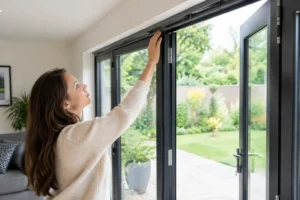
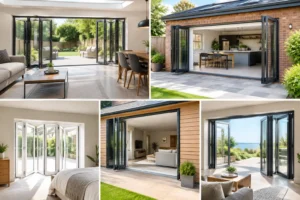
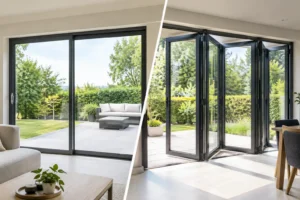
It is also worth looking at the rooflight alongside your rear glazing. Slim aluminium bifold doors or sliding doors can frame the garden view at eye level, while a rooflight brings in overhead light. Together, they make the room feel more connected to the outdoors without relying on artificial lighting for much of the day.
Rectangular rooflights: the most versatile choice
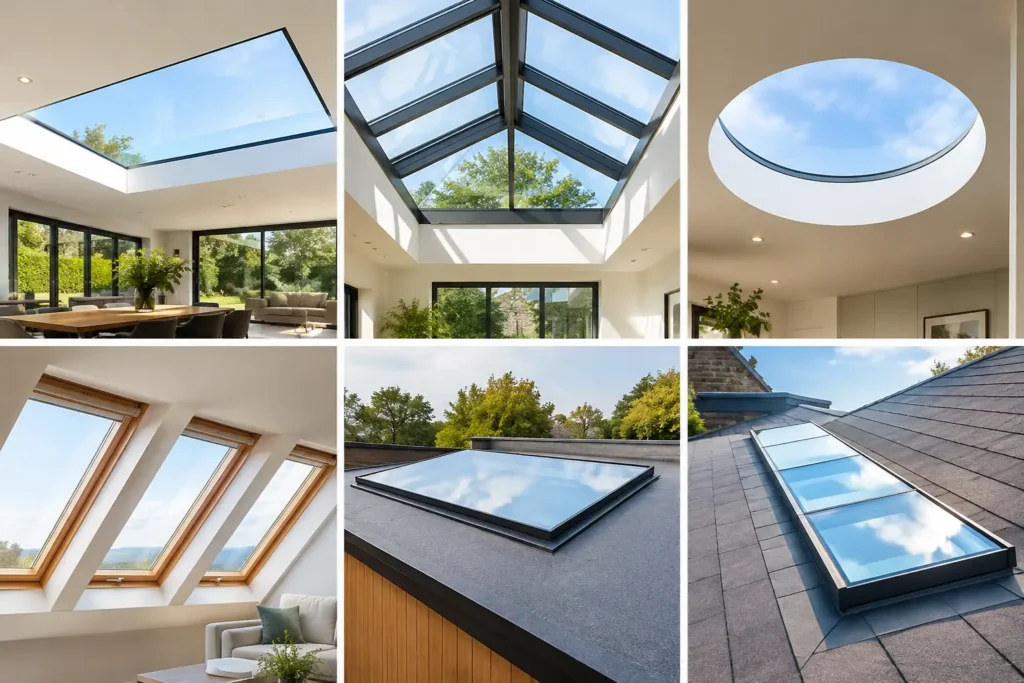
Rectangular flat rooflights are often the best rooflight shape for extensions because they suit the proportions of most rear additions. Whether your extension is narrow, wide or L-shaped, a rectangle can be sized and positioned to follow the room rather than forcing the layout around it.
In a long kitchen extension, placing a rectangular rooflight lengthways helps pull daylight further back towards the original house. This is particularly effective above a kitchen island, where it provides strong natural light over a practical working area without taking attention away from the garden-facing doors.
A wider rectangular rooflight works well in open-plan kitchen-diners. It can sit above the point where the kitchen becomes the dining or seating area, visually separating zones while keeping the ceiling calm and uncluttered. For a contemporary finish, a low-profile flat rooflight with a slim aluminium frame is usually the preferred option.
The main consideration is scale. A very large single pane creates a dramatic view of the sky, but it must be specified with suitable glazing and support. The roof structure, opening size and thermal performance all need to be considered before settling on dimensions.
When two rectangular rooflights work better
Two matching rectangular rooflights can be more effective than one oversized unit. They provide balanced daylight across a broad extension and can align neatly with a pair of door sets, a central island or separate kitchen and dining zones.
This approach is especially useful where structural beams are needed within the roof. Instead of treating the beam as a compromise, the rooflights can be positioned either side of it to create a deliberate, symmetrical design.
Square rooflights: ideal for balanced layouts
Square rooflights are a strong choice for smaller extensions, square rooms and spaces with a clear central feature. They are often used above a breakfast table, dining table or compact kitchen island, where their neat proportions complement the layout below.
A single square rooflight can bring a focused pool of daylight into the heart of the room. It works well when you want a minimal ceiling detail and do not need to light a long, deep floorplan. In a modest rear extension, this can feel more considered than fitting a long rooflight simply because it is a popular format.
Pairs or grids of square rooflights also suit contemporary extensions. For example, two square units above a kitchen and dining area can create rhythm across a wider ceiling. This option can look particularly effective when paired with aluminium doors in matching frame colours, such as anthracite grey, black or a bespoke finish.
Square units do have limits. In a narrow extension, they may leave darker areas at either end of the room. In that setting, a rectangular design is usually the more practical choice.
Roof lanterns: best for height and architectural impact
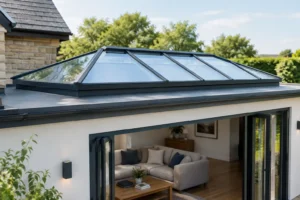
A roof lantern is not a flat rooflight, but it remains a popular overhead glazing option for extensions with a flat roof. Its raised, pitched form introduces volume above the ceiling line and can make a room feel taller, lighter and more formal.
Roof lanterns are especially well suited to larger kitchen extensions, orangery-style spaces and rooms with generous ceiling heights. They are often centred over a dining table or seating area, where the lantern becomes a feature rather than just a source of light.
The trade-off is that a lantern has a stronger visual presence. In a low-ceilinged extension or a small room, it can feel oversized and interrupt the clean lines of a modern design. A flat rooflight will often provide more discreet daylight and a clearer view of the sky.
Thermal performance matters here too. Quality aluminium roof lanterns use thermally broken frames and energy-efficient glazing to help reduce heat loss. The glass specification should also be considered for solar control, particularly on south- or west-facing roofs where the room may receive intense afternoon sun.
Circular and shaped rooflights: use them with purpose
Round, triangular and other bespoke rooflight shapes can create a memorable architectural detail, but they are rarely the most practical starting point for a standard extension. They tend to suit individual design features, such as a stairwell, vaulted ceiling or an extension with an unusual roof form.
A circular rooflight can soften a scheme that has lots of straight lines and aluminium framing. Triangular glazing can complement a pitched or angled roof. However, bespoke shapes are generally more complex to manufacture, install and weather correctly, which can increase the overall cost.
For most homeowners, rectangular and square rooflights offer the best balance of design flexibility, glazing area and value. A bespoke shape is most worthwhile when it clearly responds to the architecture rather than being added purely for novelty.
Choose the shape around the room below
The most successful rooflight designs begin with the floor plan. Think about where you prepare food, eat, relax and move through the room. The rooflight should light these activities without creating glare in the places where you sit most often.
A long rooflight above a run of kitchen units may be less useful than one above the island or dining table. Similarly, a large lantern in the middle of an extension can look impressive, but it may be excessive if the main requirement is to brighten a dark rear section near the original house.
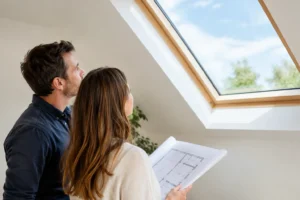
Consider sightlines as well. From inside, you may want the rooflight to align with the rear doors, the island or a statement pendant light. From outside, the roof profile should remain proportionate and not overwhelm the original property. Your designer or installer can assess the roof structure early, including any steelwork, drainage falls and opening sizes that could influence the final layout.
Glazing specification is as important as shape
Even the right shape will underperform if the glazing is poorly specified. Roof glazing should be designed to provide safety, weather resistance and reliable thermal performance. Toughened or laminated safety glass is typically required, while solar-control coatings can help manage overheating in sun-facing extensions.
For rooms that become warm quickly, a solar-control glass option can reduce the intensity of direct sunlight while still allowing generous natural light. Where privacy is a concern from neighbouring upper windows, obscured glazing or a more carefully positioned rooflight may be preferable.
Ventilation should also be part of the conversation. Opening rooflights can help release warm air from kitchens and family rooms, especially when used alongside bifold or sliding doors. Fixed rooflights are simpler and often more cost-effective, but an opening design can improve comfort where cooking, sun exposure or room depth makes heat build-up more likely.
A considered choice creates a brighter extension
The best rooflight shape is the one that makes your extension brighter, better proportioned and easier to live in. Rectangular designs suit most layouts, square rooflights bring balance to compact spaces, and roof lanterns add height where the room can carry their presence.
Before choosing, stand in the proposed room and consider where daylight is genuinely needed. A rooflight planned around the way you live, paired with high-performing aluminium glazing, will give your extension a finish that looks considered long after the building work is complete.