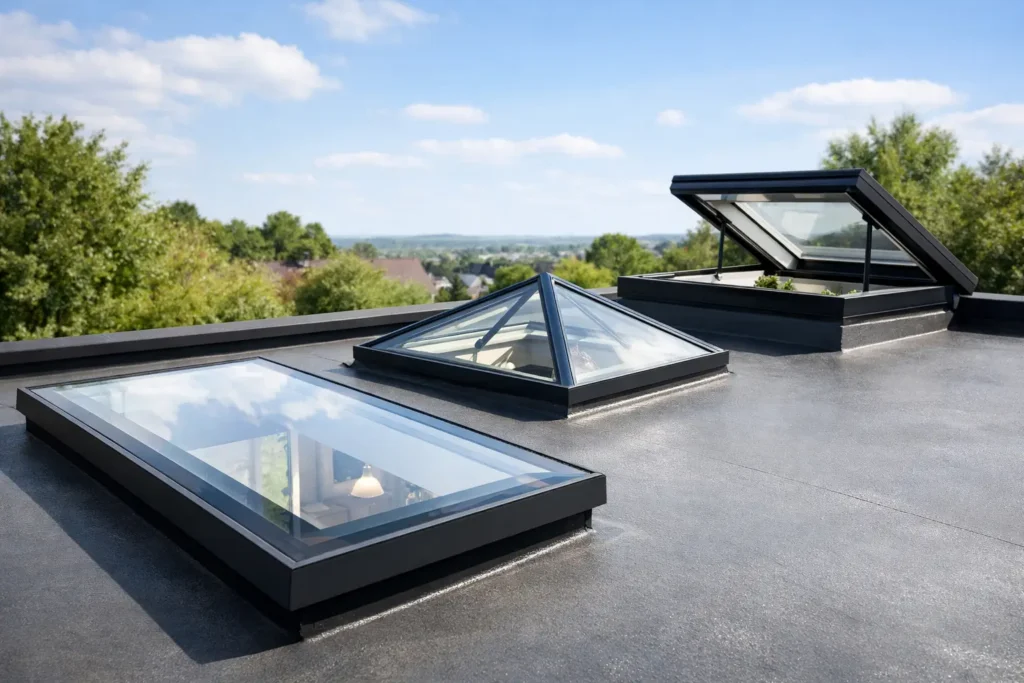
A flat-roof extension can feel surprisingly enclosed even when it has wide doors to the garden. Light from the side does not always reach the back of a kitchen, dining area or family room. Choosing the best rooflights for flat roofs changes that completely, bringing daylight into the centre of the room and making the whole space feel larger, brighter and more considered.
The right choice is not simply the largest pane of glass that will fit. It needs to suit the roof structure, the orientation of your home, the way you use the room and the performance you expect all year round. A well-specified rooflight should add architectural impact without creating glare, excessive solar gain or unnecessary heat loss.
What are the best rooflights for flat roofs?
For most UK extensions, a fixed flat glass rooflight is the strongest all-round option. It has a low-profile contemporary appearance, admits generous daylight and suits everything from minimalist rear extensions to renovated period homes. With a thermally broken aluminium frame and energy-efficient glazing, it delivers the clean sightlines homeowners want while helping to maintain a comfortable internal temperature.
That said, the best rooflight depends on the room and the result you want to achieve. There are three main choices worth considering.
Fixed flat glass rooflights
A fixed rooflight is designed purely to bring in light. It sits close to the roofline, creating a discreet external finish and an uninterrupted view of the sky from inside. This makes it particularly effective above a kitchen island, dining table or hallway where daylight is the priority and opening ventilation is not required.
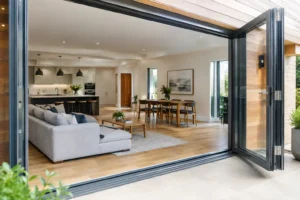
They are often the most cost-effective route to a premium glazed roof. A bespoke size can be specified to align with room proportions, ceiling details and other glazing, such as aluminium bifold or sliding doors facing the garden.
Opening rooflights for light and ventilation
An opening rooflight is a practical choice for kitchens, bathrooms and extensions that become warm during cooking or summer weather. The opening sash allows warm air to escape at high level, encouraging natural ventilation through the space. Where paired with opening windows or doors lower down, this can be especially effective.
Manual opening versions suit easily accessible locations. For larger rooflights or those positioned over a kitchen island, electric operation is usually more convenient. Rain sensors and remote controls can add reassurance, but they should be viewed as useful extras rather than a replacement for correct specification and installation.
Roof lanterns for height and presence
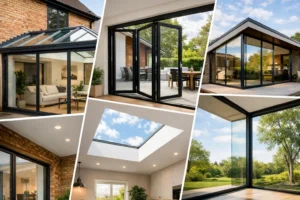
A roof lantern projects above the flat roof rather than sitting flush with it. It is a good fit where you want to make a feature of the ceiling and introduce light from multiple angles. In a larger orangery-style extension or dining room with a vaulted feel, a slim aluminium lantern can look impressive.
The trade-off is visual. A lantern has more visible framework than a flat glass rooflight and a more traditional, elevated profile externally. For a crisp contemporary extension, a flat rooflight is often the cleaner option. For rooms that need stronger architectural character and a sense of height, a lantern may be the better choice.
Choose the right size and position
Size and placement have as much influence on the finished room as the rooflight style. One large rooflight can create a dramatic focal point, while two or three smaller units may distribute daylight more evenly across a long extension. Neither approach is automatically better.
As a starting point, consider where the darkest part of the room will be once furniture, kitchen cabinetry and doors are in place. A rooflight above the centre of the living zone is often more valuable than one positioned only near the external wall. In a narrow side-return extension, a long rectangular rooflight can draw light deep into the original part of the house.
Avoid treating the rooflight as an afterthought. Its dimensions should be agreed alongside the roof joist layout, ceiling lighting plan and door configuration. This helps to prevent awkward compromises, such as a roof opening that is too small or framing that interrupts the intended clean lines.
Glazing performance matters all year round
The best rooflights for flat roofs use high-quality safety glazing and a thermally efficient frame. Roof glazing is exposed to more direct sun, rain and changing temperatures than a vertical window, so performance should be carefully considered rather than judged on appearance alone.
Look for toughened or laminated safety glass, as required for the application, alongside a sealed double-glazed unit. Many homeowners choose solar-control glass for south- or west-facing extensions. This reduces the amount of solar energy entering the room while still allowing excellent natural light through. It is particularly worthwhile where the rooflight is large, the ceiling is low or the room already has extensive glazed doors.
A low U-value is also desirable because it indicates lower heat transfer. However, compare complete product performance where possible, not just the centre-pane value of the glass. Frame design, edge details and installation all affect how the rooflight performs in practice.
Tinted glass can reduce glare and solar gain, but it will also alter the quality of daylight. In a north-facing room, clear glass may be the better decision. In a bright south-facing kitchen extension, solar-control glazing can make the room more comfortable without the need to keep blinds closed through the day.
Do not overlook privacy, shading and cleaning
A rooflight can overlook neighbouring upper-storey windows even if it cannot be seen from ground level. In built-up areas, consider the view in both directions before finalising the location. Obscure glass, a more carefully positioned opening or integrated blinds can provide a solution without losing the benefit of overhead light.
Blinds are also useful for bedrooms, media rooms and rooms with strong afternoon sun. They should be selected to fit the rooflight system properly, particularly where the opening is large or difficult to access. External shading can be more effective at limiting solar heat before it enters, while internal blinds are often the simpler choice for privacy and glare control.
Cleaning is usually straightforward with a well-designed flat rooflight because rainwater can wash away much of the surface dirt. Still, pollen, leaves and urban grime build up over time. Choose a unit with durable seals, minimal ledges and accessible surrounding roof areas, so routine maintenance does not become difficult.
Building Regulations, structure and installation
A rooflight should be specified as part of a compliant flat-roof build-up, not dropped into an existing roof without proper assessment. The roof structure must support the opening, and the upstand, weathering details and drainage must be designed to keep water away from vulnerable joints.
Building Regulations may apply to the thermal performance, safety glazing, ventilation and structural alterations involved. Planning permission is not always needed for a rooflight, particularly on a permitted development extension, but there are exceptions. Listed homes, conservation areas, height limits and overlooking concerns can all affect what is possible.
The safest approach is to involve an experienced installer or building professional early. They can confirm suitable kerb dimensions, roof falls, flashing requirements and the practical limits of the chosen unit. This is where a bespoke product and a precise survey make a genuine difference. A beautifully made rooflight cannot compensate for poor waterproofing or an incorrectly formed opening.
Coordinate your rooflight with the rest of the glazing
The most successful extensions feel cohesive from every angle. If you are installing slim-frame patio doors, such as a Smarts Visoglide Plus sliding door, or aluminium bifolds, match the rooflight frame colour and overall design language where possible. Anthracite grey, black and lighter contemporary finishes can be selected to complement doors, windows, kitchen cabinetry and external cladding.
Frame colour is only one part of the picture. Consider sightlines, glass tone and the balance of solid roof to glazed roof. A large rooflight combined with wide garden doors can create a spectacular open-plan room, but solar control, ventilation and shading should be designed in from the start.
A flat rooflight is a long-term addition to your home, so focus on how it will feel in February as well as July. The right specification will bring dependable daylight, comfortable temperatures and a refined finish to the room you use most. For tailored advice on size, glazing and installation, Smarts Bifold Doors can help you plan a rooflight that works with the whole extension, not just the roof opening.