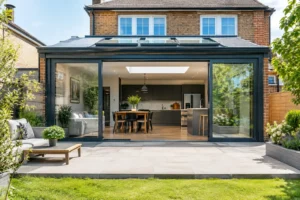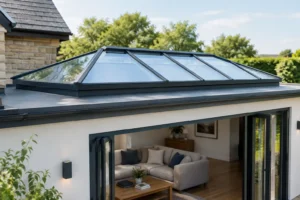

A new rear extension can look completely different depending on how its doors meet the garden. When weighing up sliding doors versus bifolds, the right answer is rarely about which system is ‘best’ in isolation. It is about how you use the room, the view you want to frame, the width of the opening and the architectural feel you want to achieve.
Both are excellent choices for a contemporary UK home. Aluminium makes it possible to combine slim, durable frames with large glazed areas, high-security locking and strong thermal performance. The difference lies in how each door opens, how much of the aperture it can clear and what it asks of the surrounding space.
Sliding doors versus bifolds: the key difference
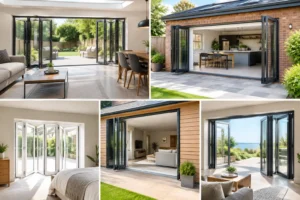
Sliding doors move behind one another on dedicated tracks. One panel slides, or multiple panels slide and stack, while the remaining panel or panels stay in place. They are designed around large panes of glass and minimal visual interruption, making them particularly effective where an uninterrupted garden view is the priority.
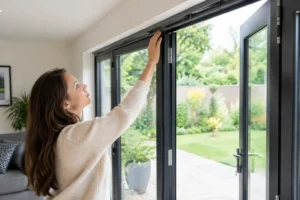
Bifold doors consist of individual panels that fold and slide to one or both sides of the opening. When fully open, they can clear almost the whole aperture. This creates a wide, open connection between kitchen, dining space and patio that suits entertaining, family life and warm-weather living.
Neither style is automatically more premium. A well-specified sliding door such as the Smarts Visoglide Plus sliding door or Cortizo COR Vision Sliding Door can make a bold architectural statement. Equally, systems such as Smarts Visofold 1000 Bifold Doors deliver the flexible, fully opening layout that many extensions are designed around.
Choose sliding doors when the view comes first
Sliding doors are often the stronger choice for homeowners with a striking garden, open countryside outlook or carefully designed landscaped patio. Their large glass panels and slim vertical sightlines keep the focus outside, even when the doors are closed. From inside, the glazing can feel more like a framed wall of light than a conventional door.
They also work well where furniture sits close to the opening. A sliding panel moves within its own track, so it does not project into the room or onto the terrace. In a compact kitchen extension, that can make planning a dining table, island or sofa arrangement much easier.
The trade-off is the opening width. With a standard two-panel slider, one panel remains fixed, so approximately half the opening is available for access. A three-panel configuration can provide a wider clear passage, depending on the design, but there will always be fixed glass in the aperture. For everyday movement to the garden, this is usually more than adequate. For creating a completely open entertaining space, bifolds often have the advantage.
Sliding doors can be especially impressive across wider spans. Systems such as the Schuco ASE60 Sliding Door and Schuco ASE80 Sliding Door are suited to homes seeking generous panel sizes, refined sightlines and a high-end finish. The ideal specification depends on structural opening, glass requirements, exposure to weather and the desired panel arrangement.
A note on threshold design
Both door types can be specified with low thresholds to create a more comfortable transition between inside and out. This is particularly valuable for young children, older family members and anyone planning for long-term accessibility. Threshold choice must be considered alongside drainage, floor build-up and Building Regulations, rather than treated as an afterthought once the extension is complete.
Choose bifolds when opening up matters most
Bifold doors earn their reputation when they are folded back. With the panels stacked neatly to one side, or split to stack at both sides, they can transform a kitchen or living space into an open-air entertaining area. This is the feature that makes them a natural fit for garden-facing extensions, patios used for summer dining and rooms where indoor-outdoor flow is central to the brief.
They also offer useful day-to-day flexibility. A traffic door can be built into the configuration, allowing you to step outside without folding back the full system. That is practical for putting out recycling, letting the dog into the garden or opening the room for fresh air during the day.
The consideration is stacking space. Although aluminium bifold panels fold compactly, the stacked doors will occupy part of the opening and need a clear area to operate. The configuration needs to suit the room layout, patio furniture and direction of travel. An experienced survey and clear discussion before ordering prevents a beautiful door arrangement becoming inconvenient in use.
For homes where thermal performance and contemporary styling are both important, products including Smarts Visofold 6000 Bifold Doors, Schuco ASFD75 Bifold doors and Cortizo Bifold Plus offer different solutions in panel capacity, frame design and performance. The best option is not simply the one with the slimmest frame or the largest possible opening. It should be proportioned properly for the property and specified for the way the household lives.
Light, sightlines and everyday comfort
It is tempting to assume that sliding doors always bring in more light because they have fewer frame lines. In many designs, that is true. Large sliding panels maximise glass area and can preserve an expansive outward view, particularly when closed for most of the year.
However, bifolds can still make a bright, inviting room. When they are open, there is no glazed barrier across most of the opening. When closed, modern aluminium systems use carefully engineered profiles to keep frames refined without compromising strength or security.
The orientation of the property matters too. South- and west-facing glazing can bring valuable daylight but may also increase solar gain in summer. Glass specification should be chosen for more than appearance. The right glazing can support thermal efficiency while helping to manage solar heat, glare and comfort in a room that receives strong afternoon sun.
Thermal performance is about the whole specification
Aluminium is exceptionally durable and stable, but a high-performing aluminium door depends on its thermal break, glazing, seals and installation. A thermal break separates the inner and outer sections of the frame to reduce heat transfer. Combined with energy-efficient glazing, it helps a large glazed opening feel comfortable through colder months.
Do not compare doors on a single headline figure alone. The panel arrangement, size of the opening, glass unit, spacer bar and threshold details can all influence the overall result. A properly measured, professionally installed system is just as important as the product selected.
For an extension or renovation project, door performance should also work with the rest of the glazing. Matching aluminium windows, such as Smarts Alitherm 400 Windows or Cortizo Hidden Sash Windows, can help create a considered, consistent finish across the property.
Security and durability should be standard expectations
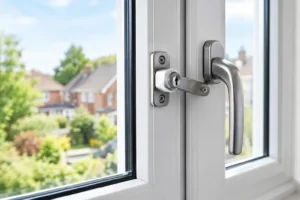
Whether you choose a slider or a bifold, look for a system with strong multi-point locking, quality handles, secure cylinders where relevant and toughened safety glass in the appropriate locations. Large areas of glass should never mean compromising on reassurance.
Aluminium is a particularly practical choice for doors exposed to changing British weather. It will not swell, warp or require regular repainting in the way some other materials can. A quality powder-coated finish is available in a wide range of colours, allowing you to choose a crisp contemporary black, a softer grey, a heritage-inspired shade or a dual colour finish with a different interior and exterior appearance.
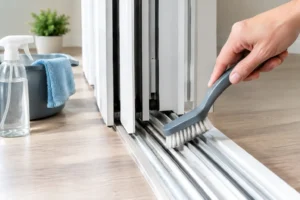
Maintenance is straightforward. Regularly clean the frames and glass, keep tracks free from grit and leaves, and follow the manufacturer’s guidance on moving parts. That small amount of care helps doors continue to slide or fold smoothly year after year.
How to make the right decision for your home
Start with the view from your favourite place in the room. If you want broad panes of glass and the least possible interruption between your home and garden, sliding doors are likely to lead the conversation. If you imagine throwing open the entire rear elevation for family gatherings and summer evenings, bifolds may be the better fit.
Then consider the practical details: the width and height of the structural opening, where furniture will sit, how often the doors will be fully opened, the direction of sunlight and whether a traffic door would make everyday use easier. These choices shape the ideal panel layout as much as personal taste does.
A bespoke quotation and consultation can turn those decisions into a door design that works on paper and in daily life. At Smarts Bifold Doors, homeowners can choose supply-only or installation support nationwide, with tailored aluminium systems built around the opening rather than forced into a standard size.
The most successful choice is the one that still feels right on a cold January morning as well as a sunny July afternoon: warm, secure, easy to use and perfectly suited to the way your home opens onto the outdoors.