
If you are pricing up a kitchen extension or replacing dated patio doors, one question usually comes up early – are aluminium bifold doors worth it? The short answer is that they often are, but only when the product, specification and layout suit the way you actually use your home. They can transform light levels, improve garden access and give a much cleaner finish than older door styles, but they are still a significant investment, so the details matter.
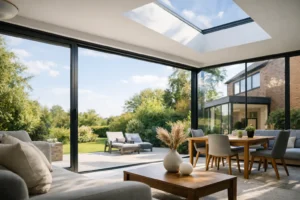
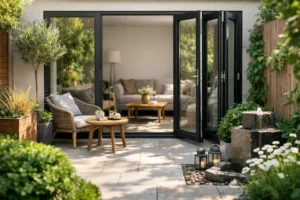
For many UK homeowners, the appeal is obvious. Aluminium bifold doors open up wide sections of wall, bring in more daylight and create a stronger connection between the house and garden. In the right room, that changes how the space feels every day, not just on the handful of warm weekends when the doors are folded back.
Are aluminium bifold doors worth it for everyday living?
They can be, especially in kitchens, open-plan living areas and rear extensions where natural light and access are a priority. A well-designed bifold door does more than look modern. It can make a room feel wider, brighter and more usable by reducing the visual barrier between inside and outside.
That said, the value is not only in the full opening. Some buyers focus on the idea of opening the whole set in summer, but in practice most people use the traffic door day to day. That is why configuration matters. You want a layout that works on a rainy Tuesday in February as well as on a sunny bank holiday.
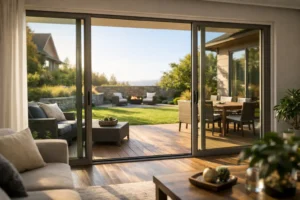
If your main aim is a broad uninterrupted view with the slimmest possible sightlines, a sliding system may suit you better. If you want the option to open up most of the aperture for entertaining, family life or garden access, bifolds are usually the stronger choice.
The main benefits of aluminium bifold doors
The biggest advantage is the balance aluminium offers between strength and slimness. Because the frames are strong, they can support larger glazed panels without becoming bulky. That means more glass, better sightlines and a sharper contemporary finish.
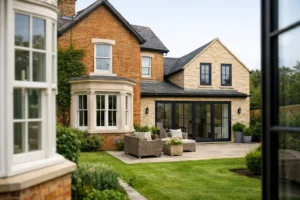
For homeowners renovating older properties or adding a modern extension, that visual improvement is often a major part of the decision. Aluminium suits both styles surprisingly well. On a new extension it looks crisp and architectural. On a period home, especially in carefully chosen colours, it can create a clean contrast without looking out of place.
There is also a practical side. Aluminium does not warp, swell or rot in the way other materials can over time. With proper powder-coated finishes and quality manufacturing, it is designed for long-term performance with relatively low maintenance. Routine cleaning, occasional checks of hinges, rollers and tracks, and proper aftercare are usually enough to keep the system working as it should.
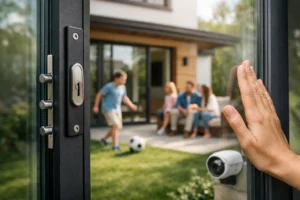
Security is another reason many buyers see them as worth the investment. Modern aluminium bifold systems are built with multi-point locking, strong frames and high-quality hardware. Top-of-the-range security should not be treated as an optional extra on a main set of rear doors. It should come as standard in the specification.
Cost versus long-term value
This is where the answer becomes more nuanced. Aluminium bifold doors usually cost more than basic uPVC alternatives, and often more than simpler patio door options. Whether they are worth it depends on what you are comparing them with.
If you are only measuring upfront spend, they can look expensive. If you are looking at durability, appearance, customisation and the impact on the room itself, the picture changes. Many homeowners are not simply buying a door. They are investing in a better living space, more daylight and a higher quality finish across the whole extension or refurbishment.
A cheaper system can end up feeling like a false economy if the frames are chunkier, the operation is poor or the thermal performance is weaker than expected. On the other hand, paying more only makes sense if the doors are properly specified. Size, glazing, threshold choice, panel arrangement and installation quality all affect value.
That is why bespoke matters. A made-to-measure system fitted to the opening and your day-to-day needs will nearly always feel like better value than an off-the-shelf product chosen on price alone.
Are aluminium bifold doors worth it for energy efficiency?
They can be, provided you choose a modern thermally broken system with energy efficient glazing. Older assumptions about aluminium being cold are out of date. Current aluminium bifold doors are designed with thermal breaks that reduce heat transfer through the frame, and when paired with the right glass they can deliver strong overall thermal performance.
For UK homes, this is particularly important in exposed rear elevations and large glazed extensions. You want doors that let in light without making the room harder to heat. Good weather seals, quality glazing and accurate installation all play a part here.
It is worth being realistic, though. Any large glazed opening will behave differently from a fully insulated wall. Bifold doors can perform very well, but expectations should be sensible. The right system will help create a comfortable room with good light and efficient performance, but only if the whole specification is considered rather than just the frame material.
Where bifold doors work best – and where they may not
Bifold doors are particularly effective on medium to wide rear openings where you want flexibility. They suit kitchen diners, garden rooms and family spaces that benefit from wide access to patios and lawns. They are also a strong option when you want to stack the panels neatly to one or both sides.
They are not automatically the best answer for every opening. On very large spans, some homeowners prefer sliding doors because they keep fixed panes in place and offer cleaner uninterrupted views. If your furniture layout means the folded panels will be awkward, a sliding door may be simpler. If you rarely expect to open more than one leaf at a time, the full bifold function may not add enough practical benefit.
This is why product choice should follow the room, not the trend. Systems such as Smarts Visofold 1000 Bifold Doors and Smarts Visofold 6000 Bifold Doors can work very well in domestic settings, but the best result comes from matching the door to the opening size, threshold requirements and how you move through the space.
What makes one aluminium bifold door better than another?
Not all aluminium bifold doors are equal. The quality of the profile system, hardware, glazing, fabrication and installation all make a visible difference. On paper, several products may appear similar. In use, the difference between a door that glides smoothly and locks cleanly and one that feels stiff or poorly aligned is obvious.
Homeowners should look closely at sightlines, thermal values, security features, threshold options and the flexibility of panel configurations. Colour choices and hardware finishes matter too, especially in high-value living spaces where the doors are a key design feature rather than a background element.
A reliable supplier should also be able to explain what is included, what the lead times are, how the system meets Building Regulations and whether supply-only or full installation is the better route for your project. Confidence comes from clarity.
The installation question matters more than most buyers expect
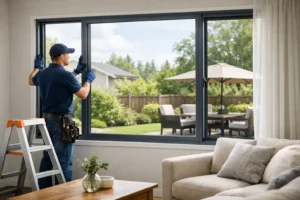
Even an excellent bifold system can disappoint if it is badly installed. Poor fitting affects operation, weather performance, security and the finish around the opening. That is why the installer, or the quality of project coordination on a supply-only order, matters just as much as the brand name on the frame.
This is especially important in renovations, where existing openings are not always perfectly square and structural changes may be involved. A proper survey helps avoid problems with thresholds, floor levels and panel stacking arrangements before the doors are manufactured.
For experienced renovators, supply-only can make sense. For many homeowners, full installation offers reassurance that the entire package is being handled correctly from survey to final fit.
So, are aluminium bifold doors worth it?
If you want more light, better garden access, a strong modern finish and long-term durability, aluminium bifold doors are often well worth it. They make the biggest difference when they are chosen for the right space, specified properly and installed with care. If your main goal is the widest possible opening and a brighter, more connected living area, they can be one of the most rewarding upgrades in the home.
The real test is not whether bifolds are fashionable. It is whether they improve the way your room looks, feels and functions every single day. Choose the right system, ask the right questions at quote stage, and you are far more likely to feel the investment was money well spent.