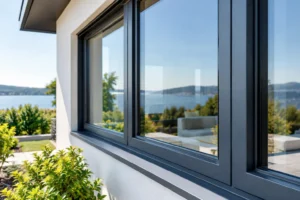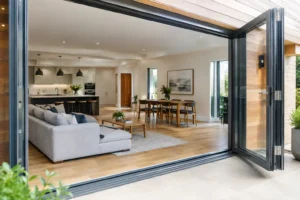

If you already have a trusted builder, a confident installer, or you are managing a renovation yourself, supply only bifold doors can make a lot of sense. You get the same made-to-measure aluminium door system, the same design freedom, and the same modern finish – just without paying for a full installation package you may not need.
That sounds straightforward, but the right order depends on more than style alone. Opening direction, threshold choice, panel sizes, glazing specification and site readiness all affect how well your doors perform once fitted. Get those details right and bifold doors can transform a kitchen extension or rear living space with more light, cleaner sightlines and easier access to the garden.
What supply only bifold doors actually mean
Supply only means the doors are manufactured to your agreed specification and delivered ready for installation by your chosen fitter. The product is not a cut-down version. You are still buying a bespoke aluminium bifold door system, built around the dimensions, configuration and finish required for your property.
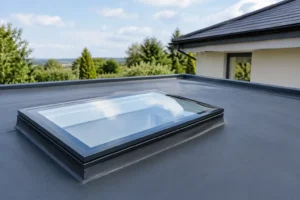
For many homeowners, this route offers better control. You may already be working with a builder who is handling the wider project, or you may want to coordinate several elements at once, such as roof lanterns, replacement windows and doors. In those situations, separating product supply from installation can be the practical option.
It can also be a sensible choice on cost. You are paying for the product itself and not a bundled fitting service. That said, lower headline cost should never be the only reason to choose supply only. The accuracy of the survey and the quality of installation still matter just as much.
Why homeowners choose supply only bifold doors
The main attraction is flexibility. Renovation projects rarely run in a perfectly straight line, and many customers prefer to control timings with their own trades. When you buy supply only, you can arrange fitting around plastering, flooring, structural works or snagging, rather than trying to fit everything around one installer’s diary.
There is also more freedom for experienced renovators and trade-adjacent buyers who know exactly what they want. If you already understand your opening size, desired traffic door position and threshold requirements, a supply only order can be an efficient way to secure a high-quality system without slowing down the wider build.
Another reason is product choice. A specialist supplier can still offer a broad range of systems and configurations, from Smarts Visofold 1000 Bifold Doors to Origin OB49 Bifold Doors, depending on the look, performance level and panel arrangement you want. In other words, choosing supply only should not mean compromising on the end result.
Where supply only works best
This option tends to work best when the project is well organised. If your builder is experienced in fitting aluminium frames and the structural opening is being prepared properly, supply only is often a smooth process. It is particularly common on extensions, kitchen-diners opening onto patios, and wider rear elevations where homeowners want a contemporary glazed wall without losing practicality.
It can also suit replacement projects where the old doors are coming out and the opening dimensions are known. If the brickwork, floor levels and lintel details are clear, the ordering process is usually more straightforward.
Where it becomes less simple is on awkward refurbishments, older properties with uneven openings, or jobs where final site dimensions may still change. In those cases, expert guidance before you place the order becomes even more valuable.
Getting the specification right from the start
A bifold door is not just a frame with glass in it. The specification affects security, thermal performance, daily use and how the finished doors sit within the room.
The first detail is size. Supply only products are typically made to measure, so accurate dimensions are essential. Small errors in width, height or squareness can create expensive problems later. That is why many homeowners still want technical support at quotation stage, even if they are not booking installation.
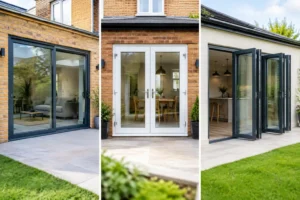
Then there is the configuration. Do the doors fold left, right or split from the centre? Do you want a traffic door for everyday access without opening the full set? How many panels are practical for the width of your opening? These decisions influence not just appearance, but how the doors work in real life.
Threshold choice matters too. A low threshold can improve access and strengthen the indoor-outdoor feel, but it must be suitable for the location and exposure. In some settings, weather performance and floor build-up need careful thought.
Glazing is another area where quality counts. Aluminium products with a thermal break and energy efficient glazing help deliver the thermal efficiency homeowners now expect. That is especially important in larger glazed openings, where comfort near the doors matters as much as the energy rating on paper.
Design options that shape the finished look
One of the biggest reasons aluminium bifolds remain so popular is the balance between slim frames and structural strength. You get generous glazing, a crisp modern appearance and durable performance without the bulkier look some homeowners want to avoid.
Colour is a big part of that. Anthracite grey remains popular, but it is far from the only option. Contemporary homes may suit black or a bold architectural tone, while more traditional properties often benefit from softer, more understated finishes. Hardware choices, sightlines and panel proportions all contribute to the final feel.
The door system itself also makes a difference. Some homeowners want a proven all-rounder such as Smarts Visofold 6000 Bifold Doors, while others are looking for premium sightlines or enhanced thermal values from systems such as Schuco ASFD75 Bifold doors or ASFD90.Hi Bifold Doors. The right answer depends on budget, opening size and the level of performance you want from the product.
What to check before you order
Before placing an order for supply only bifold doors, it is worth slowing down and checking the practical side. Has the structural opening been confirmed after steelwork and brickwork? Are finished floor levels known? Is there enough allowance for packers, tolerances and sealing? Has someone agreed how the doors will be lifted and moved on site?
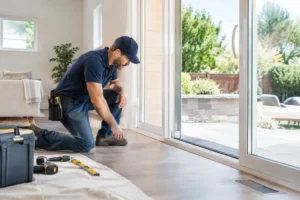
These are not glamorous questions, but they prevent the kinds of problems that delay projects. Aluminium bifolds are precision-made products. They need a prepared opening, competent installation and the right support at each stage.
It is also wise to confirm what is included with the order. Ask about handles, cills, trickle vents where required, glazing specification, lock options and delivery expectations. A clear quotation avoids confusion and helps your installer plan ahead.
Security and compliance still matter
Some homeowners assume supply only means taking on more risk. In reality, the important point is the quality of the system and whether it is specified correctly. Top-of-the-range security should not disappear just because you are arranging fitting separately.
A good aluminium bifold system should offer dependable locking, strong frame construction and glass specifications suited to domestic use. Compliance with current standards and Building Regulations is just as relevant on a supply only order as it is on a fully installed project.
That is why specialist advice is useful even for confident buyers. The product must be right for the opening, the home and the intended use. A cheap price is poor value if the door does not perform properly once installed.
Is supply only the right choice for you?
If you want a single company to manage survey, fitting and final sign-off, full installation is often the simpler route. It gives one point of responsibility and can reduce pressure on the homeowner. For some people, that reassurance is worth paying for.
But if your project is already in capable hands, supply only can be the smarter option. You still get a bespoke bifold door tailored to your home, with control over style, performance and specification, while keeping your own build schedule intact.
At Smarts Bifold Doors, that is often where homeowners see the real value – not just in buying a door, but in getting the right product for the opening, the property and the way the room will actually be used.
The best starting point is not the colour chart or the brochure photo. It is making sure the basics are right, because when the size, specification and system all match the project, the finished doors tend to look better, work better and earn their place every day.