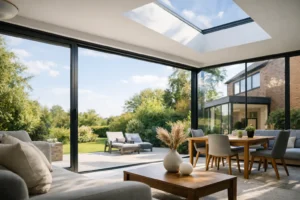

When you start comparing aluminium or uPVC windows, the decision usually feels simple at first – until you realise both have clear advantages, and the right choice depends on what you want from your home. A lower upfront cost can look appealing, but so can slimmer frames, longer lifespan and a more contemporary finish. If you are replacing tired windows as part of a renovation or extension, it pays to look beyond the price tag.
For most homeowners, this is not really a question about window material alone. It is a question about appearance, comfort, maintenance, security and how well the windows will suit the property in five, ten or twenty years’ time. That is where the detail matters.
Aluminium or uPVC windows – the real difference
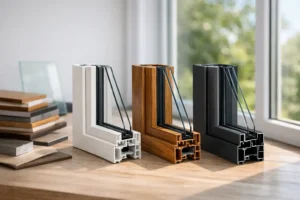
The biggest visual difference between aluminium and uPVC is the frame itself. Aluminium is much stronger as a material, which means the frames can be slimmer while still supporting larger areas of glazing. That gives you a neater sightline, more glass and a cleaner architectural look.
uPVC frames are typically chunkier. On some homes that is perfectly acceptable, especially in straightforward replacement projects where budget is the main driver. On others, particularly modern extensions, kitchen renovations and rear elevations designed to bring in more light, thicker frames can work against the look you are trying to achieve.
This is often the point where aluminium starts to stand out. If your aim is to create brighter rooms and a sharper finish, slim-profile systems such as Smarts Alitherm 400 Windows or Cortizo Hidden Sash Windows are difficult to ignore.
Appearance and kerb appeal
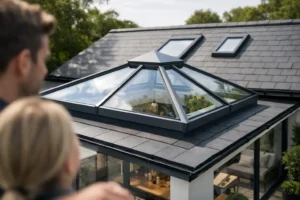
If style is high on the list, aluminium tends to offer the more refined result. The profiles are slimmer, the lines are crisper and the overall feel is more contemporary. That makes aluminium particularly well suited to homes with bifold doors, large patio doors, roof lanterns or flat roof lights, where consistency across the glazing matters.
It is not just about modern properties either. Aluminium windows are now available in a wide range of colours and finishes, so they can work just as well on period homes being sensitively updated. Anthracite grey remains popular, but there is plenty of flexibility if you want a softer external colour or a dual-colour option.
uPVC can still improve the appearance of a property, especially when replacing dated timber or old white plastic frames. But if the goal is a more premium architectural finish, aluminium usually gives you more design value.
Cost – where uPVC often leads
There is no point avoiding it – uPVC windows are generally cheaper to buy than aluminium. If you are replacing multiple windows across the whole house, that price difference can be significant.
For some homeowners, that makes the decision straightforward. If the existing windows are failing and you need a practical, cost-conscious replacement, uPVC can absolutely do the job. Modern systems are better than older versions, and a good quality installation still brings gains in comfort, appearance and energy efficiency.
That said, lower upfront cost does not always mean better long-term value. Aluminium usually lasts longer, resists warping well and holds its finish exceptionally well over time. So while the initial spend is higher, the lifespan and visual performance can make it a better investment, particularly if this is a home you plan to stay in.
Thermal efficiency and comfort
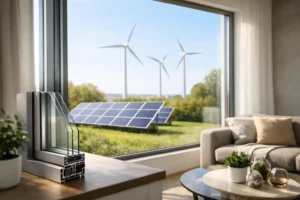
Years ago, some buyers assumed uPVC would always outperform aluminium on thermal efficiency. That is no longer a fair comparison. Modern aluminium window systems use a thermal break within the frame, and when combined with energy efficient glazing, they deliver very strong thermal performance.
This matters in day-to-day use. Good windows should help reduce heat loss, improve comfort near the glazing and cut down on draughts. In an extension with large glazed openings, that becomes especially important.
uPVC still performs well here, and in many standard replacement projects it will meet expectations comfortably. But a quality aluminium system should not be dismissed as the colder option. It depends on the product specification, the glass, the installation and how the whole opening is designed.
If you are comparing quotes, look closely at the actual performance figures rather than relying on assumptions about material alone.
Security and strength
Most homeowners want reassurance that new windows will feel solid and secure. Both aluminium and uPVC can be manufactured to high security standards with modern locking systems, but aluminium has a natural strength advantage.
That strength helps in two ways. First, it supports larger panes and slimmer frames without compromising stability. Second, it contributes to a more substantial overall feel. For ground floor openings, large windows and homes where security is a major buying factor, this can carry real weight.
Top-of-the-range hardware and compliant glazing specifications matter whichever material you choose. But if you want the reassurance of a stronger frame combined with a premium finish, aluminium makes a compelling case.
Maintenance and lifespan
Neither aluminium nor uPVC is high maintenance compared with traditional timber. Both are designed to be practical, durable and straightforward to live with. Routine cleaning and occasional hardware checks are usually all that is needed.
The difference tends to show over the long term. Aluminium is highly durable and performs well in exposed conditions. It is less likely to swell, distort or degrade in the way cheaper plastic systems sometimes can over time. Powder-coated aluminium also retains its appearance very well.
uPVC is still low maintenance, but lifespan and finish quality can vary more depending on the system and manufacturer. In a lower-budget project, this may be an acceptable trade-off. In a design-led renovation where you want lasting performance, aluminium is often the stronger choice.
Which is better for modern extensions?
For rear extensions, open-plan kitchen projects and garden-facing rooms, aluminium is usually the more natural fit. That is partly because it pairs so well with wider glazing products such as Smarts Visofold 1000 Bifold Doors, Origin OB36 Bifold Doors or a Smarts Visoglide Plus sliding door.
When windows sit alongside bifolds or sliders, mismatched frame proportions can spoil the overall effect. Slim aluminium frames create a consistent look across the elevation and help maximise the amount of glass. If your project is centred on light, garden views and a clean contemporary finish, this is often where aluminium justifies its extra cost.
That does not mean uPVC has no place in an extension. On a tighter budget, it can still provide a functional result. But if the glazing is intended to be a feature rather than just a necessity, aluminium tends to deliver more.
When uPVC windows make sense
uPVC is often the sensible answer when budget comes first, the window sizes are standard and the property does not need a strong architectural statement. It can be a practical choice for rental properties, straightforward whole-house replacements or secondary elevations where slim sightlines are less important.
It can also suit more traditional homes where a simple replacement is the aim rather than a full design upgrade. If you choose a quality product and competent installer, you can still achieve good thermal performance, security and reliability.
The key is to be honest about priorities. If you mainly want an affordable improvement, uPVC can be the right answer. If you want to transform how the house looks and feels, aluminium may be worth stretching for.
When aluminium windows are worth the extra spend
Aluminium earns its place when the windows are part of a bigger vision for the home. If you are investing in an extension, upgrading old patio doors, adding a roof lantern or trying to create a lighter and more open living space, the frames should support that ambition.
This is where systems such as Smarts Alitherm 400 Windows, Schuco AWS80SC Casement Windows and Cortizo Casement Windows come into their own. They combine strong thermal performance, high security and the slimmer aesthetics that many homeowners now want from modern glazing.
The value is not only visual. You are also buying strength, longevity and flexibility in larger openings. For many homeowners, that makes aluminium the better long-term decision, even if the upfront cost is higher.
So, should you choose aluminium or uPVC windows?
If you want the shortest route to lower upfront cost, uPVC is likely to appeal. If you want better sightlines, a more premium finish, stronger frames and windows that complement contemporary glazing elsewhere in the home, aluminium is usually the stronger option.
For many UK renovation projects, the deciding factor is not whether one material is universally better. It is whether you are making a basic replacement or investing in a wider improvement to light, space and appearance. That distinction changes everything.
The best windows are the ones that suit the property, the budget and the result you actually want to live with. If you are planning a home upgrade, it is worth choosing the option that will still look right every time you pull into the drive years from now.