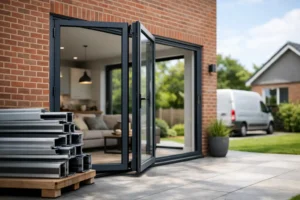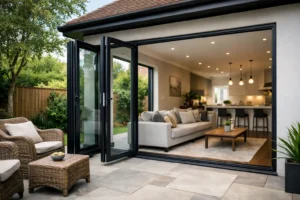
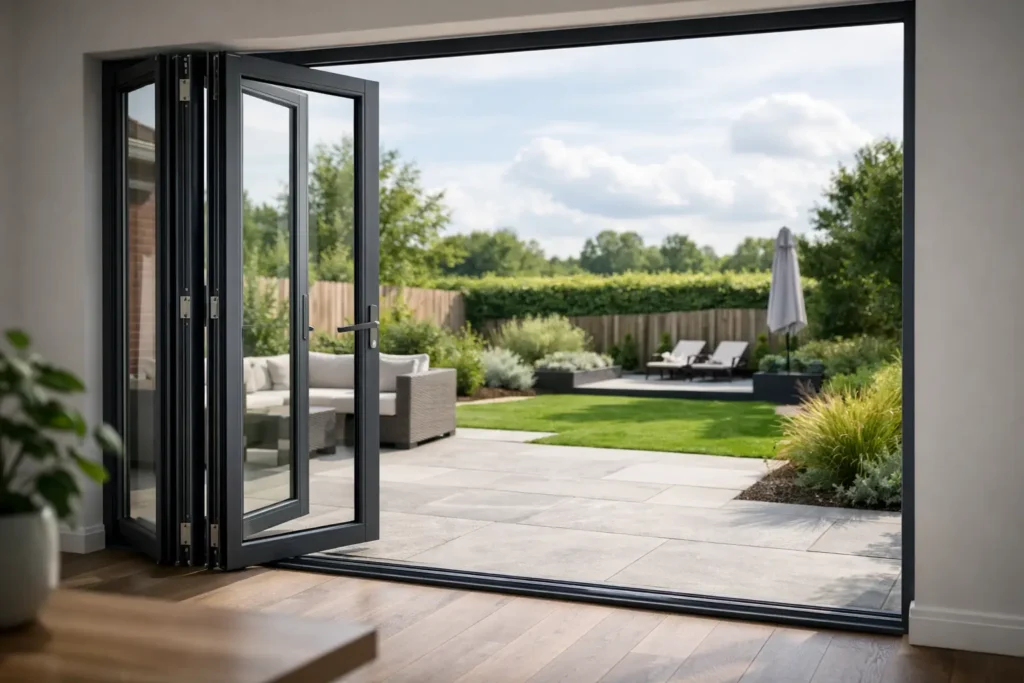
A bifold door can look excellent in a brochure and still be the wrong choice for your extension. The difference usually comes down to details such as opening configuration, threshold design, thermal performance and how the doors will be used every day. That is why an aluminium bifold door buying guide matters before you compare quotes, colours and frame styles.
For most homeowners, the goal is straightforward. You want more light, better access to the garden and a cleaner, more contemporary finish than older patio doors can offer. The right aluminium bifold doors can do exactly that, but only if the specification suits the room, the opening and the way you live.
What to look for in an aluminium bifold door buying guide
Start with the practical questions, not just the appearance. How wide is the structural opening? Do you want the doors to stack to one side or split in the middle? Will this be the main route into the garden, and do you need everyday access without folding back the full set?
These points affect which system will work best and how satisfied you will be once it is installed. A large opening may suit a multi-panel arrangement, while a smaller extension might benefit from fewer, wider panels to keep sightlines cleaner. If the doors will be opened and closed several times a day, a traffic door can make daily use much more convenient.
This is also where product quality starts to matter. Not all aluminium systems are built to the same standard. Established systems such as Smarts Visofold 1000 Bifold Doors, Smarts Visofold 6000 Bifold Doors, Schuco ASFD75 Bifold doors and Origin OB49 Bifold Doors each have different strengths in terms of styling, panel sizes, performance and overall feel. The best option is not always the most expensive one. It is the one that suits your opening, budget and expectations.
Size, configuration and how the doors open
The layout of the doors has a bigger impact than many buyers expect. A bifold set needs space for the panels to stack when open, so it is worth thinking beyond the closed view. If your furniture layout is tight, or you have a kitchen island close to the opening, stacking direction matters.
A common decision is whether to choose doors that open inwards or outwards. Outward opening doors preserve internal floor space, which can be useful in kitchens and dining rooms. Inward opening doors may suit some layouts better, but they need clearance indoors. Neither is automatically right. It depends on the room and how the threshold meets your patio or garden level.
Configuration also affects symmetry. Some homeowners prefer equal panels splitting from the centre for a balanced look. Others prioritise a single traffic door at one end for quick access. If you use the garden often, this feature can make the whole installation more practical.
Sightlines and frame design
One reason aluminium remains such a popular choice is its strength. Slimmer frames are possible because aluminium is inherently rigid, which means you can achieve larger glazed areas without bulky sections dominating the view.
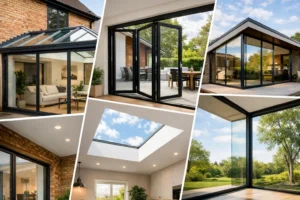
That does not mean every aluminium bifold looks identical. Some systems focus on ultra-clean contemporary lines, while others are slightly more traditional in proportion. If your priority is maximising glass and reducing visible frame, compare sightlines carefully. The difference can be subtle on paper and obvious once fitted across a rear elevation.
For modern extensions, products such as Cortizo Bifold Plus or Schuco systems are often considered for their refined appearance. For many family homes, a proven and versatile option such as Smarts Visofold 1000 Bifold Doors gives a strong balance of style, performance and value.
Thermal efficiency and glazing performance
A large glazed opening should bring in light without making the room feel colder in winter or too warm in summer. This is where frame construction and glass specification need proper attention.
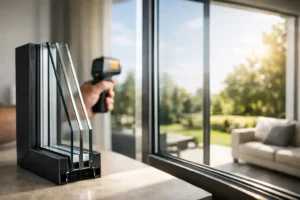
Good aluminium bifold doors use a thermal break within the frame to reduce heat transfer, and energy efficient glazing plays a major part in overall performance. In plain terms, the frame and glass need to work together. A slim frame may look impressive, but if thermal performance is poor, the doors will not deliver the comfort level most homeowners expect from a modern upgrade.
It is worth asking what glazing make-up is included in the quote and whether the doors are suitable for compliance with current Building Regulations. South-facing rooms, exposed elevations and heavily glazed kitchen extensions may all need slightly different thinking. Sometimes the best solution is not simply the lowest U-value on a sheet, but the right balance between insulation, solar gain and everyday comfort.
Security should be standard, not an upgrade
Most buyers understandably focus first on design, but security should be part of the conversation from the start. A quality bifold door should include high-security locking, strong hardware and tested performance rather than treating these features as extras.
Look for multi-point locking, dependable cylinder options and a system that feels solid in operation. The doors should close cleanly, lock positively and inspire confidence. Top-of-the-range security is especially important if the doors form the main rear entrance to the home.
This is one area where buying from an experienced specialist pays off. Proper surveying, accurate manufacturing and correct installation all contribute to security. Even a strong system can underperform if it is poorly fitted.
Thresholds, flooring and day-to-day use
Threshold choice is often left until late in the buying process, but it should not be. The threshold affects weather performance, accessibility and how easily the inside connects with the outside.
A low threshold can create a neater transition to the patio and is often preferred for family homes looking for a more open feel. However, very low thresholds involve compromise. Depending on the exposure of the property, drainage design and site conditions, a more weather-rated threshold may be the better long-term option.
This is a classic example of where it depends. If the opening is sheltered and level changes are carefully planned, a low threshold may work very well. If the doors face strong wind and driving rain, performance should come first.
Colours, handles and bespoke options
The visual finish matters because bifold doors occupy a large part of the rear elevation. Powder-coated aluminium gives you plenty of flexibility, from understated anthracite greys to black, white and more individual colours. Dual colour options can also be useful if you want one finish outside and another inside.
Handles, cills, glazing bars and panel configuration all contribute to the final look. This is where bespoke manufacturing has real value. A made-to-measure set will usually feel far more resolved than trying to force a standard product into a design that needs something more specific.
For homeowners matching new doors with other glazing upgrades, it can help to think about the wider scheme. If you are also considering products such as Smarts Alitherm 400 Windows or a slim sliding system such as the Smarts Visoglide Plus sliding door, keeping frame style and colour consistent can lift the whole project.
Supply only or full installation?
Not every buyer needs the same service. Some homeowners want a complete package with survey, supply and installation handled by one specialist. Others are working with their own builder and prefer supply only.
There is no single correct route. Full installation offers reassurance and clearer accountability, especially if structural tolerances or finishing details are complex. Supply only can work well for experienced renovators who already have a trusted team in place. The key is making sure measurements, lead times and site readiness are managed properly. Bifold doors are precision products, and mistakes at the ordering stage can be expensive.
How to compare quotes properly
A cheaper quote is not always better value. One supplier may include higher-spec glazing, better hardware, more professional installation or a superior aluminium system, while another may appear cheaper because key elements are missing.
When comparing quotations, check the exact system being offered, the glazing specification, the threshold type, hardware finish, installation scope and any compliance or certification details. Also look at lead times and what happens after installation if adjustments are needed. Clear answers here usually tell you a lot about the company behind the product.
A specialist such as Smarts Bifold Doors will usually be able to guide you through those choices quickly and explain where paying a little more brings a meaningful return in performance or appearance.
The right door is the one that fits your home
A bifold door is not just a product purchase. It changes how a room feels, how you move through it and how connected the house becomes to the garden. That is why the best buying decision usually comes from balancing appearance with performance, rather than chasing one at the expense of the other.
If you start with the opening, the way you want to use the doors and the level of finish you expect, the right specification becomes much clearer. Get those fundamentals right, and your aluminium bifold doors should feel like they belonged in the design from the start, not like an upgrade you had to work around.