A misted panel, cracked pane or draught around your garden doors can make an otherwise well-kept room feel cold and tired. Deciding whether to replace patio glass or invest in new doors comes down to more than the visible damage. The age and condition of the frame, the type of glazing already fitted, security requirements and your plans for the space all matter.
For some homeowners, a like-for-like glass replacement is a sensible, cost-effective repair. For others, it is an opportunity to improve warmth, safety and the connection between the home and garden. The right answer should protect your property while giving you a result that looks right and performs properly for years to come.
When should you replace patio glass?
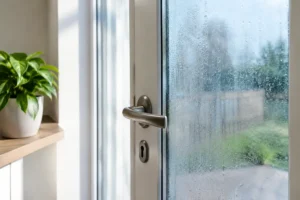
A broken pane is the clearest reason to act, particularly in a door opening where safety glass should be used. However, the signs are not always as obvious as a crack. Condensation or a cloudy appearance between the panes usually means the seal on a double-glazed unit has failed. Once that happens, the insulating gas has escaped and moisture has entered the unit, reducing its thermal performance and spoiling the view.
You may also notice cold spots close to the doors, persistent draughts, rattling glass or fading furnishings caused by excessive sunlight. These symptoms do not automatically mean the whole door needs replacing, but they do justify a professional assessment. Sometimes the fault lies with a worn gasket, damaged bead, failed glazed unit or poorly adjusted door rather than the glass alone.
If the frame is sound, operates smoothly and provides reliable security, replacing the sealed glass unit can be a practical solution. This is particularly common with patio doors that are relatively modern but have suffered accidental damage or unit failure.
Glass replacement versus a new patio door
Replacing the glass is usually the smaller project. The existing frame remains in place, and a correctly measured replacement unit is fitted into it. It can restore clarity and improve comfort without changing the appearance or configuration of the door.
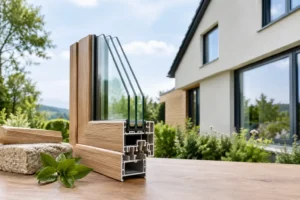
The trade-off is that new glass cannot solve every issue. Old uPVC frames can become distorted or brittle, timber may show signs of rot, and dated aluminium systems may lack the thermal break found in current products. If locks are unreliable, the threshold is worn, panels drag on the track or water enters around the frame, a glass-only repair may simply delay a wider replacement.
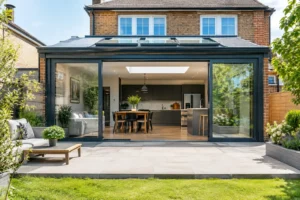
A complete upgrade makes more sense when you want to alter how the room works. A larger opening, slimmer sightlines, easier access to the garden or a more contemporary finish cannot be achieved by changing the glass alone. Modern aluminium sliding doors and bifold doors combine strong, slender frames with thermally efficient construction, allowing more light into kitchens, extensions and living spaces.
For example, a Smarts Visoglide Plus sliding door can suit homeowners who want broad glazed panels and uninterrupted garden views. A Smarts Visofold 1000 Bifold Door may be the better choice where opening up an entire wall for summer entertaining is the priority. Both options can be made to size and specified around the layout of the property.
Choosing the right replacement glass for patio doors
Not all glazing is interchangeable. Patio door glass must be specified for its position, dimensions and use, not simply selected because it appears similar to the existing pane. Door glazing generally needs toughened safety glass, which is designed to break into small, less hazardous pieces if it is damaged. In some situations, laminated glass may also be appropriate, particularly where enhanced security, acoustic control or protection from accidental impact is wanted.
Thermal efficiency and comfort
A double-glazed unit with a low-emissivity coating and an insulating gas-filled cavity helps reduce heat loss through the glass. This can make the room more comfortable near the doors, especially in a north-facing extension or a large open-plan kitchen where glazing covers a substantial area.
Triple glazing can offer further insulation, but it is not automatically the best specification for every patio door. It adds weight and can affect the overall sightline and cost. The performance of the frame, edge spacer, installation and door seals is just as relevant. A well-designed thermally broken aluminium door with high-performance double glazing can be an excellent fit for many UK homes.
Solar control and privacy
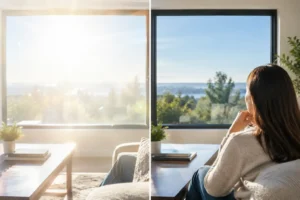
South- and west-facing doors can bring welcome daylight, but they can also cause uncomfortable glare and overheating in warmer months. Solar-control glass can reduce the amount of solar energy entering the room while retaining a bright appearance. It is worth considering where there is little external shading and large panes face direct afternoon sun.
Obscure glass may be useful for side passages or boundaries overlooked by neighbouring properties. Decorative options can provide privacy without losing all natural light, though they are more commonly used in smaller glazed sections than on the main garden-facing panels.
Security and acoustic performance
A replacement unit should work with the locking system and construction of the door, rather than being treated as a separate component. Toughened glass is a common choice, while laminated panes can add another layer of resistance because the interlayer helps hold broken glass together.
For homes close to a main road, rail line or busy neighbourhood, acoustic laminated glass can reduce outside noise. It will not remove sound completely, as gaps, vents and surrounding walls also transfer noise, but it can make a noticeable difference where glass is the weakest part of the elevation.
Accurate measuring matters more than it seems
A sealed unit has to fit the frame precisely. The visible size of the glass is not necessarily the size required, because the edges sit behind beads and within the glazing pocket. Thickness matters too: a unit that is too thin may not sit securely, while one that is too thick can put pressure on the frame or prevent the beads from engaging correctly.
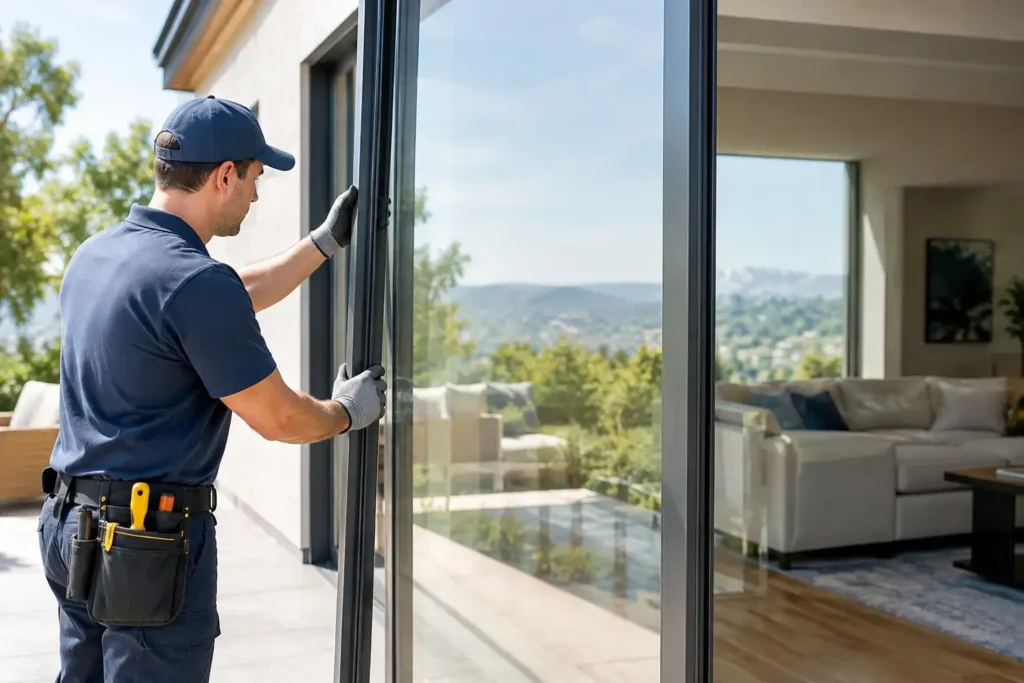
Specialist measuring is particularly valuable for sliding doors, large panes and older systems where replacement parts may be less straightforward. The installer should identify the existing glass specification, safety markings and spacer details before ordering. They should also inspect drainage routes and glazing packers, which support the glass in the correct position and help the door operate as designed.
Replacing only one failed pane may be possible, but consider whether adjacent units are the same age and likely to fail soon. Where several panels are cloudy or the doors feel dated overall, comparing the cost of multiple repairs against a full replacement can avoid spending twice.
Building Regulations and safe installation
Changes to glazing in doors must meet relevant safety and thermal requirements. A competent installer will understand where safety glass is required, how the replacement should be marked and what documentation may be needed. This is particularly important for doors with low-level glass, glazed side panels and large garden-facing installations.
For a straightforward replacement within an existing frame, the work may be relatively contained. If you are enlarging the opening, removing structural walls or fitting completely new external doors, the project can involve Building Regulations approval and structural considerations. The opening may need a new lintel or steel support, and drainage, floor levels and weathering details must be properly planned.
This is why a cheap glass swap is not always the value option. Good installation protects against water ingress, heat loss, difficult operation and premature failure – the issues that tend to cost more to correct later.
When an aluminium upgrade adds more value
If your existing patio doors are approaching the end of their serviceable life, modern aluminium systems offer a long-term alternative. Aluminium does not warp, swell or need regular repainting, and its strength supports slim frames and generous glazed areas. With a thermal break and energy-efficient glazing, it also delivers the insulation expected from a contemporary home improvement.
Bespoke doors allow you to choose the panel arrangement, opening direction, threshold, colour and hardware to suit the way you use the room. A low threshold can improve the transition to a patio, while multi-point locking and quality handles provide daily reassurance. Supply-only options can suit experienced renovators, while a full survey and installation service provides support from specification through to fitting.
Smarts Bifold Doors can help homeowners compare replacement glazing with made-to-measure aluminium patio door solutions, including nationwide supply and installation. A clear quotation based on the condition of the existing doors and the performance you want will make the decision far easier.
Before committing to replace patio glass, look beyond the failed pane. If the frame, seals, locks and layout still serve the home well, a carefully specified unit may be all that is needed. If they do not, new doors can turn a necessary repair into a brighter, warmer and more usable connection to the garden.