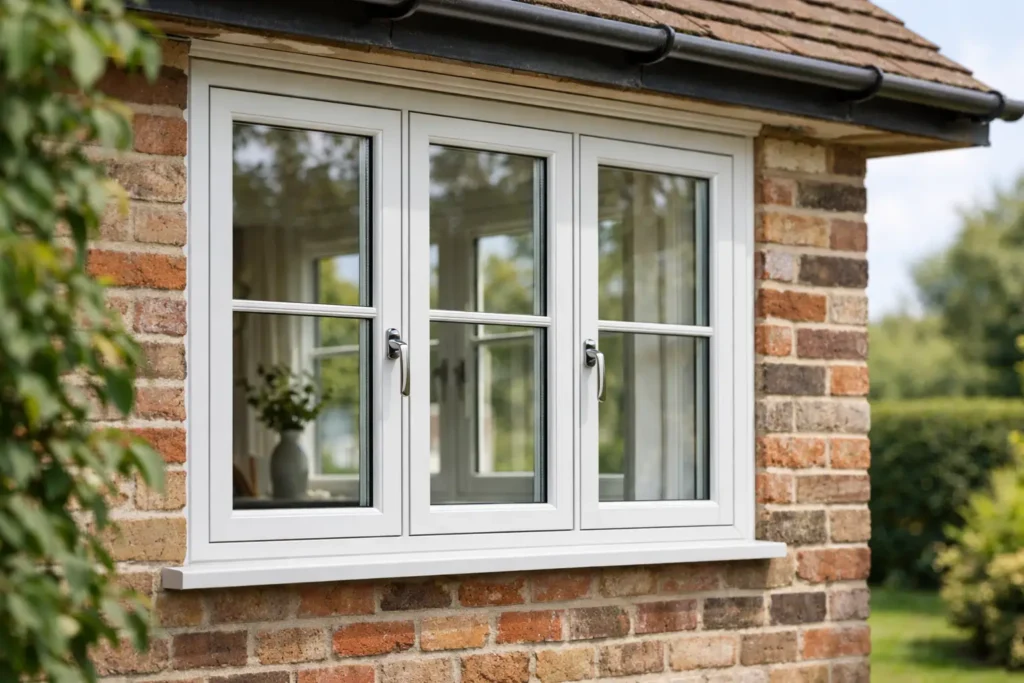
If you have been comparing replacement windows and keep seeing the term what are flush casement windows, the quickest answer is this – they are windows where the opening sash sits level within the outer frame, rather than overlapping it. That gives a flatter, cleaner finish from the outside and a neater overall appearance that suits both period-style homes and more contemporary renovations.
It sounds like a small detail, but visually it makes a real difference. Standard casement windows usually have a lipped or stepped look because the opening part projects slightly proud of the frame. Flush casement windows are designed to sit in line with the frame instead, creating a more refined profile.
What are flush casement windows and why do people choose them?
Flush casement windows are side-hinged or top-hinged windows with a sash that closes flush into the frame. Historically, this look was associated with traditional timber joinery, which is why flush designs are often chosen for cottages, heritage-style properties and houses in conservation-minded settings. Today, they are also popular in aluminium systems because homeowners want slim sightlines, clean geometry and a more architectural finish.
The appeal is not just about style. Many homeowners choose flush casement windows because they want their property to feel updated without looking harsh or overly commercial. A flush design can bridge that gap. It has enough character for older homes but still feels crisp and modern when specified in aluminium.
For renovation projects, that balance matters. You may want to replace dated white uPVC windows with something stronger, more secure and more visually considered, but without making the front elevation look out of place. Flush casement windows often solve that problem well.
How flush casement windows look compared with standard casements
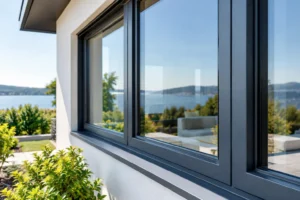
The main difference is in the way the sash meets the frame. On a standard casement, the sash usually sits proud, creating more depth and shadow lines. On a flush casement, the sash tucks neatly into the outer frame so the face of the window appears flatter.
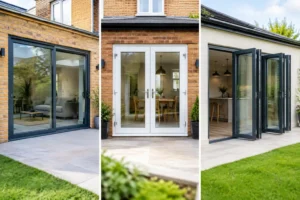
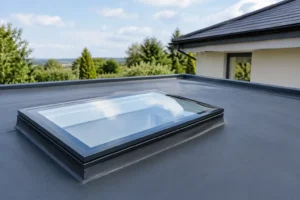
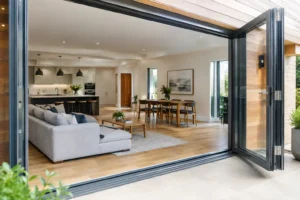
That simpler frontage tends to create a smarter, more deliberate look. On a modern extension, it can complement other glazing products such as slim sliding doors, roof lanterns or bifold doors without competing for attention. On a traditional home, it can give a more authentic appearance than a bulky modern window profile.
This is also where material choice comes into play. Aluminium flush casement windows can deliver a particularly sharp finish because the frames are strong and slim. Products such as Smarts Alitherm 400 Windows and Cortizo Casement Windows are often considered by homeowners who want that cleaner sightline along with reliable thermal performance and security.
Are flush casement windows only for traditional homes?
Not at all. This is one of the biggest misconceptions.
Flush casement windows are often marketed with heritage styling, and they certainly work well in older properties, but they are equally suited to modern homes. In fact, many contemporary renovation projects use flush windows because they look more streamlined than chunkier alternatives.
It depends on the detail. If you choose traditional bar layouts, classic hardware and softer colours, flush casement windows can echo period joinery. If you go for slimmer aluminium frames, larger panes and darker finishes, the same basic window style can look very modern.
That flexibility is one of their strongest selling points. They do not lock you into one design direction.
Performance matters as much as appearance
A window should never be chosen on looks alone. For most homeowners, energy efficiency, security and durability matter just as much as the visual finish.
Modern flush casement windows can perform very well when they are properly manufactured and correctly installed. Aluminium systems with a thermal break, combined with energy efficient glazing, help reduce heat loss and support a more comfortable indoor environment. This is particularly useful in kitchen extensions, open-plan living areas and rooms with a lot of glass, where temperature balance can otherwise become a concern.
Security is another key point. Good quality flush casement windows are typically fitted with multi-point locking systems, strong hinges and secure hardware as standard. That means you do not have to trade a slimmer appearance for peace of mind.
Durability is where aluminium becomes especially attractive. Unlike timber, it does not require the same level of regular upkeep, and unlike lower-grade alternatives, it resists warping, rotting and swelling. For homeowners planning a long-term investment, that lower maintenance burden can be a deciding factor.
What are the trade-offs with flush casement windows?
No window style is right for every property, and it is worth being clear about that.
The first trade-off is cost. Flush casement windows, particularly in aluminium, can cost more than more basic window options. The extra outlay often reflects better materials, stronger hardware, more precise manufacturing and a more premium appearance. For many homeowners, the long-term value justifies that spend, but it is still a budget consideration.
The second is styling suitability. While flush windows are versatile, not every house needs them. Some properties suit a more conventional casement profile, especially if you are matching existing windows elsewhere in the home. Consistency across the elevation matters.
There is also the specification question. Not all flush casement windows are equal. Sightlines, frame depth, glazing options and opening configurations vary between systems. A flush look on its own does not guarantee better performance. The product behind the design still matters.
Where flush casement windows work best in the home
Flush casement windows are especially effective where you want a window to feel tidy, balanced and unobtrusive.
At the front of the property, they can improve kerb appeal without making the house look overworked. In rear extensions, they pair well with larger glazed elements such as the Smarts Visoglide Plus sliding door or a set of aluminium bifold doors, helping create a joined-up design language across the project. In upstairs bedrooms and bathrooms, they can provide a clean external finish while still offering practical ventilation.
They also work well in properties where the owners want more light but do not want overly heavy framing. Depending on the chosen system, you can achieve slim sightlines and generous glass areas while keeping the overall look understated.
How to know if they are right for your project
The best question is not simply what are flush casement windows, but whether flush casement windows suit your home, your budget and your priorities.
If you want a window that looks smarter than a standard bulky replacement, works across both classic and modern styles, and offers strong long-term performance, they are well worth considering. If your priority is the absolute lowest upfront cost, they may not be the first option you explore.
Think about the wider project too. If you are already investing in contemporary glazing such as roof lights, sliding doors or bifolds, flush casement windows can help carry that higher-end finish through the rest of the property. If you are replacing windows one elevation at a time, you will need to consider how the new style sits alongside anything that remains.
This is where expert guidance makes a difference. The right choice usually comes down to proportion, configuration, colour, glazing specification and installation quality rather than one headline feature.
Flush casement windows in aluminium
For many UK homeowners, aluminium is what makes flush casement windows particularly appealing. It gives you a sharper, more modern frame, excellent strength and dependable longevity, while still allowing the window to feel elegant rather than heavy.
That can be especially valuable in renovation and extension work where larger openings, cleaner lines and better thermal performance are high on the list. A well-specified aluminium system can sit comfortably alongside other premium glazing products and help create a cohesive finish across the home.
For a company like Smarts Bifold Doors, that combination of appearance, durability and practical performance is exactly why flush-style aluminium windows continue to attract interest from homeowners looking for more than a basic replacement.
If you are weighing up new windows, flush casements are often the option that quietly improves everything at once – the look from the pavement, the feel inside the room, and the confidence that you have chosen something built to last.