
A cold spot by the back doors can undo the comfort of an otherwise well-insulated room. If you are planning an extension, replacing dated glazing or opening up a kitchen to the garden, thermally efficient patio doors deserve proper attention from the start.
The right door system does more than look smart. It helps keep warmth where it belongs, reduces draughts, supports lower energy bills and makes everyday living more comfortable through every season. For many homeowners, that matters just as much as sightlines, colour choices or how wide the opening feels on a summer afternoon.
What makes patio doors thermally efficient?
Thermal efficiency comes down to how well the whole door system resists heat transfer. That includes the frame, the glass, the seals and the quality of the installation. A patio door is only as good as its weakest point, so it is worth looking beyond the headline claims.
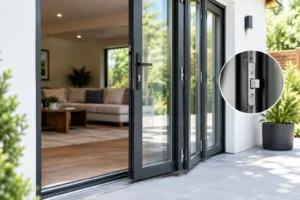
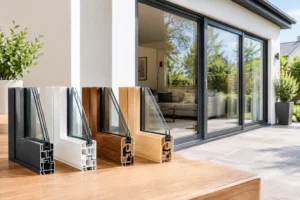
With aluminium patio doors, the key feature is the thermal break. Aluminium is strong, slim and durable, but it naturally conducts heat. A thermal break places a non-conductive barrier within the frame to reduce that transfer. Combined with energy efficient glazing, this allows modern aluminium doors to deliver the contemporary look many homeowners want without sacrificing performance.
Glass specification also plays a major part. Double glazing with low-emissivity coatings, warm edge spacer bars and argon-filled units can all improve insulation. In some homes, triple glazing may be considered, but it is not automatically the best option. It can add weight and cost, and in many domestic settings a well-specified double glazed system gives the right balance of efficiency, practicality and value.
Then there are the details that often get overlooked – weather seals, gaskets, threshold design and manufacturing quality. These are the features that help stop unwanted air leakage and keep the doors performing consistently over time.
Why thermally efficient patio doors matter in real homes
The biggest benefit is comfort. A well-made door should not leave the area around it feeling noticeably colder than the rest of the room. If your dining table sits near the patio doors, or your kitchen island faces the garden, you will feel the difference every day.
Energy performance matters too, especially in larger glazed openings. Patio doors bring in natural light and create a stronger link to the garden, but more glass means specification matters. Choosing a thermally efficient system helps you enjoy the visual impact of large glazed doors without accepting avoidable heat loss as the trade-off.
There is also the question of condensation. While no glazing system can override poor ventilation in a home, better insulated frames and glazing can help reduce the cold surface temperatures that encourage condensation to form.
For renovation and extension projects, thermal performance can also affect compliance with Building Regulations. That makes product choice more than a style decision. It becomes part of making sure the whole project is fit for purpose.
Bifold or sliding – which performs better?
This depends on the system rather than the broad category alone. Both bifold and sliding patio doors can offer strong thermal performance when they are properly designed and manufactured.
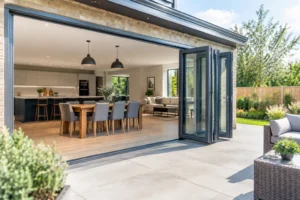
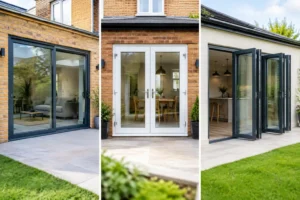
Bifold doors are popular because they can open up a whole elevation and create a clear connection between indoors and out. Modern systems such as Smarts Visofold 1000 Bifold Doors, Schuco ASFD75 Bifold doors and Cortizo Bifold Plus combine slim aluminium profiles with thermal break technology and energy efficient glazing. That means you no longer have to choose between opening width and insulation in the way many older systems forced you to.
Sliding doors appeal for a different reason. They offer large panes of glass, clean lines and minimal visible framing, which can be ideal when the priority is uninterrupted garden views and maximum daylight. High-performing systems such as the Smarts Visoglide Plus sliding door, Schuco ASE80 Sliding Door and Cortizo COR Vision Plus Sliding Door are designed to deliver slim aesthetics while maintaining strong thermal values.
If your priority is the widest possible opening, bifolds may suit you better. If you want larger fixed glass areas and fewer frame lines, sliding doors often come out ahead. Thermally, either can work well. The important point is to compare the actual system specification, not just the door style.
How to compare thermally efficient patio doors properly
The simplest mistake is to compare products on appearance alone. Two aluminium patio doors may look similar in a brochure, yet perform very differently in everyday use.
Start with whole-door performance rather than just centre-pane glass values. Ask how the complete system performs, including frame and glazing together. A door with excellent glass but a less capable frame may not deliver the result you expect.
Next, consider the frame design. Slim frames are attractive, but good engineering matters. The best systems are designed to balance narrow sightlines with insulation, weather resistance and structural integrity. That is especially important for wider openings and exposed elevations.
You should also ask about glazing options. South-facing rooms with lots of sun may need a different approach from a shaded rear extension. Thermal performance is important, but so is solar gain. In some cases, the ideal glass specification is the one that keeps heat in during winter without making the room uncomfortable in warmer months.
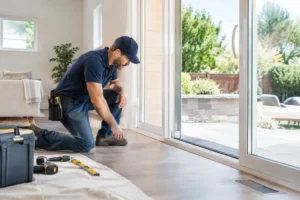
Installation deserves equal attention. Even a well-specified door can underperform if it is poorly fitted, badly sealed or installed into an opening that has not been properly prepared. That is one reason many homeowners prefer to work with an experienced specialist rather than buying on price alone.
Design choices that affect performance
Not every thermal decision is obvious at first glance. Thresholds, panel sizes and opening configurations can all influence how the doors perform and how they feel to live with.
A flush, low threshold can improve access and create a neater transition to the garden, which is particularly useful in family homes and for anyone thinking long term about accessibility. But threshold choice should still support weather protection and practical use. The best solution often depends on where the doors are located and how exposed the opening is.
Panel size matters too. Larger panels can look impressive and make the most of a garden view, but they need the right system behind them. Bigger panes mean more weight, and that affects rollers, hardware and frame design. A specialist will help match your preferred look with a system that can deliver it reliably.
Colour and finish also play a part in the final result, if not the thermal performance itself. Anthracite grey remains popular, but aluminium allows far more flexibility, including black, white, dual colours and textured finishes. The benefit is that you can choose doors that feel architecturally right for the property without being boxed into a standard look.
Where aluminium patio doors fit best
Aluminium is often the strongest choice for homeowners who want slimmer frames, larger glazed areas and a more contemporary finish. It suits rear extensions, kitchen diners, garden rooms and renovation projects where light is a priority.
It is also a practical material for busy households. Aluminium does not warp like timber can, and it offers excellent durability with relatively low maintenance. When combined with modern thermal break technology, it gives homeowners a dependable way to improve style and performance at the same time.
That balance is why systems from experienced manufacturers remain popular in the UK market. For homeowners comparing options, the aim is rarely just to buy a door. It is to create a room that feels warmer in winter, brighter all year and more connected to the garden without compromising on security or finish.
Making the right choice for your project
The best patio doors are the ones that suit your home as a whole. A compact opening in a standard kitchen extension may call for a different solution from a wide-span renovation with open-plan living. Budget matters, but so do the long-term gains in comfort, appearance and day-to-day use.
If you are comparing quotations, look closely at what is included. Bespoke sizing, glazing specification, hardware quality, installation standards and aftercare all affect value. A cheaper quote can become expensive if the product is under-specified for the space.
For homeowners who want a tailored solution, Smarts Bifold Doors offers both supply-only and installation options, which can be useful whether you are managing your own project or want the reassurance of a full service. The main thing is to choose a system with proven thermal performance, made to suit the opening rather than forced into it.
Good patio doors should make a room feel better the moment the weather turns. When warmth stays in, light still pours through and the garden remains part of the view, you know you have chosen well.