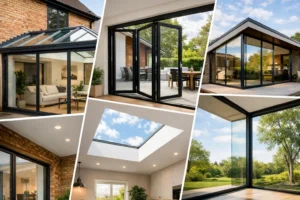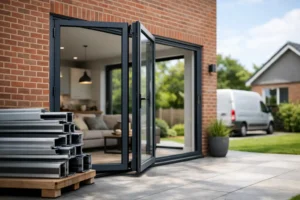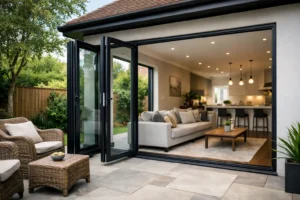
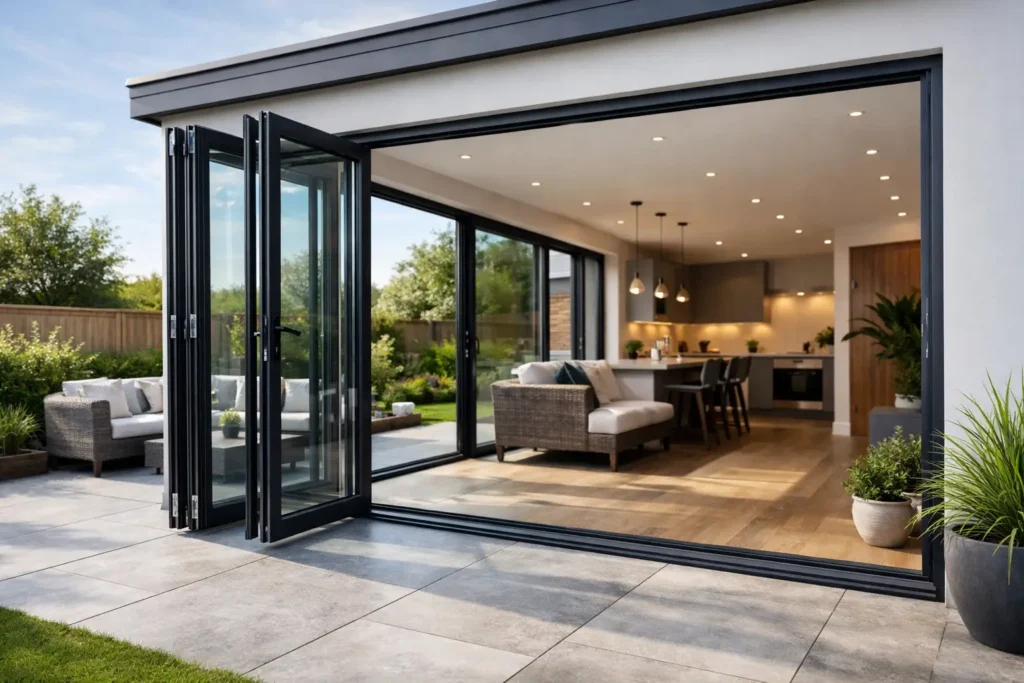
When an extension is nearly finished, the doors tend to become the decision that suddenly feels bigger than expected. Get them right and the whole room feels brighter, wider and more connected to the garden. Get them wrong and even a well-designed extension can feel heavy, awkward or colder than it should. That is why choosing the best bifold doors for extensions is not simply about appearance – it is about how the space will work every day.
What makes the best bifold doors for extensions?
For most homeowners, the best option is an aluminium bifold door system that combines slim sightlines, dependable thermal performance, secure locking and enough configuration choice to suit the opening properly. Extensions are rarely standard sizes, and that matters. A door that looks excellent in a showroom may not be the right fit for a wide kitchen opening, a side-return extension or a room where furniture placement limits traffic flow.
The strongest choices usually come down to four things. First, the frame needs to be strong enough to support larger panes without bulky profiles. Secondly, the system should include a proper thermal break and energy efficient glazing so the extension remains comfortable through the year. Thirdly, security needs to be built in as standard, not treated as an upgrade. Finally, the door needs to be made to order, because threshold detail, leaf arrangement and opening direction all affect how usable the finished space feels.
That is why aluminium continues to lead the market for modern extensions. It gives you clean lines, long-term durability and the structural strength needed for bigger glazed areas.
Why aluminium bifolds suit extensions so well
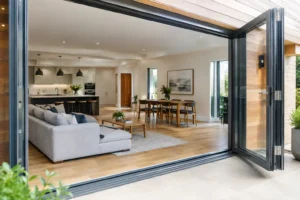
Extensions are usually designed to bring in more daylight and improve the relationship between the house and the garden. Aluminium bifold doors do both particularly well because they allow wide openings while keeping the frame relatively slim. In a kitchen extension or rear living space, that makes a visible difference to both the amount of glass and the overall finish.
There is also a practical side to aluminium that often matters more after installation than it does during the buying stage. It is stable, low maintenance and well suited to the British weather. Powder-coated finishes are durable, and quality systems are available in a wide range of colours, from straightforward anthracite grey to more individual internal and external combinations.
The other major advantage is flexibility. If your extension needs three panels, five panels, a traffic door, a low threshold or a specific stacking arrangement, aluminium systems tend to offer more tailored solutions than off-the-shelf alternatives.
Choosing the right system for your extension
Not every bifold door is designed with the same priorities. Some systems are ideal for straightforward domestic extensions where value and clean sightlines matter most. Others are aimed at higher-spec projects where larger openings, stronger thermal performance or a more premium architectural finish are the priority.
For many homeowners, Smarts Visofold 1000 Bifold Doors are a strong all-round choice. They suit a wide range of extension styles and offer the balance most domestic buyers are actually looking for – slim aluminium frames, reliable operation, good thermal performance and flexible panel options. In practical terms, that means they work well in typical rear extensions where the goal is to open the room up without overcomplicating the project.
Smarts Visofold 6000 Bifold Doors can also be attractive where the design calls for a more refined system detail. If the extension has a strong contemporary focus and glazing is central to the look of the space, a more advanced aluminium system may be worth considering.
For premium projects, Schuco ASFD75 Bifold doors and ASFD90.Hi Bifold Doors are often considered by homeowners who want very strong thermal credentials and a high-end finish. These systems can be particularly relevant for larger extensions, architect-led renovations or homes where the glazing specification is being matched across doors, windows and fixed screens.
Cortizo Bifold Plus offers another strong aluminium option, especially for homeowners who want modern styling with solid performance across security, operation and insulation. Origin OB36 Bifold Doors and Origin OB49 Bifold Doors may appeal where bespoke manufacturing, finish choices and system styling are key buying factors.
The best choice depends on the opening size, the level of specification you want and the wider design of the extension. A modest family kitchen extension does not always need the same system as a large open-plan rear addition with roof lanterns and feature glazing.
The layout matters as much as the frame
One of the biggest mistakes people make is focusing only on the product name and not enough on configuration. The best bifold doors for extensions are the ones that fit the way you will move through the room.
A three-panel bifold can work very well on smaller openings, but it will stack differently from a four- or five-panel arrangement. If you want a clear route into the garden without folding back every panel, a traffic door can make daily use much easier. If your extension opens onto a patio that sits flush with the floor, threshold choice becomes especially important.
This is where expert guidance pays for itself. The ideal setup depends on where the dining table will go, where the kitchen island sits, whether the doors open in or out and how much wall space remains for furniture. A beautifully made door can still feel inconvenient if the stack sits in the wrong place or interrupts the room layout.
Thermal efficiency and year-round comfort
Extensions with lots of glazing need to work in January, not just in July. A bifold door should help create a room that feels comfortable through the seasons, and that comes down to frame design, thermal break technology and the glazing specification.
Good aluminium bifolds now offer much better insulation than many homeowners expect. Systems with a thermal break and quality double or triple glazing can significantly reduce heat loss compared with older-generation doors. That matters if the extension includes a large kitchen-diner or family room where you spend much of the day.
It is worth being realistic, though. Any highly glazed elevation behaves differently from a solid wall. The aim is not to pretend doors have no thermal trade-offs, but to choose a system that performs well enough to support a warm, efficient extension. In most domestic settings, a quality aluminium bifold with the right glass specification will achieve exactly that.
Security should come as standard
Rear extensions often create a large opening at the back of the property, so security is naturally a major concern. The better bifold door systems combine strong aluminium profiles, multi-point locking, secure cylinders and tested hardware. This is one area where cheaper products can look similar on paper but feel very different in use.
A well-made system should open smoothly, close squarely and lock with confidence. Top-of-the-range security is not just about certification – it is also about build quality, installation accuracy and hardware that stands up to regular use.
For homeowners, reassurance matters. If the extension is going to become the main family space, the doors need to feel secure every day and dependable over the long term.
Should you choose bifolds or sliding doors?
This is the question that often comes up once people start comparing products seriously. Bifolds are ideal if your priority is opening up as much of the aperture as possible. For entertaining, summer use and that clear inside-outside feel, they are hard to beat.
Sliding doors can be the better choice if you want larger panes and fewer vertical frame lines when the doors are closed. Systems such as the Smarts Visoglide Plus sliding door, Schuco ASE60 Sliding Door, Schuco ASE80 Sliding Door, Cortizo COR Vision Sliding Door and Cortizo COR Vision Plus Sliding Door are worth considering on wider openings where uninterrupted glass is the main aim.
So if you are searching for the best bifold doors for extensions, it is worth checking first that bifolds are actually the right door type for the room. If the family wants a broad opening to the garden, bifolds are often the right answer. If the priority is a picture-like glazed wall with minimal sightlines, sliding doors may suit the extension better.
Bespoke details make the finished result
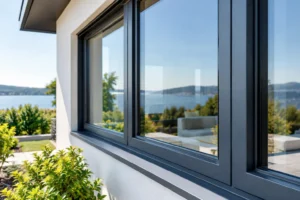
The details that seem minor during specification often define the final look. Colour choice, handle finish, cill design, threshold height and whether the doors match adjacent glazing all shape how polished the extension feels once complete.
This is especially true if the project includes matching products such as Smarts Alitherm 400 Windows, Cortizo Casement Windows, Schuco AWS80SC Casement Windows or Cortizo Hidden Sash Windows. Coordinating the glazing across the extension usually creates a more considered architectural result than treating each element separately.
A made-to-measure approach also gives you more control over practical issues, from ventilation and access to sightlines across the garden. That is one reason many homeowners prefer specialist suppliers rather than generalist retailers.
What to look for before you ask for a quote
Before requesting prices, it helps to know your approximate opening width, preferred number of panels, whether you want the doors opening in or out, and whether a traffic door is important. Think about floor levels as well, especially if level access to the patio matters.
It is also sensible to ask who is measuring, who is installing, what guarantees are included and whether the doors are being manufactured to suit current Building Regulations. If you are managing your own build, supply-only may suit you. If you want a simpler process, a full installation service can remove a lot of uncertainty.
For homeowners comparing systems, clarity matters more than jargon. The right supplier should be able to explain why one system suits your extension better than another, rather than simply pushing the most expensive option.
A good extension deserves doors that do more than fill an opening. They should bring in light, make the room easier to live in and feel right every time you slide back the stack and step outside. If you choose with the layout, performance and everyday use in mind, the right bifold doors will make the whole extension work harder.