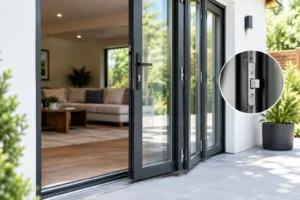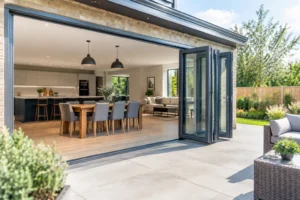

If you are pricing up an extension or replacing old patio doors, bifold doors installed cost is usually one of the first figures you want clear. And rightly so – the final price can vary by several thousand pounds depending on opening size, frame material, glazing specification, threshold choice and how straightforward the installation is.
For most UK homeowners, aluminium bifold doors supplied and fitted tend to sit comfortably above the cost of standard French doors, but often below the larger premium sliding door systems people compare them with. What you are paying for is not only the door itself, but the made-to-measure design, the glass, the hardware, the site survey, the fitting work and the confidence that the finished opening will perform properly over time.
What is the typical bifold doors installed cost?
As a realistic guide, many homeowners will see bifold door installation costs starting from around £3,000 to £4,500 for smaller aluminium sets, rising to £5,000 to £8,000 for more common family-home configurations, and moving beyond that for larger, more complex or more highly specified systems.
That is a useful starting point, but it should never be taken as a fixed rule. A three-panel set for a modest kitchen opening is a very different proposition from a six or seven-panel arrangement spanning the full width of an extension. The more glass, frame, ironmongery and labour involved, the more the cost rises.
If you are comparing quotes, the key is to make sure they cover the same scope. One quote may include survey, delivery, installation, trim work and disposal of old doors, while another may only cover the door set and basic fitting. A lower headline figure is not always the better value once you look at the detail.
What affects bifold doors installed cost most?
The biggest factor is size. Wider openings need more panels, more aluminium, larger glazed units and more time on site. Even a small increase in overall width or height can push the cost up noticeably, particularly if your design moves from a three-panel configuration to four panels or more.
The system you choose also matters. Premium aluminium systems such as Smarts Visofold 1000 Bifold Doors, Smarts Visofold 6000 Bifold Doors or Schuco ASFD75 Bifold doors are built for strength, thermal performance and long-term reliability, but they do not all sit at the same price point. Slim sightlines, stronger profiles, upgraded rollers and higher-performance thresholds can all influence the final figure.
Glazing specification is another major part of the price. Double glazing is standard for many domestic projects, but glass performance still varies. Solar control glass, enhanced acoustic glazing, tougher safety glass in specific locations and more energy-efficient sealed units can all add cost. In many homes, that extra spend is worthwhile, especially where the doors face strong sun or where comfort through the seasons matters as much as appearance.
Colour and finish can change the budget too. Standard colours are often the most cost-effective, while dual colours, specialist powder-coated finishes and certain textured options may cost more. Hardware choices, including handle finish and security upgrades, can also shift the price, although these changes are usually modest compared with the effect of size and installation complexity.
Installation costs are not just labour
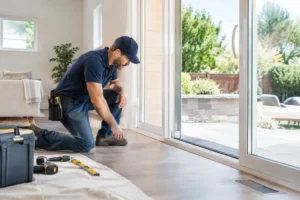
When homeowners ask about installation, they often think only about the fitter’s time. In practice, proper installation includes far more than that. A professional fitting service usually starts with an accurate survey, because bifold doors must be manufactured to suit the opening precisely. Too little care at survey stage can lead to delays, remedial work or poor operation later on.
The condition of the opening is just as important. If the aperture is square, the structural support is already in place and access is good, fitting is usually more straightforward. If the installer needs to deal with uneven reveals, restricted access, making good around the frame or coordinating around a newly formed extension opening, labour time and complexity increase.
This is one reason why supply-only prices and fully installed prices can look quite different. For experienced renovators or trade-led projects, supply-only can make sense. For many homeowners, though, a full installation package offers better reassurance because survey, manufacture, fitting and compliance are being handled together.
Why aluminium usually costs more – and why many homeowners still choose it
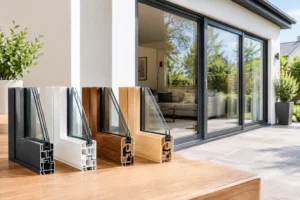
If you have looked at other materials, you will have noticed aluminium bifold doors tend to cost more than basic uPVC alternatives. That price difference comes from the material itself and what it allows the product to do.
Aluminium frames are strong, which means they can support larger glazed areas with slimmer sightlines. That matters if your goal is to bring more natural light into the room and create a cleaner, more contemporary finish. It also helps with durability. A well-made aluminium bifold door system is designed to cope with frequent use, changing weather and larger panel sizes without the bulky appearance some homeowners want to avoid.
Thermal efficiency matters too. Modern aluminium systems with a thermal break and energy efficient glazing perform far better than older metal doors people may remember from years ago. So while aluminium may ask for a higher upfront investment, many homeowners see it as the better long-term choice for appearance, performance and value.
Cost differences between panel configurations
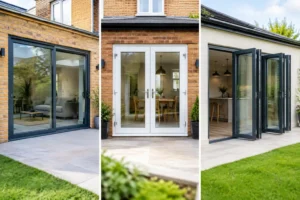
Panel count has a direct effect on price because each extra panel adds frame, glass, hardware and installation time. A three-panel bifold is often one of the most economical routes into aluminium bifold doors. Once you move to four, five or six panels, the cost rises not only because there is more product, but because the configuration itself becomes more complex.
Traffic door options can affect the price as well. Some homeowners want a single everyday access leaf so they do not need to fold back the whole set each time they step into the garden. That can be a practical upgrade, particularly for family homes, but it may slightly increase the overall cost depending on the system and layout.
Threshold choice matters in a similar way. A low threshold can improve accessibility and create a neater transition between inside and outside, but there may be performance and detailing considerations to balance, especially where weather exposure is higher. The right answer is not always the cheapest one – it is the one that suits the opening and the way the space will be used.
Are cheaper quotes worth it?
Sometimes, yes. Often, not in the way people hope.
A competitive quote can be good value if it comes from a specialist using a well-proven system and a clear installation process. The problem comes when a low price is achieved by stripping out important elements – weaker hardware, lower specification glazing, limited finish options, less experienced fitting teams or vague allowances for site work.
With bifold doors, poor installation can undo the value of a good product very quickly. Doors that do not align properly, drag in use, let in draughts or fail to lock cleanly are rarely a bargain. This is why homeowners comparing prices should ask what system is being quoted, what glazing is included, whether survey and fitting are included, and who is responsible for compliance with current Building Regulations.
When it makes sense to spend more
Not every project needs the most premium specification available. But there are areas where spending a little more usually pays back in performance and day-to-day satisfaction.
A better-quality system often gives you smoother operation, slimmer frames and stronger thermal performance. Upgraded glazing can make a noticeable difference in comfort, especially in south-facing rooms or open-plan kitchen extensions with large areas of glass. Better hardware and locking systems bring reassurance as well as a more solid feel in use.
It can also be worth spending more on a specialist installer rather than choosing purely on price. Accurate surveying, careful fitting and proper finishing have a huge influence on how the doors look and perform. In a product designed to open up your home and frame the garden, those details matter.
Bifold doors vs other door options on cost
Bifolds are not the only route to a wide glazed opening. Some homeowners comparing budgets will also look at sliding doors, especially for larger expanses of glass. Systems such as the Smarts Visoglide Plus sliding door or Cortizo COR Vision Sliding Door can be an attractive alternative where uninterrupted views matter more than creating a fully opened corner or broad access point.
In some cases, a sliding system may cost more than bifolds, particularly at the premium end. In others, the price difference may be closer than expected. The decision often comes down to how you want the opening to function. Bifolds are ideal when you want to fold the panels back and open up a large part of the wall. Sliding doors are often preferred when you want bigger panes and fewer vertical sightlines.
For many family homes, bifolds remain the practical middle ground between everyday usability, strong visual impact and a price that still feels proportionate to the wider renovation budget.
Getting an accurate price for your home
The only reliable way to pin down bifold doors installed cost is to base it on your exact opening, preferred configuration and installation requirements. General price ranges are helpful for early budgeting, but they cannot account for all the details that shape the final figure.
If you are at the planning stage, it helps to know your approximate opening size, the number of panels you are considering, whether you want the doors to open in or out, and any finish preferences you already have in mind. A specialist can then steer you towards a door system that suits both the design of the room and the level of investment you are comfortable with.
At Smarts Bifold Doors, that conversation is about more than quoting a number. It is about matching the right aluminium bifold solution to your home, so the doors look right, perform properly and feel worth the investment every time you open them.
A well-chosen bifold door should not simply fit the opening – it should improve how the whole room feels and works for years to come.