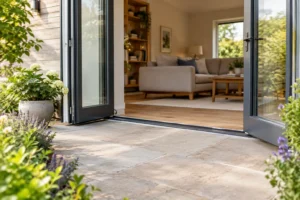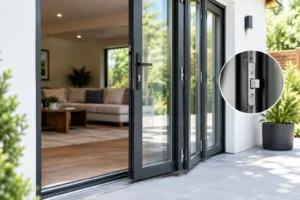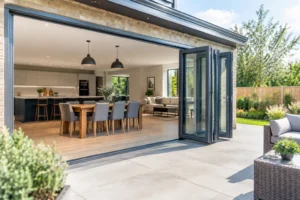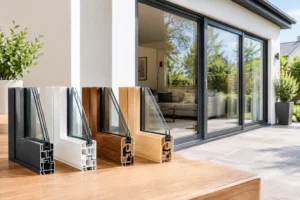

A smart-looking set of bifold doors can transform a kitchen extension, but the product itself is only half the story. When you are spending thousands on glazing, frames and installation, the real question is whether the company behind it gives you proper protection if something goes wrong. That is where a consumer protection association becomes relevant, especially for homeowners comparing quotes for doors, windows and roof glazing.
For most people, this is not about legal theory. It is about confidence. If you are replacing tired patio doors, opening up the back of your home with aluminium bifolds, or fitting new windows as part of a wider renovation, you want to know your deposit is handled properly, the guarantees mean something, and there is a route to support if a dispute arises. Those details matter just as much as sightlines, glazing options and colour choices.
What is a consumer protection association?
A consumer protection association is generally an organisation that sets standards for member businesses and helps protect customers when they buy products or services. In the home improvement sector, that often means providing a framework around deposits, insurance-backed guarantees, vetting, complaints handling or dispute resolution.
That sounds straightforward, but the detail matters. Not every organisation offers the same level of cover, and not every badge on a website means the same thing. Some schemes focus heavily on workmanship standards. Others are stronger on financial protection. Some are limited to certain types of work or certain stages of the buying process.
For a homeowner, the value is practical rather than abstract. You are not joining the association yourself. You are checking whether the company you buy from is part of a recognised scheme that adds an extra layer of reassurance beyond the sales promise.
Why a consumer protection association matters in home improvement
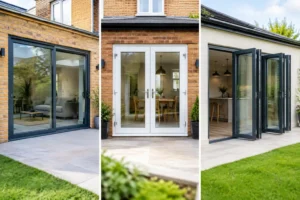
Home improvement projects have more moving parts than many people expect. A new set of Smarts Visofold 1000 Bifold Doors or a Smarts Visoglide Plus sliding door may be made to measure, powder coated to your chosen finish and designed around your opening, but the end result still depends on survey accuracy, manufacturing standards, delivery, installation and aftercare.
That is why protections matter. Bespoke products are rarely off-the-shelf purchases, and once manufacturing starts, changes can be difficult or expensive. If there is a problem, homeowners need clarity on what happens next.
A credible protection framework can help reduce risk in three areas. First, financial risk, particularly where deposits are involved. Secondly, workmanship and product confidence, because membership schemes often require businesses to meet defined standards. Thirdly, dispute support, giving customers a more structured route if a problem cannot be resolved directly.
This does not mean a member company will never make a mistake. It means there is a clearer process, and in many cases a higher level of accountability.
What to look for before you buy
When you are choosing a supplier or installer for doors and glazing, it helps to look past the headline price. A low quote can be attractive, but if it comes with weak guarantees, unclear terms or no real backup, it may prove expensive later.
Start by asking what protection is actually in place. Is the deposit protected? Is there an insurance-backed guarantee? What happens if the installer stops trading? How are complaints handled? A reputable business should be able to answer those questions plainly, without hiding behind vague wording.
It is also worth checking whether the company works to recognised standards and understands Building Regulations. With aluminium systems, thermal performance, safety glazing, ventilation requirements and security all need proper attention. If you are comparing products such as Origin OB36 Bifold Doors, Schuco ASE80 Sliding Door or Smarts Alitherm 400 Windows, the product specification is important, but so is the competence of the business specifying and fitting them.
The strongest firms tend to be open about the whole process. They explain how surveys are carried out, how lead times work, what is included in the quotation and what support you can expect after installation. That level of transparency is often a better indicator of reliability than any single logo.
Not all protection is equal
This is where homeowners need a bit of caution. A consumer protection association can be useful, but it is not a shortcut that replaces proper due diligence.
Some customers assume that membership of any trade body or association means every aspect of the project is guaranteed. That is not always the case. One scheme might protect your deposit but not cover every installation dispute. Another may offer a complaint route but only if certain conditions are met. The small print matters.
It also depends on whether you are buying supply-only products or a full installation service. If you are an experienced renovator ordering bespoke aluminium doors for your builder to fit, the protection arrangement may differ from a package where the same company surveys, supplies and installs. A supply-only purchase naturally shifts more responsibility onto the buyer and the fitting team on site.
That does not make supply-only a poor option. In many projects, it is the right one. But it does mean you should be especially clear on where liability sits if there is a problem with dimensions, handling, storage or installation quality.
How protection fits with bespoke glazing
Bespoke home improvement products are different from standard retail purchases. If you choose slim aluminium frames, a low threshold, triple-track sliding configuration, specific hardware finishes and energy-efficient glazing, your order is being tailored to your home and your brief.
That is a major advantage because you get a better result. You can create wider openings, maximise natural light and match the overall design of your renovation. Products such as Cortizo Bifold Plus, Origin OB49 Bifold Doors and Cortizo Hidden Sash Windows appeal precisely because they offer that flexibility.
But custom-made products also require a reliable process from first enquiry to final handover. Measurements must be right. Specifications must be agreed. Structural openings need to be understood. Glass choices should be suitable for the room, orientation and performance target. Consumer protection matters here because bespoke orders leave less room for error than generic products.
For that reason, the best buying experience usually comes from companies that combine protection, technical knowledge and clear communication. One without the others is rarely enough.
Questions worth asking your installer or supplier
If you want to judge a company properly, ask direct questions and listen carefully to the answers. You should understand whether the guarantee is insurance-backed, whether the products meet current standards, and who is responsible for each part of the job.
You should also ask how issues are handled after completion. A dependable specialist will not treat aftercare as an afterthought. They will explain who to contact, how snagging is dealt with and what the process looks like if an adjustment is needed.
It is equally sensible to ask about experience with products similar to yours. Fitting a standard replacement window is not the same as installing large-format bifolds in a newly knocked-through rear extension. The larger and more design-led the installation, the more important practical expertise becomes.
The role of trust in a high-value purchase
Most homeowners only buy new doors or windows a handful of times. It is not a routine purchase, so uncertainty is normal. A well-run company reduces that uncertainty by being specific. It shows you the options, explains the trade-offs and gives you confidence that quality, compliance and support are built into the job.
That is why a consumer protection association should be seen as part of the picture, not the whole picture. It is a sign that consumer safeguards are being taken seriously, which is helpful. Still, the strongest reassurance comes when that protection sits alongside proven product knowledge, sound installation standards and honest advice.
If you are planning a brighter kitchen, a cleaner connection to the garden or a more modern exterior, do not judge your options on aesthetics alone. Ask what stands behind the quote. A home improvement company worth trusting should be able to offer more than a stylish brochure and a competitive figure – it should give you a clear, protected path from first enquiry to finished result.