A rear extension can look right on paper and still feel disappointing once built. The usual reason is not the worktop, the island or even the rooflight – it is the opening to the garden. The best kitchen extension bifold door examples get the proportions, sightlines and day-to-day use exactly right, so the whole room feels brighter, wider and better connected.
If you are planning an extension, it helps to look beyond the basic idea of “add bifolds at the back”. Door width, panel configuration, threshold detail and frame finish all change how the room works. What looks impressive in one layout can feel awkward in another, so the strongest results usually come from matching the door design to the way the kitchen is actually used.
Kitchen extension bifold door examples that work in real homes
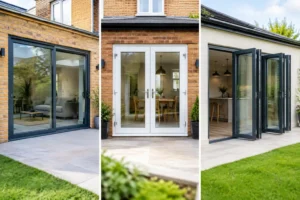
Some of the most successful kitchen extension bifold door examples are not the widest or most expensive. They are the ones that solve a specific design problem, whether that is bringing more light into a galley kitchen, opening a family dining area onto the patio, or keeping enough wall space for cabinetry.
A three-panel bifold for a modest rear extension
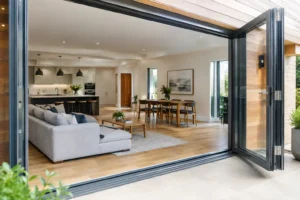
In a smaller extension, a three-panel bifold often gives the best balance. You get a generous glazed opening without sacrificing too much wall area for tall units, a boiler cupboard or a slim run of cabinetry. It also suits many Victorian and 1930s homes where the rear elevation is not especially wide.
This type of arrangement works well when the kitchen and dining area sit side by side rather than in one large square room. With a made-to-measure aluminium system such as Smarts Visofold 1000 Bifold Doors, slim frames help keep the glass area generous while maintaining the strength needed for regular use. It is a practical choice when you want a contemporary finish but still need the extension to work hard as a family kitchen.
A four-panel centred opening onto a patio
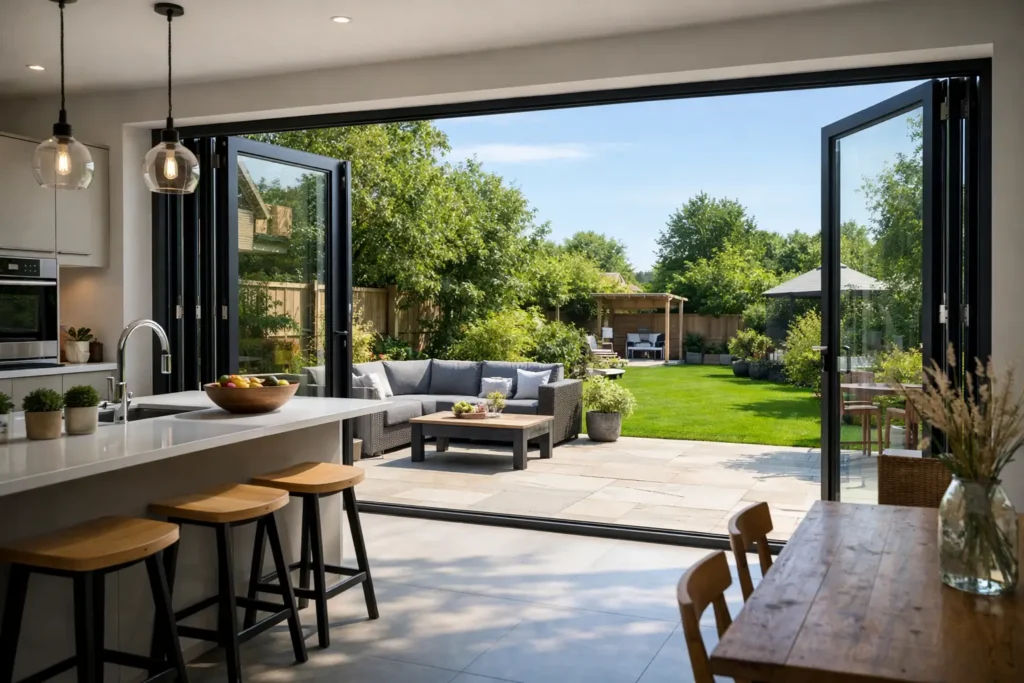
For a wider extension, four panels folding from the centre can create a very balanced look. This is often one of the most popular layouts because it gives symmetry from inside and out, especially when aligned with a dining table, kitchen island or central roof lantern.
The main benefit here is visual order. When the doors are shut, the elevation looks clean and structured. When opened, traffic flow to the garden is easy, which matters if the patio is used for outdoor dining. The trade-off is stacking space. You need to think about where the folded panels will sit and whether they will interrupt furniture placement inside or movement outside.
A traffic door for everyday use
Not every household wants to fold the whole door set back each time someone steps into the garden. That is why a traffic door built into the bifold configuration can be such a useful detail. It gives quick access for daily use while keeping the larger opening available in warm weather or when entertaining.
This is especially useful in kitchen extensions where the garden is part of everyday family life. If children are in and out, or if the side return leads directly to bins, bikes or a utility route, a traffic door avoids making the whole system feel oversized for routine use. It is a small specification point that makes a big difference over time.
Choosing the right style for your layout
The door itself should not be designed in isolation. In most extensions, it has to work alongside glazing above, side windows, kitchen cabinetry and external landscaping.
Corner bifolds in an L-shaped extension
A corner opening can be striking in the right scheme. In an L-shaped rear and side return extension, bifolds meeting at the corner can remove a heavy visual break and make the room feel far more open to the garden.
That said, this approach depends on structure and budget. You may need a more involved steel arrangement, and furniture planning becomes more critical because both adjoining walls are heavily glazed. It can look superb in a minimalist extension with underfloor heating and a clean run of units, but it is not automatically the right answer for every home.
Bifolds with fixed glazing beside or above
One of the strongest design moves in kitchen extensions is combining bifold doors with fixed glazed panels. A fixed side screen can add width without increasing the complexity of the opening panels, while a glazed top light can bring in extra daylight if the ceiling is high.
This is often a sensible route when you want a broad expanse of glass but do not need every section to open. Fixed panes are useful where a full folding configuration would be too busy or where stacked leaves would take up too much room. Paired with thermally efficient aluminium frames and modern glazing, this setup gives a very clean contemporary finish without losing practicality.
Anthracite grey outside, a softer tone inside
Frame colour has a major effect on the finished look. Anthracite grey remains a strong choice for external elevations, particularly against brick, render and porcelain paving. Inside, though, many homeowners now prefer a lighter internal finish to keep the kitchen feeling bright and less industrial.
Dual-colour bifolds can work particularly well in kitchen extensions with warm timber flooring, painted shaker units or off-white walls. The outside keeps that crisp architectural edge, while the inside sits more comfortably with the rest of the room. It is a useful example of how bespoke design can make aluminium systems feel tailored rather than standard.
When bifolds are the right choice – and when they are not
Bifold doors are often the natural choice for kitchen extensions because they can open up a large proportion of the rear wall. That creates a strong indoor-outdoor feel and can make summer use of the space much more enjoyable. Systems such as Smarts Visofold 6000 Bifold Doors or Origin OB49 Bifold Doors are often considered where homeowners want a premium aluminium look with strong security and thermal performance.
But there are situations where a sliding door deserves consideration. If your priority is the slimmest possible sightlines when the doors are closed, or if you want uninterrupted views across the garden in winter, a sliding system may suit the brief better. A Smarts Visoglide Plus sliding door or Cortizo COR Vision Sliding Door can be a better visual fit in some extensions, particularly where the opening is very wide and the aim is to frame the garden rather than fully clear the aperture.
This is where experience matters. The best result usually comes from weighing up how often you will fully open the doors, how much panel stacking space you can tolerate, and whether your extension design benefits more from opening flexibility or fixed glass area.
Practical details that improve the finished result
The strongest kitchen extension bifold door examples usually share a few practical features. They use low thresholds where possible to improve access to the patio and reduce the visual break between inside and out. They also consider floor levels early, because threshold performance, drainage and Building Regulations all need to work together.
Security is another point worth getting right from the outset. Modern aluminium bifolds can include high-security locking systems, toughened safety glazing and hardware designed for regular domestic use. That matters just as much as appearance, particularly on large rear openings.
Thermal efficiency should also be part of the early conversation, not an afterthought. Aluminium products with a thermal break and energy efficient glazing help the extension stay comfortable through the year. In practical terms, that means a space that is not only bright in July but also usable in January.
Matching bifolds to the rest of the extension
A bifold door should feel like part of the architecture, not a product dropped into an opening. In many extensions, that means coordinating it with roof glazing, windows and even the internal lines of the kitchen.
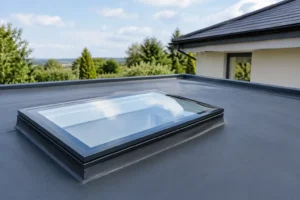
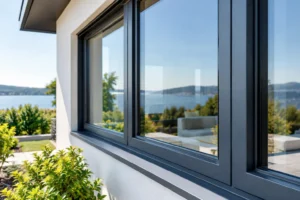
For example, if the project includes a roof lantern or flat roof light, the door sightlines should support that clean glazed aesthetic rather than compete with it. If there are side windows, aluminium systems such as Smarts Alitherm 400 Windows can help create a consistent finish across the whole extension. This matters more than many homeowners expect. When the glazing works together, the space feels calmer, more expensive and better resolved.
There is also the question of scale. A large bifold can make a compact kitchen feel more generous, but only if the surrounding design is disciplined. Too many frame divisions, awkwardly placed units or mismatched materials can make the rear elevation look cluttered. Often, the most convincing schemes are the simplest ones.
If you are gathering ideas, focus less on copying a photo and more on understanding why it works. The right kitchen extension bifold door example for your home will depend on width, layout, garden level, furniture plan and how you live in the space every day. Get those details right and the doors stop being a feature for feature’s sake – they become the part of the extension that makes the whole room make sense.
A good extension should feel better every time you walk into it, not just when the photos are taken. That is why it pays to choose bifold doors with the same care as the structure around them.