
A rear extension can look right on paper and still feel underwhelming once it is built. Often, the missing piece is how the room meets the garden. That is why bifold door design trends matter so much. The best current designs do far more than open a wall – they shape the look of the room, improve light levels, and make everyday use feel easier.
For homeowners planning a renovation or upgrade, the direction is clear. People want cleaner sightlines, better thermal performance, stronger security, and more freedom to tailor the final look. Style still matters, but the strongest trends are driven by practical decisions as much as appearance.
Bifold door design trends are moving towards slimmer, cleaner frames
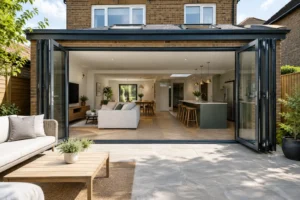
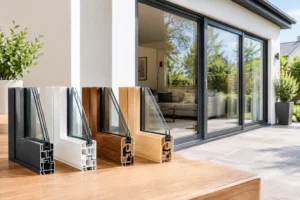
One of the clearest shifts is the move towards slimmer aluminium frames. Homeowners want larger glazed areas and less visual interruption, especially across kitchen extensions and open-plan living spaces. The appeal is simple – more glass means more natural light and a clearer connection to the garden.
Aluminium remains the material of choice because it allows for relatively slim profiles without sacrificing strength. In a modern property, this creates a sharper, more architectural finish than heavier-looking alternatives. Systems such as Smarts Visofold 1000 Bifold Doors or Schuco ASFD75 Bifold doors are often chosen for exactly this reason, particularly where the aim is to keep the rear elevation looking light and contemporary.
That said, the slimmest possible frame is not always the only priority. In some homes, panel size, opening configuration, thermal performance, and budget will matter just as much. Good design is rarely about chasing one feature in isolation.
Dark colours still lead, but warmer finishes are gaining ground
Anthracite grey remains a popular choice, and with good reason. It works well with brick, render, timber details, and most contemporary extension designs. It also gives bifold doors a crisp, defined outline that suits modern glazing.
But colour trends are broadening. More homeowners are choosing black for stronger contrast, while others are moving towards softer greys, textured finishes, and more muted tones that sit comfortably alongside natural materials. On some projects, especially where the property blends traditional and modern elements, dual-colour options are proving useful. A darker external finish can complement the outside of the house, while a lighter internal colour keeps the room feeling bright.
This is one area where bespoke choice makes a real difference. A bifold door should not feel like a standard add-on. It should look considered from both inside and out.
Internal design matters as much as kerb appeal
A noticeable trend is that buyers are paying more attention to how doors work with kitchens, flooring, wall colours, and roof glazing. A set of aluminium bifolds might sit beneath a roof lantern or alongside fixed glazing, so consistency of frame finish becomes part of the wider design scheme.
If you are combining products, matching sightlines and colour tones across doors and windows can create a more polished result. This is particularly effective in extensions using products such as Smarts Alitherm 400 Windows or Cortizo Hidden Sash Windows alongside bifolds.
Thresholds are getting lower for better everyday living
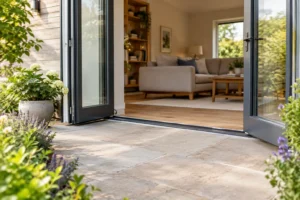
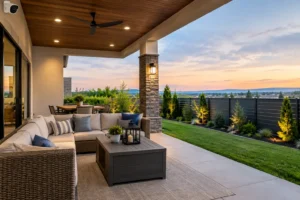
Another strong trend is the demand for low thresholds. Homeowners want easy movement between inside and outside, particularly in family kitchens, garden rooms, and entertaining spaces. A lower threshold helps create that level, open feel people often picture when planning an extension.
This is not only about appearance. It is about convenience. It makes access easier for children, older relatives, and anyone moving between house and patio with trays, chairs, or prams. In practical terms, it can make the whole opening feel more integrated with the garden.
There are trade-offs, though. Threshold choice needs to balance accessibility, weather performance, and the build-up of surrounding floor levels. The right option depends on the property, the exposure of the opening, and how the space will be used. A good supplier will explain those differences clearly rather than pushing a one-size-fits-all answer.
Larger panels and fewer door leaves are in demand
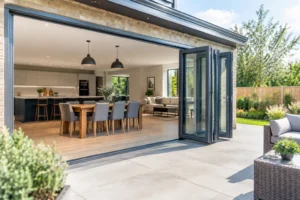
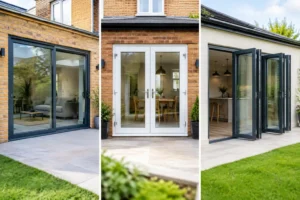
Homeowners are increasingly asking for wider panels and more streamlined configurations. The reason is straightforward – fewer vertical sightlines can give a cleaner overall appearance. On a long rear opening, this can make a real visual difference.
In many cases, that means carefully selecting the number of panes rather than defaulting to more leaves. A three-panel or four-panel arrangement may suit the space better than a more fragmented design, provided the structural opening and intended use allow it.
This is where layout becomes especially important. Traffic doors, opening direction, stacking position, and how furniture sits near the doors all affect what will work best. The nicest-looking arrangement on a brochure is not always the most practical for daily life.
Bifold doors are being chosen more deliberately against sliding doors
A more informed design trend is not purely about bifolds themselves, but about choosing them for the right reason. Homeowners are increasingly comparing bifolds with modern sliding systems such as the Smarts Visoglide Plus sliding door or Cortizo COR Vision Plus Sliding Door before committing.
Bifolds still lead where the goal is to open up most of the aperture and create a stronger sense of outdoor living in good weather. Sliding doors can offer larger panes and uninterrupted views when closed. For some projects, bifolds remain the better fit because access and flexibility matter more than fixed glass area. For others, a sliding system may suit the architecture better. The trend is towards smarter, more project-specific choices.
Better glazing is now expected, not treated as an upgrade
Performance-led design has become central to current bifold door design trends. Buyers are no longer looking only at how a door looks on installation day. They want to know how it will feel in January, how secure it is at night, and whether it supports the wider energy efficiency of the home.
This is why thermally broken aluminium frames and energy-efficient glazing are such a key part of modern specifications. Good aluminium bifold doors can help reduce heat loss while still delivering the slim-frame look that people want. For many households, that balance is essential. A bright room with a large glazed opening needs to be comfortable as well as attractive.
Security follows the same pattern. Multi-point locking, quality hardware, and tested aluminium systems are now expected features rather than nice extras. Homeowners are making longer-term investments, and they want reassurance that style has not come at the expense of performance.
Hardware is becoming more design-led
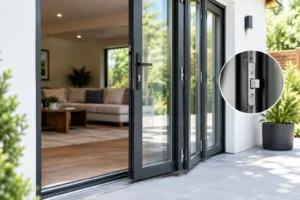
Handles, hinges, and accessory finishes are getting more attention than they used to. That may sound like a small detail, but it reflects a wider shift in the market. People are treating bifold doors as part of the interior design of the home, not just the outer shell.
Contemporary hardware in black, brushed finishes, or coordinated colours can sharpen the final result. This is particularly noticeable in minimalist kitchens and modern extensions where every visible element contributes to the overall look.
At the same time, durability matters. Attractive hardware still needs to cope with regular use, changing weather, and the demands of a busy household. The best choices combine appearance with dependable operation.
Made-to-measure design is replacing standard off-the-shelf thinking
Perhaps the biggest trend of all is customisation. Homeowners want more say over panel configuration, opening style, threshold detail, colour, glazing, and hardware. They are less willing to accept a standard product that almost fits.
That is good news, because bifold doors work best when they are designed around the property rather than forced into it. A new-build extension, a period renovation, and a garden-facing kitchen refurbishment may all need different solutions. One household may prioritise maximum opening width. Another may care more about everyday access through a traffic door. Another may need a supply-only route for a self-managed project.
This is where experience counts. A specialist should be able to explain why one system may suit a project better than another, whether that is Smarts Visofold 6000 Bifold Doors, Origin OB49 Bifold Doors, or a more specialist option such as ASFD90.Hi Bifold Doors for higher performance requirements.
What these trends really mean for homeowners
The current direction is not about chasing fashion for its own sake. The best bifold door trends reflect how people want to live – brighter rooms, stronger garden access, cleaner architecture, and products that perform properly all year round.
If you are planning a project, focus first on the opening you want to create and how you will use it every day. From there, frame style, colour, threshold, panel layout, and glazing specification become much easier to judge. A well-chosen bifold door should still look right years from now, because it was selected around the home, not just the trend.
With the right design, a glazed opening stops being a feature you look at and becomes part of how the whole room works.