
When a room feels dark or cut off from the garden, more floor space is not always the answer. Often, the biggest change comes from better glass in the right place. The best home improvement glazing ideas do more than brighten a space – they can improve layout, make everyday living easier and give your home a cleaner, more contemporary finish.
For most homeowners, the challenge is not finding a glazing option they like. It is choosing one that suits the room, the way they live and the level of performance they expect. Sightlines, thermal efficiency, privacy, ventilation and security all matter, and the right answer usually depends on how the space is used.
Home improvement glazing ideas that genuinely change a room
Some glazing upgrades are mainly cosmetic. Others alter how a room feels from morning to night. If you are planning a renovation, extension or replacement project, these are the ideas that tend to deliver the most value.
1. Replace a solid rear wall with bifold doors
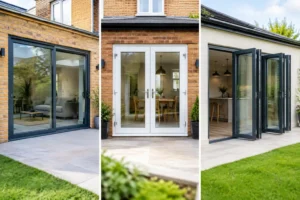
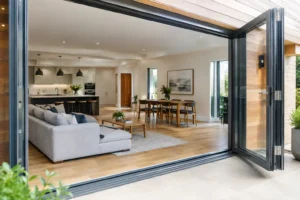
If your kitchen or living area backs onto the garden, bifold doors remain one of the most effective ways to open the space. They bring in a wide sweep of natural light, improve access outside and help the room feel larger even when the doors are closed.
This option works particularly well in rear extensions and kitchen diners where you want a stronger connection between inside and outside. Aluminium systems such as Smarts Visofold 1000 Bifold Doors and Origin OB49 Bifold Doors are popular because they combine slim frames with strong thermal performance and dependable security. The trade-off is that bifolds have more frame lines than large sliding doors, so if uninterrupted glass is your priority, another solution may suit better.
2. Use sliding doors where the view matters most
For homes with a garden outlook, sliding doors are often the cleanest visual choice. Because they have fewer vertical frames, they maximise the glass area and keep attention on the view rather than the door set itself.
This is especially effective in contemporary extensions, open-plan family rooms and spaces where furniture layout makes inward or outward opening leaves less practical. Systems such as the Smarts Visoglide Plus sliding door or Cortizo COR Vision Plus Sliding Door are designed for large glazed openings with slim aluminium profiles. Sliding doors do not stack away in the same way as bifolds, so you get a more limited opening overall, but many homeowners prefer that compromise for the extra glass.
3. Add a roof lantern over the centre of an extension
Rear extensions can easily become bright at the back and dim in the middle. A roof lantern solves that problem by pulling daylight deeper into the room, particularly over kitchen islands, dining areas or central seating zones.
The benefit here is not only brightness. Light from above tends to feel more even and more natural across the day, which helps larger open-plan rooms feel balanced. The main consideration is proportion. A lantern that is too large can dominate the roof and affect solar gain in summer, while one that is too small may not make enough difference. Getting the size, glazing specification and frame colour right matters as much as choosing the feature itself.
4. Fit flat roof lights for a cleaner architectural look
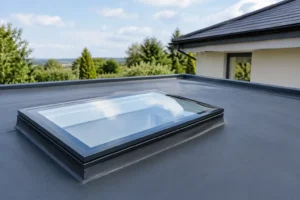
If you want overhead glazing without the raised profile of a lantern, flat roof lights are a strong alternative. They suit modern extensions particularly well and work where planning style, roof design or personal preference calls for a simpler external appearance.
Inside, they bring in excellent daylight and can make lower ceilings feel more open. They are also useful in side return extensions where wall space for windows and doors is limited. The key is to think about placement rather than simply adding one in the middle of the roof. A well-positioned roof light can highlight a kitchen run, brighten a circulation area or draw light into a once-dark corner.
Glazing ideas for specific rooms
The most successful glazing schemes respond to the room first. A good product in the wrong place will never work as well as a tailored solution.
5. Upgrade kitchen windows to slimmer aluminium frames
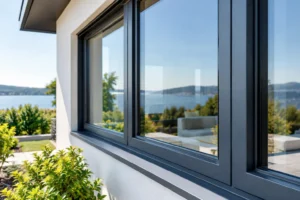
In many kitchens, older windows reduce both daylight and visual quality. Replacing bulky frames with modern aluminium casements can sharpen the look of the whole room and allow more glass within the same opening.
Products such as Smarts Alitherm 400 Windows or Cortizo Hidden Sash Windows are a good fit for homeowners who want a cleaner, more contemporary finish. This kind of upgrade is easy to overlook because it seems less dramatic than changing doors, but it can make a substantial difference to brightness, especially when paired with a light-reflective interior scheme.
6. Use corner glazing to open up an extension
A glazed corner has a very different effect from a standard set of doors or windows. It removes visual weight at the edge of the room and makes the extension feel lighter and more architectural.
This approach suits modern projects where the aim is to create a strong design statement without making the room feel overworked. It does, however, need careful structural planning, and not every property style will carry it comfortably. On the right home, though, corner glazing can turn a straightforward extension into a standout space.
7. Improve privacy with the right glazing in bathrooms and front-facing rooms
Not every glazing idea is about opening up to the garden. In bathrooms, utility rooms and street-facing spaces, the best result often comes from balancing light with privacy.
Obscure or patterned glazing, carefully chosen window heights and more considered frame layouts can keep rooms bright without leaving them exposed. This is where design details matter. You do not need to settle for a basic frosted panel if the room would benefit from a more refined solution that still matches the rest of the property.
Performance matters as much as appearance
The strongest home improvement glazing ideas are not just attractive on day one. They need to perform well through winter, cope with daily use and continue to look right years after installation.
8. Prioritise thermal efficiency in large glazed areas
Homeowners often worry that more glass means a colder room. That can be true with dated products or poor specification, but modern aluminium systems are designed very differently. Frames with a thermal break and energy efficient glazing help reduce heat loss while keeping the slim, modern look that makes aluminium so appealing.
This matters most on larger openings, where performance differences become more noticeable. If you are comparing products, ask how the frame and glazing work together rather than focusing on appearance alone. A well-made aluminium door or window should improve comfort, not ask you to trade it away for style.
9. Think about thresholds, ventilation and day-to-day use
A glazing project should look impressive, but it also needs to suit real life. Low thresholds improve access to the garden and make family spaces feel more connected. Trickle ventilation, opening configurations and handle positions all affect how practical the finished installation will be.
This is often where bespoke options become valuable. The right panel layout for a busy kitchen extension may not be the best choice for a formal sitting room. In the same way, colour, hardware finish and opening direction should be chosen in context, not as isolated features. Good glazing feels easy to live with because those decisions have been thought through properly.
Choosing the right glazing direction for your project
The best route depends on what you want the room to do better. If the priority is a wide opening to the garden, bifold doors are hard to beat. If you want bigger panes and less visible frame, sliding doors are often the stronger choice. If the problem is a gloomy middle section in an extension, roof glazing is usually the answer.
Property style matters too. A highly contemporary system can look excellent on a modern extension but feel out of place on the front elevation of a traditional house. That does not mean you have to play safe. It means the design should be led by the house as well as the product.
Budget also shapes the decision, but not always in the way people expect. Spending more on a larger glazed opening is not automatically better than dividing that budget between doors, roof glazing and upgraded windows. In many homes, a balanced approach brings a better result than one headline feature.
Whether you are planning a full extension or replacing tired frames in an existing room, good glazing should make your home brighter, more comfortable and easier to enjoy every day. If a design choice gives you more light, better access and stronger performance at the same time, it is usually the right one to pursue.