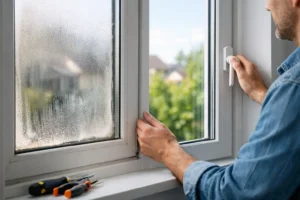

A misted pane in the kitchen, a crack near the corner of a bedroom window, or a cold draught you can feel every winter morning – these are usually the moments that send homeowners searching for a replacement window glass guide. The right decision is not always a full new window. In many cases, replacing the glass unit is the sensible way to restore comfort, improve efficiency and keep the look of your home intact.
When replacement glass is the right option
If the frames are still sound, square and secure, replacing the glazing alone can be a practical solution. This is often the case with double glazed units that have failed over time, showing condensation between the panes, or where a single pane has been cracked by impact or stress.
The key question is whether the problem sits with the glass or the whole window system. If your frames are warped, rotten, difficult to lock, or badly dated in thermal terms, glass-only replacement may only solve part of the issue. On the other hand, if the frame remains in good condition and suits the property, changing the sealed unit can be faster, less disruptive and more cost-effective than a complete window replacement.
That balance matters in renovation projects. Homeowners often want better warmth and a cleaner finish without turning a straightforward fix into a much larger building job.
What a replacement window glass guide should help you check
A good replacement window glass guide starts with diagnosis. Not all glass problems look the same, and not all should be treated the same way.
Misted double glazing usually means the sealed unit has failed. Moisture has entered the space between the panes, and the insulating performance is no longer what it should be. A visible crack is more obvious, but the cause still matters. Some cracks are caused by impact, while others come from pressure on the frame or thermal stress.
Draughts can be more complicated. If air is coming through around the frame, new glass alone will not fix it. If the issue is a failed glazed unit with poor thermal performance, replacing the glass could make a noticeable difference. A professional survey is the best way to separate one from the other before you spend money in the wrong place.
Choosing the right glass for your home
This is where performance really changes. A replacement unit should not simply match the old glass if the old glass was underperforming. In many homes, this is a chance to upgrade.
Double glazing remains the standard choice for most residential properties, but the specification within that unit makes a real difference. Low-emissivity glass helps reflect heat back into the room, while argon-filled cavities improve insulation. Warm edge spacer bars can also help reduce heat loss around the perimeter of the unit and lower the risk of condensation.
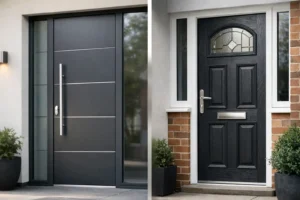
If outside noise is a problem, acoustic glass may be worth considering, particularly for homes near busy roads or in built-up areas. If security is higher on your list, laminated glass offers extra resistance because it holds together when broken. Toughened safety glass is often required in critical locations, such as doors, side panels and low-level glazing.
There is always a trade-off. Higher specification glass improves comfort and performance, but it increases unit cost. For many homeowners, the best value comes from targeting the rooms that matter most, such as larger kitchen windows, family living spaces and rear elevations that lose the most heat.
Repair or full window replacement?
This is one of the most common questions, and the answer depends on age, condition and goals.
If your existing windows are relatively modern and the frame system is still performing well, replacing the glass unit can be the smarter move. It keeps disruption low and preserves the appearance of the property. It is also useful if you are working through improvements in stages.
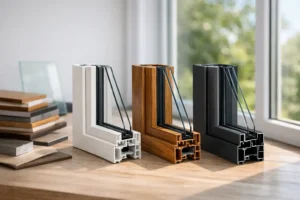
If the windows are older, poorly sealed or no longer meet your expectations for security and efficiency, replacing the whole window may be the better long-term investment. That is especially true if you are modernising the property and want slimmer sightlines, better thermal performance and a more contemporary finish. For example, modern aluminium systems such as Smarts Alitherm 400 Windows offer the benefit of strong frames, thermal break technology and energy-efficient glazing together, rather than relying on one upgraded component inside an older frame.
In short, glass replacement is ideal when the frame is worth keeping. Full replacement is usually better when the frame is part of the problem.
Measuring and specification matter more than most people expect
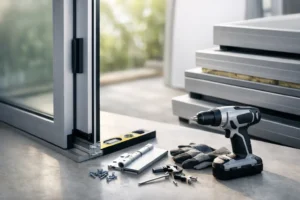
Replacement glass is not a one-size-fits-all product. Each unit needs accurate measurements, and there is very little room for guesswork.
The thickness of the sealed unit, the cavity size, the type of spacer, the glass specification and the bead arrangement all affect what can be installed. Even if two windows look similar, they may not take the same unit. Incorrect measuring can lead to poor fit, loss of performance or, in some cases, damage to the frame.
That is one reason homeowners often benefit from specialist advice rather than trying to order by appearance alone. A properly specified unit should fit cleanly, perform as expected and comply with current safety standards where required.
Building Regulations and safety considerations
In the UK, replacement glazing is not just about appearance. Safety and compliance matter.
Certain areas of the home require safety glass, including glazing in and around doors and low-level panes where accidental impact is more likely. If the wrong glass type is installed, it can create a safety risk and may not comply with Building Regulations.
Thermal performance also matters. While like-for-like glass replacements can be straightforward, many homeowners now want improved efficiency as part of the job. That makes specification especially important, because the unit should suit both the frame and the wider performance target for the property.
If your home is listed or in a conservation area, there may be additional planning or specification considerations. In those cases, replacing glass can sometimes be easier than replacing complete windows, but the details still need careful handling.
What affects the cost of replacement window glass?
Costs vary because glass units vary. Size is one factor, but it is far from the only one.
The final price usually depends on the dimensions, the thickness of the unit, whether it is double or triple glazed, and whether specialist glass is required for safety, security, solar control or noise reduction. Decorative finishes, obscure glass for bathrooms, and unusual shapes can also increase cost.
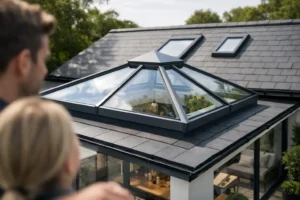
Access can affect labour as well. A straightforward ground-floor casement is very different from a large first-floor unit or a glazed panel near a roofline. If beads, gaskets or hardware are worn, there may be additional work to complete the installation properly.
For homeowners, the useful way to think about cost is value rather than headline price alone. A cheaper unit that mists early or underperforms thermally is rarely the best buy. Proper specification and professional fitting usually pay back in comfort, efficiency and reliability.
Glass replacement as part of a wider upgrade
Many renovation projects begin with one failed pane and quickly raise a bigger question about the home as a whole. If you are already improving glazing performance, it can make sense to think about how windows and doors work together.
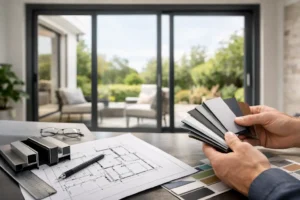
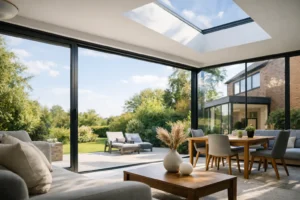
Homes that prioritise light, warmth and clean modern lines often benefit from a joined-up approach. Upgraded glazing in existing windows, newer aluminium windows in key rooms, or improved rear access through contemporary sliding or bifold doors can all contribute to a brighter and more efficient living space. The important part is choosing the right level of change for your property and budget, rather than replacing everything simply for the sake of it.
That practical approach is usually the best one. Some homes need a targeted glass replacement. Others are ready for a broader upgrade.
How to choose a supplier or installer
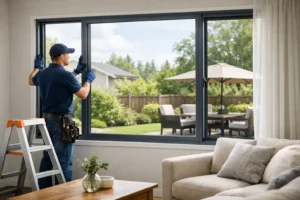
Experience matters here, because replacement glass is only as good as its specification and fitting. A dependable specialist should be able to explain whether glass-only replacement is appropriate, what type of unit is being supplied, and how it will affect warmth, safety and appearance.
Look for clear advice, accurate surveying and straightforward answers on compliance. If you are comparing quotes, check that the glass specification is genuinely like-for-like. A lower price can sometimes mean a lower-performing unit.
It also helps to choose a company that understands the wider glazing picture. If a survey shows that the frame itself is nearing the end of its life, you want honest guidance rather than a short-term fix dressed up as the best option. That is where an experienced specialist can add real value.
If you are dealing with failed or damaged glazing, there is no benefit in waiting for the problem to get worse. The right replacement glass can restore warmth, clarity and peace of mind – and if the frames are no longer doing their job, taking the next step to a better-performing window system can be money well spent.