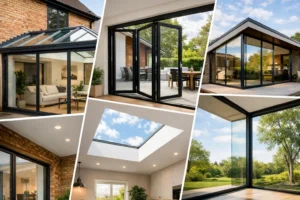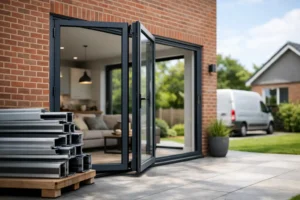

A patio door can change more than the view from your kitchen. It affects how much daylight reaches the room, how easily you move into the garden and whether an extension feels open or enclosed. This aluminium patio doors review looks beyond the attractive slim frames to assess the qualities that matter once the doors are fitted: thermal performance, security, operation, price and long-term value.
For many UK homeowners, aluminium is the premium choice for a rear extension, kitchen-diner or garden room. It is strong enough to support larger panes of glass with slimmer sightlines than many alternatives, creating a cleaner architectural finish. The right system can be an excellent investment, but the specification matters as much as the material.
Aluminium patio doors review: the practical verdict
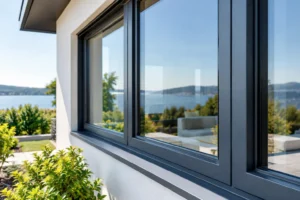
Aluminium patio doors are a strong choice when you want wide glass areas, contemporary styling and a durable, low-maintenance finish. They work particularly well on large openings where a uPVC frame may need to be noticeably thicker, or where you want doors that complement modern roof lanterns, flat roof lights and aluminium windows.
Their main advantage is strength. Aluminium frames can carry substantial double or triple-glazed units while remaining comparatively slim. That means more glass, better views and more natural light without compromising the structure of the door.
The trade-off is upfront cost. Quality aluminium patio doors usually cost more than standard uPVC alternatives, especially where the design includes large panels, premium glazing, bespoke colours or a low threshold. However, a properly specified aluminium system is built for many years of regular use and can add genuine appeal to a well-designed home improvement project.
Why aluminium suits patio doors
The material itself is naturally strong and stable. It does not swell, twist or rot in wet weather, making it well suited to British gardens, exposed elevations and doors that are opened frequently throughout the year. The powder-coated finish is also highly durable and available in a broad choice of colours, from popular anthracite grey to black, white and more individual RAL shades.
A high-quality aluminium system should include a thermal break. This insulating barrier separates the inner and outer parts of the frame, reducing the route by which heat can pass through the metal. Combine this with energy-efficient glazing, correctly fitted seals and a professional installation, and aluminium patio doors can deliver strong thermal performance for a modern home.
It is worth being realistic about the wider picture. Large areas of glazing will never insulate in exactly the same way as a solid insulated wall. Triple glazing may improve performance in some designs, but it also adds weight and can affect the size and configuration of panels available. The most suitable glass specification depends on your orientation, room use, shade, heating arrangement and the amount of solar gain you want.
Sliding doors or bifolds?
“Patio doors” can describe both sliding doors and bifolding doors, but they create a different experience.
Sliding doors are often the best option when the priority is uninterrupted glass and a year-round garden view. A system such as the Smarts Visoglide Plus sliding door, Schuco ASE60 Sliding Door or Cortizo COR Vision Sliding Door can accommodate broad panes and narrow central sightlines. Because one panel slides behind another, part of the opening remains occupied by the fixed or stacked-over panel, but operation is simple and the furniture layout inside is usually easy to manage.
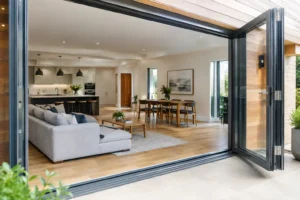
Bifold doors are the better fit where opening up the full width of the aperture matters most. Their panels fold and stack to one or both sides, creating a wide, open connection to a patio or garden. Products such as Smarts Visofold 1000 Bifold Doors and Origin OB49 Bifold Doors offer flexible panel layouts, so they can suit everything from a compact opening to a substantial extension.
Neither option is automatically better. Choose sliding doors for maximum glass and minimal visual interruption. Choose bifolds when you want the widest possible opening during warmer months, family gatherings or entertaining.
Security should be part of the specification
Large glazed doors are a prominent feature of the home, so security should not be treated as an optional upgrade. A well-made aluminium patio door should use multi-point locking, secure locking cylinders, toughened safety glass where required and carefully engineered hinges, rollers and interlocks.
For sliding doors, ask how the panels are held in the frame when closed and how the system resists lifting or forced movement. For bifolds, look at the locking arrangement on the lead door, the security of the intermediate panels and the quality of the hinges. Top-of-the-range security comes from the complete assembly, not simply from a single lock advertised in isolation.
The installation is equally important. Even an excellent door system can underperform if it is poorly packed, incorrectly aligned or inadequately sealed around the opening. This is one reason homeowners should use an experienced supplier and installer, particularly where the project involves a structural opening, steelwork or a new extension.
Costs: what changes the price?
There is no useful single price for aluminium patio doors because they are normally made to measure. The opening size is a major factor, but it is only one part of the quotation. A two-panel sliding door, for example, will be priced differently from a three-panel configuration of the same overall width because the glass sizes, frame sections and hardware requirements change.
The final cost is also influenced by glazing specification, panel layout, colour, handle finish, threshold choice and whether installation is included. A standard colour and practical configuration may offer excellent value, while oversized panels, marine-grade finishes or specialist solar-control glass will increase the budget.
Supply-only can be suitable for experienced renovators with a capable fitting team, while a full survey and installation service provides additional reassurance for homeowners who want one specialist responsible for the process. In either case, compare like for like. Check the glass type, thermal break, locking hardware, threshold, guarantees and whether delivery, survey and fitting are included before judging one quote against another.
Details that make everyday use better
The best patio doors feel easy to live with, not merely impressive on the day they are installed. Think about the threshold early. A low threshold can improve accessibility and create a more level transition to the garden, but drainage, external paving levels and Building Regulations must all be considered. Water needs somewhere to go, particularly on exposed elevations.
Also consider ventilation. Opening patio doors helps in warm weather, yet background ventilation and trickle vents may be needed to meet current requirements depending on the project. Privacy glass, integral blinds and solar-control glazing can be useful where a south- or west-facing room receives strong afternoon sun.
Handle position and traffic door placement matter more than many people expect. With bifolds, the traffic door is the panel used for normal daily access without folding back the full set. Position it to suit the route between the kitchen, dining area and garden rather than simply choosing the most symmetrical layout.
Are aluminium patio doors worth it?
They are usually worth the cost when the project calls for generous glazing, slim frames and a finish designed to last. They are especially effective in extensions where the doors form a major part of the architecture, rather than a small replacement opening. For a modest opening on a tight budget, another material may meet your needs well. For a statement opening that should bring light, space and garden access together, aluminium is difficult to beat.
The most successful choice starts with the opening, the way your household uses the room and the performance you expect in winter as well as summer. A detailed quotation and a considered design will help ensure your new doors look just as good in ten years as they do on installation day.