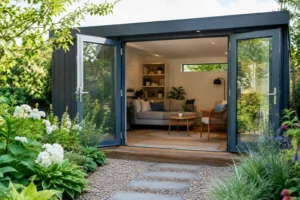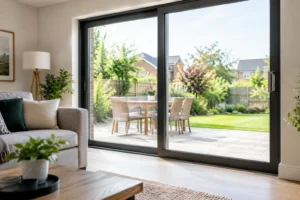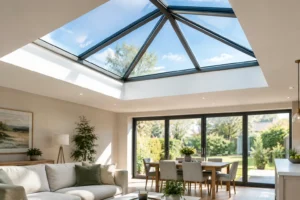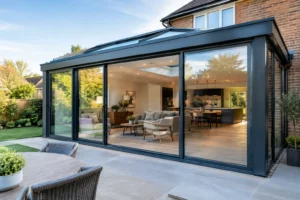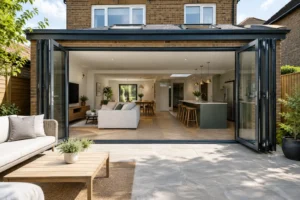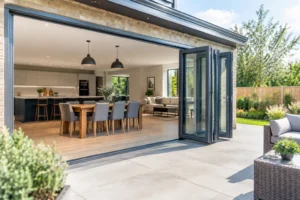

Original cornicing, timber sash windows, a well-kept brick façade – period homes have details worth protecting. The challenge comes when you want more light, better access to the garden and a layout that suits modern living. That is where bespoke bifold doors for period homes need careful thought. Done well, they can feel like a natural extension of the property rather than an obvious modern add-on.
For many homeowners, the concern is not whether bifold doors look good in a brochure. It is whether they will sit comfortably within the age, style and proportions of the house. The answer depends on the design choices you make, the system you choose and how well the opening is planned from the start.
Why bespoke bifold doors for period homes work
Period properties are rarely standard. Openings can be uneven, walls can be thicker, floor levels may vary and the rear elevation often tells a different story from the front. A made-to-measure approach matters because it allows the doors to suit the building rather than forcing the building to suit the doors.
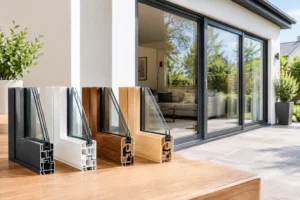
This is especially useful in Victorian terraces, Edwardian semis and older cottages where rear extensions are common. The front of the home may remain traditional, while the back is designed to bring in more daylight and open up a kitchen or dining space. In that setting, aluminium bifold doors can work extremely well. Slim sightlines help maximise glass, and modern thermal break technology with energy efficient glazing means you do not have to sacrifice performance for appearance.
There is also a practical reason bespoke products make sense. Heritage homes can bring restrictions, awkward reveals and site-specific details that off-the-shelf sizes simply do not solve. Custom sizing, panel layout, threshold choice and colour finish all help create a result that feels considered rather than generic.
Respecting period character without copying the past
The best upgrades to older homes do not always imitate original features. In many cases, contrast works better than imitation. A clean-lined aluminium bifold door at the rear can complement a period property by making a clear distinction between old and new. That approach is common in kitchen extensions, garden rooms and side-return projects where homeowners want a brighter, more contemporary living area without affecting the building’s street-facing character.
That said, balance matters. Oversized frames, poor proportions or a colour that jars with the existing property can look out of place. A sympathetic design usually starts with scale. The door configuration should suit the width and height of the opening, while the frame finish should tie in with other external elements such as window colours, brick tones and roof materials.
Anthracite grey remains popular, but it is not the only answer for a period home. Black, heritage-inspired shades and softer neutrals can sometimes sit more comfortably against traditional brickwork or rendered façades. Hardware finish also plays a part. Small details can make the difference between a door that feels thoughtfully specified and one that feels too stark for the setting.
Choosing the right system for an older property
Not all bifold doors are the same, and period homes tend to reward a more tailored specification. If your priority is proven aluminium performance with practical design flexibility, systems such as Smarts Visofold 1000 Bifold Doors are often a strong fit. They offer slim aluminium framing, reliable operation and a wide range of configuration options, which is useful when each opening has its own quirks.
For larger openings or projects where thermal performance is a key concern, it may be worth considering higher-spec options depending on the design brief. The right choice will depend on the size of the aperture, the desired sightlines and whether the doors are part of a new extension or replacing older patio doors in an existing wall.
This is one area where experience matters. A period renovation often involves more than choosing a style you like. The build-up of floors, lintel support, drainage, cill details and compliance with current Building Regulations all need to work together. A good bifold door should not only look right on day one. It should operate smoothly, close securely and perform well through every season.
Design details that matter more than people expect
Sightlines and proportions
In a period home, proportions are everything. If the opening is wide, too many panels can create a busy look. Too few, and the individual door leaves may become too broad and heavy in appearance. The aim is to find a panel arrangement that keeps the frames elegant and the doors practical to use.
Thresholds and floor levels
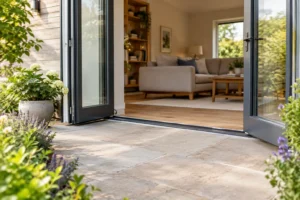
A low threshold can improve access to the garden and create a cleaner transition from inside to outside. That is particularly appealing in open-plan kitchens and family spaces. The trade-off is that threshold choice must be considered alongside weather performance and the external ground level. On older properties, where existing floors may not be perfectly level, early planning is essential.
Glazing specification
Glass does a great deal of the hard work in a bifold door. For period homes with large south-facing openings, solar control glazing may help prevent overheating. In cooler or more exposed settings, energy efficient double or triple glazing can improve comfort. If privacy is an issue, especially in terraced homes, that should be factored in at specification stage rather than treated as an afterthought.
Security
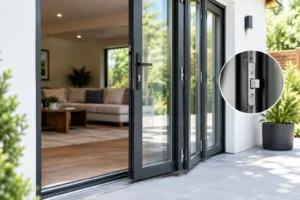
Older properties are often being brought up to modern standards as part of a wider renovation. High-security locking, quality hardware and strong aluminium profiles offer reassurance without changing the character of the home. Top-of-the-range security should be standard, not an optional extra.
Common concerns with bespoke bifold doors for period homes
One of the biggest worries is that bifold doors will look too modern. In reality, this usually comes down to execution. A carefully designed rear elevation can improve a period property without competing with its original features. If anything, more natural light can make retained details inside the house stand out even more.
Another concern is heat loss. This was a fair criticism of older glazed doors, but current aluminium systems are built differently. Thermal break technology and energy efficient glazing have moved performance on considerably. As always, the full result depends on the entire installation, not just the product on paper.
There is also the question of whether bifolds are always the best option. The honest answer is no. If you want the very widest uninterrupted glass and only need one or two opening panels, a sliding system may suit the space better. A Smarts Visoglide Plus sliding door, for example, can be a smart alternative where views are the priority. Bifold doors tend to come into their own when you want to open up most of the aperture and create a stronger connection to the garden.
Planning around the property, not just the product
The most successful installations start with the room as a whole. In a period property, that often means thinking beyond the doors themselves. How will daylight move through the space? Will the new opening line up with kitchen cabinetry, ceiling beams or retained chimney breasts? Will the stack-back position interrupt furniture layouts or walkways?
These questions matter because period homes often have less forgiving layouts than new-build properties. Every centimetre counts. A bespoke approach allows the door to be configured around daily use, not just visual impact.
For homeowners managing their own build, supply-only can be a practical route if the project team is experienced. For others, full installation offers reassurance that measuring, fitting and finishing are handled properly. That is especially valuable when dealing with older walls, variable structure and renovation surprises that only become obvious once work begins.
Making a modern addition feel right
A period home does not need to stay frozen in time to keep its character. In fact, many of the best renovations succeed because they are honest about how people live now. Families want brighter kitchens, easier garden access and doors that are secure, durable and efficient. The key is to choose products that support those needs while respecting what made the property worth preserving in the first place.
At Smarts Bifold Doors, that usually means guiding homeowners towards a specification that suits both the house and the way they live in it. The right bespoke bifold doors should feel purposeful, not showy. They should make the room brighter, the garden more accessible and the whole rear elevation work harder for everyday life.
If you are updating a period property, the best place to start is not with a trend. It is with the opening, the architecture and the small design decisions that help a new feature feel completely at home.