
When you are replacing windows or choosing glazing for new bifold or sliding doors, the question of double glazing vs triple glazing usually comes up quite early. It sounds like a simple upgrade path – two panes good, three panes better – but in practice, the right answer depends on your property, the frame system, the size of the opening and what you want the glazing to achieve.
For most UK homeowners, the choice is not really about getting the highest specification on paper. It is about comfort, running costs, natural light, noise levels and whether the extra spend gives you a result you will actually notice day to day. That is where a more careful comparison matters.
Double glazing vs triple glazing: what is the difference?
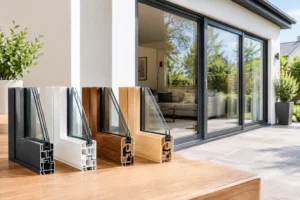
Double glazing uses two panes of glass with a sealed cavity between them. Triple glazing adds a third pane, creating two cavities instead of one. Those cavities are typically filled with an inert gas such as argon to help slow heat transfer, and modern units usually include low-emissivity coatings to improve thermal performance further.
That is the technical difference. The practical difference is that triple glazing can reduce heat loss more effectively than double glazing, but it also adds weight, cost and thickness. Whether that trade-off is worthwhile depends heavily on the product and the room.
In a well-designed aluminium system with a proper thermal break and energy-efficient glass, double glazing can already deliver strong performance. Many homeowners are surprised by how far modern double glazed units have come, especially when paired with high-quality frames such as Smarts Alitherm 400 Windows or thermally broken aluminium door systems.
Thermal performance is important, but not the whole story
If your main goal is to keep heat in, triple glazing has an advantage. In broad terms, it achieves lower U-values than double glazing, which means less heat escapes through the glass. On paper, that makes it the more efficient option.
But glazing should never be judged in isolation. The frame matters, the spacer bars matter, the installation matters and the size of the opening matters. A poorly fitted triple glazed unit will not outperform a well-made, correctly installed double glazed system by as much as the brochure might suggest.
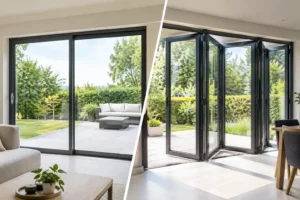
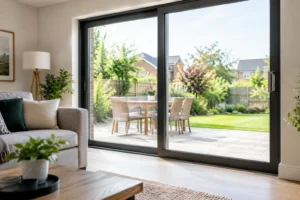
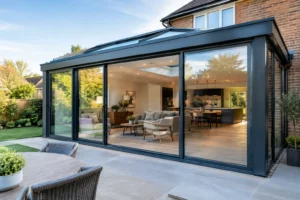
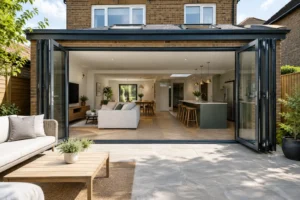
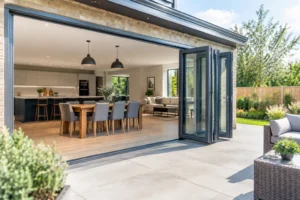
There is also the wider context of the room. In many extensions, kitchens and garden-facing living spaces, large panes of glass are chosen to bring in daylight and create a more open feel. That often means bifold doors such as Smarts Visofold 1000 Bifold Doors or sliding systems like the Smarts Visoglide Plus sliding door. In spaces like these, the overall design of the glazing system has a direct effect on comfort. Solar gain, ventilation and orientation can matter almost as much as the number of panes.
For a south-facing room that already gets plenty of sun, a well-specified double glazed unit may offer an excellent balance. For a colder elevation, an exposed property or a room that always feels slightly chilly, triple glazing may be worth stronger consideration.
Is triple glazing always warmer in real life?
Usually, yes – but the difference is not always dramatic enough to justify the extra cost for every project.
In a typical UK home, upgrading from older or failed double glazing to modern high-performance double glazing often brings a very noticeable improvement. Moving from modern double glazing to triple glazing can improve things again, but the jump is often smaller in day-to-day use than homeowners expect.
That does not mean triple glazing is poor value. It simply means it tends to make the most sense where the rest of the specification is already strong and the property is likely to benefit from every extra gain in efficiency. New builds, highly insulated extensions and homes exposed to colder conditions are often better candidates than standard replacement projects.
Noise reduction can favour triple glazing, but not automatically
One of the most common assumptions in the double glazing vs triple glazing debate is that triple glazing will always be quieter. Sometimes that is true, but acoustic performance is more complicated than pane count alone.
The thickness of each pane, the size of the cavities and whether the glass uses acoustic laminate can all influence sound reduction. In some cases, a carefully specified double glazed acoustic unit can outperform a standard triple glazed unit for noise control.
If you live near a main road, under a flight path or in a busy built-up area, it is worth discussing acoustic glass rather than assuming triple glazing is the only answer. For many homeowners, that targeted specification delivers better value than simply adding a third pane.
Weight matters more than many people realise
Triple glazed units are heavier. That may sound like a small technical point, but it has practical consequences, particularly for large-format doors.
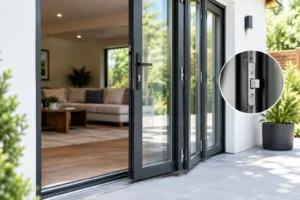
Bifold and sliding doors rely on precision engineering, smooth operation and durable hardware. Heavier glass puts more demand on rollers, hinges, tracks and the frame itself. In premium systems this can absolutely be managed, but the added weight still has to be considered at specification stage.
This is especially relevant where homeowners want wide openings, slim sightlines and larger panes. Aluminium is a strong material and well suited to modern glazing, but not every configuration benefits equally from the extra weight of triple glazing. Sometimes a high-performance double glazed specification gives you the cleaner look and easier operation you want without compromising thermal efficiency in a meaningful way.
Light and appearance should stay part of the decision
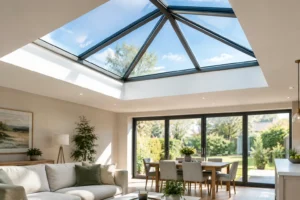
Most people replacing windows and doors are not doing it purely for U-values. They want a brighter room, a better garden connection and a sharper finish from inside and out.
Triple glazed units can slightly affect visible light transmission compared with double glazed alternatives. The difference is not always major, but in some designs it can be a factor, particularly if you are trying to maximise daylight through large glazed elevations.
This is one reason product choice matters. Slim-frame aluminium systems are popular because they allow more glass and less frame, helping rooms feel lighter and more contemporary. Whether you are looking at bifolds, sliders or replacement windows, the best result usually comes from balancing frame design, glass specification and the way the space is used.
Cost and payback
Triple glazing costs more than double glazing. The exact difference varies by product, size and specification, but it is a real uplift, not a minor add-on.
For some homeowners, that extra spend is justified by comfort, improved energy performance and the sense of future-proofing the property. For others, the better investment may be choosing a stronger frame system, improving ventilation, or upgrading other elements of the building fabric instead.
This is where practical advice matters. If your home still has ageing windows, draught issues or poor installation details, putting your budget into a quality modern double glazed system may give you a better overall return than stretching immediately to triple glazing.
When double glazing is the better choice
Double glazing remains the right answer for many UK homes. It is often the more balanced option when you want strong thermal performance, a sensible budget and broad flexibility across windows, bifold doors and sliding doors.
It tends to suit mainstream replacement projects, larger glazed openings and homeowners who want an efficient, secure and attractive upgrade without over-specifying the glass. With modern low-E coatings, warm edge spacer bars and thermally broken aluminium frames, double glazing can perform to a very high standard.
When triple glazing makes sense
Triple glazing is worth serious consideration if your property is exposed, your heating bills are a particular concern, or your project is being built to a higher overall energy standard. It can also make sense in rooms where comfort is a priority and large expanses of glass may otherwise feel cooler during winter.
It is especially relevant when the rest of the specification is equally strong. In other words, triple glazing works best as part of a well-planned package rather than as a standalone upgrade.
How to choose the right option for your home
The right question is not simply which is better. It is which is better for your property, your glazing system and your budget.
If you are comparing quotes, look beyond pane count. Ask how the overall unit performs, what U-value the full window or door achieves, how heavy the glass will be in your chosen design and whether acoustic or solar-control glass would add more value than a third pane. A good supplier should be able to talk you through those points in plain English, not just point to a specification sheet.
For homeowners investing in bespoke aluminium glazing, that joined-up approach usually leads to the best result. Smarts Bifold Doors, for example, works with made-to-measure systems where frame performance, security, style and glazing choice all need to work together rather than compete.
If you want a modern home that feels warmer, brighter and more comfortable, both options can get you there. The best choice is the one that suits the way your home actually works, not just the one that sounds like the bigger upgrade.