
Ordering new windows usually starts with a simple goal – better warmth, better security, or a cleaner, more modern look. But when you get into the detail, how to order replacement windows properly comes down to making the right decisions early. Get the measurements, materials and specification right, and the whole project runs smoothly. Get them wrong, and delays, extra cost and poor performance can follow.
For most homeowners, the best approach is to treat window ordering as a specification exercise rather than a quick purchase. You are not just choosing frames that look good in a brochure. You are choosing made-to-measure products that need to suit your property, comply with current standards and perform well for years to come.
How to order replacement windows without costly mistakes
The first step is to be clear about what you are replacing and why. Some customers want to improve heat retention in older rooms. Others are renovating a full rear elevation and want slimmer sightlines to match new doors or roof glazing. In some cases, the main issue is maintenance, draughts or dated styling.
That reason matters because it shapes the right product choice. If your priority is a contemporary finish with strong thermal performance, aluminium systems such as Smarts Alitherm 400 Windows or Cortizo Hidden Sash Windows may be a better fit than a basic off-the-shelf option. If you are upgrading a period property, sightlines, opening style and colour become just as important as energy ratings.
Before asking for a quote, take stock of each window opening. Note whether the windows are casement, fixed, top-hung or side-hung. Check if there are trickle vents, cills, internal reveals or any access issues outside. If one elevation is exposed to heavy weather, that may influence glazing and hardware choices. Ordering windows is rarely one-size-fits-all.
Start with accurate measurements
If you are arranging a supply-only order, measurements are the most important part of the process. Bespoke windows are manufactured to the sizes provided, so accuracy matters. In most cases, you should measure the width and height of the structural opening in at least three places and work from the smallest dimensions. That helps account for uneven masonry, which is common in older homes.
It is also worth checking how square the opening is by measuring diagonally corner to corner. If those dimensions differ significantly, the opening may need adjustment before installation. That is not unusual, but it should be identified early.
If you are unsure, professional surveying is the safer route. A proper site survey reduces risk and gives you confidence that the windows ordered will fit as intended. For homeowners managing larger renovations, this is often money well spent. It is cheaper to confirm sizes before manufacture than to solve problems after delivery.
Measure the opening, not the old frame
A common mistake is measuring the visible part of the existing frame instead of the actual opening. That can lead to undersized or oversized units. If the old frames are staying in place until fitting day, it may not always be possible to get a perfect structural measurement yourself. In that case, allow a specialist to verify the final sizes before manufacture.
Choose the right frame material and style
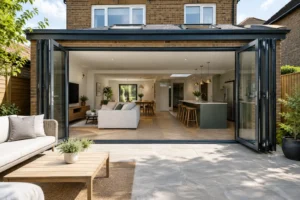
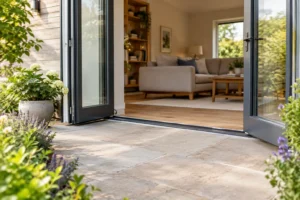
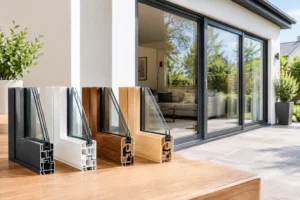
When deciding how to order replacement windows, material is one of the biggest choices. Aluminium remains a strong option for homeowners who want slim profiles, a contemporary appearance and long-term durability. It also works particularly well where replacement windows need to sit alongside aluminium bifold or sliding doors, creating a consistent finish across the property.
Modern thermally broken aluminium windows are far removed from older metal frames. Systems such as Smarts Alitherm 400 Windows combine strength with energy efficiency, while offering a broad choice of colours, handles and opening configurations. That makes them suitable for everything from kitchen extensions to full-house refurbishments.
Style is just as important as material. Casement windows remain the most popular choice in UK homes because they are versatile and practical. Hidden sash designs are worth considering if you want a neater, more architectural look with less visible frame. The right answer depends on the age of the property, the size of the openings and the look you want to achieve.
Think carefully about glazing specification
The glass does much of the hard work in a replacement window. It affects warmth, comfort, privacy, solar gain and noise reduction. That is why glazing should never be treated as an afterthought.
Standard double glazing is suitable for many homes, but not every room has the same requirements. A street-facing bedroom may benefit from acoustic glazing. A bathroom may need obscure glass for privacy. A large south-facing room may require solar control glass to reduce overheating in summer. If security is a concern at ground level, laminated glazing can add another layer of protection.
This is where expert advice is useful. A cheaper specification may reduce the upfront price, but not every saving is worthwhile. If you are already investing in made-to-measure aluminium windows, matching them with the right energy-efficient glazing usually provides better long-term value.
Check U-values and real-world performance
Many buyers focus on headline ratings alone, but performance should be looked at in context. A window’s overall thermal efficiency depends on the full system – frame, glazing, spacer bars and seals. Ask what the quoted U-value applies to and whether it reflects the complete window rather than just the glass. Clear answers here are a sign you are dealing with a specialist rather than a reseller.
Confirm ventilation, security and compliance
Replacement windows need to do more than open and close. They also need to support ventilation, security and compliance with Building Regulations. This is especially relevant if you are replacing windows in habitable rooms, upper floors or escape routes.
Trickle vents may be required depending on the property and scope of work. Fire escape hinges may be needed in bedrooms. Safety glazing can be necessary in certain locations, such as low-level panes and doorside windows. These details can affect the final specification, so they should be considered before the order is signed off.
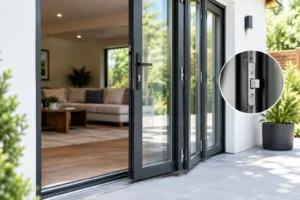
Security should also be built in, not bolted on as an afterthought. High-quality locking systems, strong hardware and well-engineered profiles all contribute to a more secure result. For most homeowners, that reassurance matters just as much as appearance.
Compare quotes properly
Once you begin requesting prices, compare like for like. Two quotes can look similar on the surface and still include very different specifications. One may allow for premium hardware, thermally efficient glazing and professional installation, while another may be priced to a much lower standard.
Look beyond the total figure. Check the system being quoted, the glazing specification, finish, ironmongery, lead times and whether delivery or fitting is included. Also ask who is responsible for surveying and whether Building Regulations compliance is covered as part of the installation service.
If you are choosing between supply-only and installation, be realistic about the trade-off. Supply-only can work well for experienced renovators or customers with a trusted builder in place. Full installation offers more control, less coordination on your side and a clearer chain of responsibility if adjustments are needed.
Review colours, hardware and finishing details
This is the stage where replacement windows stop being purely practical and start shaping the final look of your home. Frame colour, handle finish, glazing bars and cill details all affect the end result.
Anthracite grey remains a popular choice for contemporary properties, but it is not the only option. Black, white and dual-colour finishes can all work well depending on the style of the house. Internally, you may want a lighter finish to keep the room bright, even if the exterior is darker.
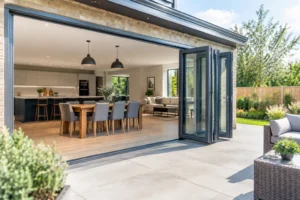
Small design details matter more than many people expect. If your new windows sit near Smarts Visofold 1000 Bifold Doors or a modern sliding door, consistency across frame sightlines and finishes helps the whole elevation feel properly considered.
What happens after you place the order
Once the specification is agreed, the order typically moves to final survey, manufacture and installation or delivery. Because replacement windows are usually made to order, lead times can vary depending on the system, colour and project size. It is worth asking for realistic timescales rather than optimistic ones.
Before manufacture begins, review the order confirmation carefully. Check sizes, handing, colours, glazing types and hardware choices. This is your chance to correct anything before production starts. A dependable supplier will walk you through that paperwork clearly and answer questions in plain English.
If installation is included, ask what preparation is required inside the home and whether making good is part of the service. If it is supply-only, confirm delivery arrangements and storage requirements, especially for larger glazed units.
Ordering replacement windows does not need to be complicated, but it does reward careful decisions. The best results come from treating the project as a tailored upgrade to your home, not a quick commodity purchase. Take the time to get the specification right, ask direct questions, and choose a supplier who understands both performance and finish. The windows will be there for years, so the ordering process should feel just as solid as the product itself.