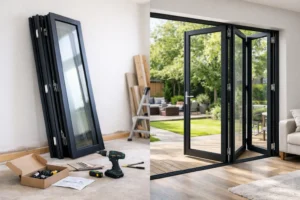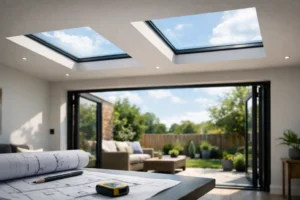
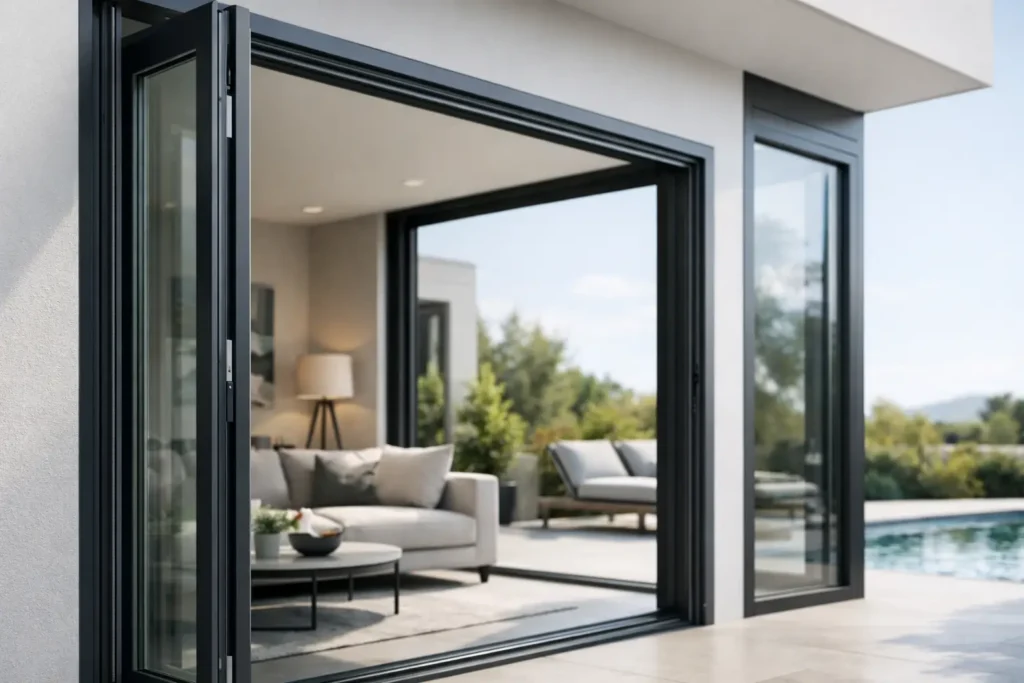
A decade ago, most homeowners choosing new doors were weighing up style against practicality. If you wanted big panes of glass and a contemporary look, you often accepted compromises elsewhere. The future of aluminium doors looks very different. For UK homes, it is moving towards better thermal performance, stronger security, slimmer sightlines and more tailored design – all without losing the clean, modern finish that made aluminium so popular in the first place.
That matters most in the rooms where people feel every design decision. Kitchen extensions, garden rooms and open-plan living spaces need doors that bring in light, connect well with the outside and still work hard through winter. Aluminium is well placed for that job because it combines strength, durability and design flexibility in a way few other materials can match.
Why the future of aluminium doors is changing fast
Home improvement has become more performance-led. Homeowners still care about appearance, but they are asking sharper questions about energy bills, security, compliance and long-term value. Doors are no longer seen as a finishing touch. They are part of how a home feels day to day and how efficiently it performs.
This is one reason aluminium continues to gain ground. Modern systems use thermal break technology and energy efficient glazing to improve insulation, helping aluminium doors feel far more suited to year-round living than older generations ever did. That shift is significant because it answers one of the biggest concerns people once had about metal frames.
At the same time, demand for larger openings has not gone away. If anything, it has grown. Homeowners want wider bifold and sliding door spans, lower thresholds, cleaner lines and uninterrupted views of the garden. Aluminium makes that possible because of its inherent strength. Slim frames can support larger glazed areas without looking bulky, which is exactly where contemporary home design is heading.
Slimmer frames, bigger glass, better light
The visual direction is clear. Future aluminium door design will continue to favour minimal framing and maximum glass. In practical terms, that means more daylight, a stronger sense of space and better views out.
For many homes, this is not just about appearance. A brighter rear elevation can transform how an extension feels. Natural light reaches deeper into the room, and the boundary between inside and outside becomes less abrupt. That is why bifold and sliding systems remain so popular in family kitchens and living spaces.
There is, however, a trade-off. Ultra-slim sightlines are attractive, but they need to be balanced with structural requirements, glass specification and overall door size. The best result is not always the absolute thinnest frame on paper. It is the system that gives you the right mix of aesthetics, strength and reliable everyday operation.
This is where product choice matters. A system such as Smarts Visofold 1000 Bifold Doors or a Smarts Visoglide Plus sliding door can suit many domestic projects, while larger or more design-led schemes may lean towards options such as Cortizo COR Vision Sliding Door or Schuco ASE80 Sliding Door. The future is not one standard door for every property. It is better matching of system to project.
Thermal performance will matter even more
Rising energy costs have changed what buyers expect from glazing products. A door that looks impressive but struggles to retain heat is a harder sell than it once was. The future of aluminium doors will be shaped by this reality.
Modern aluminium systems are already far ahead of older designs thanks to thermal breaks, improved seals and high-performance double or triple glazing options. For homeowners, the result is more comfortable internal temperatures and better efficiency from large glazed openings.
Even so, there is no single answer that suits every home. A south-facing extension may need careful solar control as much as it needs insulation. A shaded rear room may prioritise heat retention. Threshold design, glazing specification and frame system all play a part. Choosing well means looking beyond the frame colour and opening style and considering how the door will perform in that specific room.
As Building Regulations continue to focus on energy efficiency, homeowners can expect better-performing aluminium systems to become the norm rather than the premium option. That is a good development for anyone investing in a long-term improvement.
Security is becoming less visible and more advanced
Security has also moved on. The strongest door is not always the one that looks heavy or over-engineered. In many modern aluminium systems, top-of-the-range security is built into the product without affecting the clean finish homeowners want.
Multi-point locking, stronger hardware, improved cylinder options and tested frame designs are already standard on quality systems. Going forward, homeowners are likely to see even more refinement in this area, with security features integrated neatly into slimline designs rather than added as obvious extras.
That matters because patio, bifold and sliding doors often sit at the rear of the home, where easy access to the garden is a benefit for the family but also a point that needs proper protection. Good security should feel reassuring, not intrusive. It should also work smoothly, because a door used every day needs to be practical as well as secure.
More bespoke choices, not more confusion
One of the biggest shifts in the market is the move towards tailored products. Homeowners no longer want to pick from a narrow range of sizes and finishes. They want a door that suits their home properly.
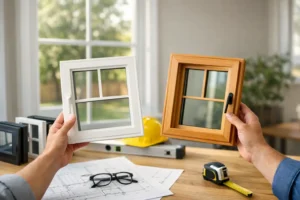
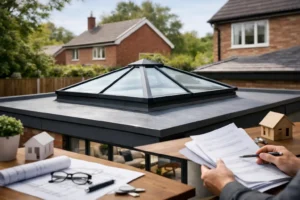
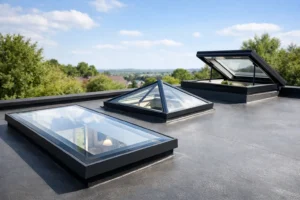
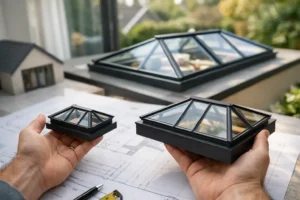
That includes frame colour, panel configuration, opening direction, hardware finish, threshold detail and the relationship between doors, roof glazing and windows. A rear extension might combine bifold doors with Smarts Alitherm 400 Windows or a roof lantern to create a more complete glazed scheme. The future of aluminium doors sits within that bigger design picture.
More choice is a real advantage, but it can become overwhelming if it is not guided well. Not every configuration works equally well in practice. Three panels might suit one opening better than four. A sliding door may preserve wall space more effectively than bifolds in a compact room. Flush thresholds look smart and improve accessibility, but they also need to be considered carefully in relation to weather performance and floor levels.
The best suppliers help homeowners narrow the options, not expand them endlessly.
Bifolds and sliders will keep evolving side by side
There is often a tendency to frame bifolds versus sliding doors as if one will replace the other. That is unlikely. The future of aluminium doors is more balanced than that, because both styles solve different problems.
Bifold doors are ideal when homeowners want to open up a large proportion of the opening and create a strong connection to the patio or garden. They suit social spaces particularly well, especially where entertaining and indoor-outdoor living are priorities. Systems such as Smarts Visofold 6000 Bifold Doors, Origin OB36 Bifold Doors and Schuco ASFD75 Bifold doors show how refined this category has become.
Sliding doors, by contrast, tend to suit projects where uninterrupted views and minimal framing are the priority. Because the panels slide rather than fold, they also avoid the stacking zone that bifolds require. In some layouts, that makes them the smarter option.
For many households, the choice will come down to how the room is used, how often the opening will be fully opened, and what matters more – a wider clear opening or larger fixed panes of glass. Neither answer is universal, and that is exactly why both door types will remain relevant.
Installation quality will shape long-term performance
As aluminium door systems become more advanced, installation becomes even more important. A high-specification product can only perform as intended if it is measured, manufactured and fitted correctly.
This affects everything from operation and alignment to weather resistance and thermal efficiency. Large glazed doors are precision products. Small errors at survey or installation stage can show up quickly in daily use. That is why experience matters, whether a homeowner chooses a full installation service or a supply-only route for a managed project.
For buyers, this is where reassurance counts. Compliance with Building Regulations, accurate specification and practical advice before ordering all help prevent expensive mistakes later. It also means the finished doors look and feel like part of the home rather than a compromise fitted into it.
What homeowners should expect next
Over the next few years, homeowners should expect aluminium doors to become more refined rather than radically different. The biggest gains will come from incremental improvements that make a noticeable difference in daily life – warmer frames, better glazing options, more reliable hardware, slimmer profiles and broader customisation.
That is good news because it means the category is maturing in the right direction. Instead of chasing novelty, manufacturers are improving the features that genuinely matter in British homes. Better comfort in winter, easier access to the garden, stronger security and a more polished architectural finish are not trends that will fade quickly.
For anyone planning an extension or replacing older patio doors, the smart approach is to think beyond the brochure image. Consider how the doors will open, how the room faces, what level of thermal performance you need and how much tailoring will improve the end result. The future of aluminium doors is not only about bigger glass and slimmer frames. It is about choosing a system that works beautifully for the way you actually live.
If your home improvement plans are still taking shape, that is often the best moment to ask the right questions – because the right aluminium door should still feel like the right choice many winters from now.