A tired window frame can make an otherwise well-finished room feel dated, draughty and less secure. Yet choosing a replacement is not simply a matter of picking a colour from a chart. This replacement window frame material guide explains how aluminium, uPVC and timber perform in real UK homes, so you can invest in windows that suit your property, budget and plans for the years ahead.
Replacement window frame material guide: start with the room
The right material is often shaped by where the window sits. A large rear extension with garden-facing glazing has different demands from a compact bedroom window, a period bay or a bathroom that receives little direct sunlight.
Think about the view you want to preserve, the size of the opening, the architectural style of the property and how much maintenance you are prepared to take on. Also consider whether you are replacing a single window or creating a consistent look across the whole house. Matching sightlines, frame finishes and handle colours can make a significant difference to the finished result.
Thermal performance matters in every room, but it is not determined by the frame alone. The glazing specification, installation quality, seals and the way the window is fitted into the existing opening all affect comfort and energy efficiency.
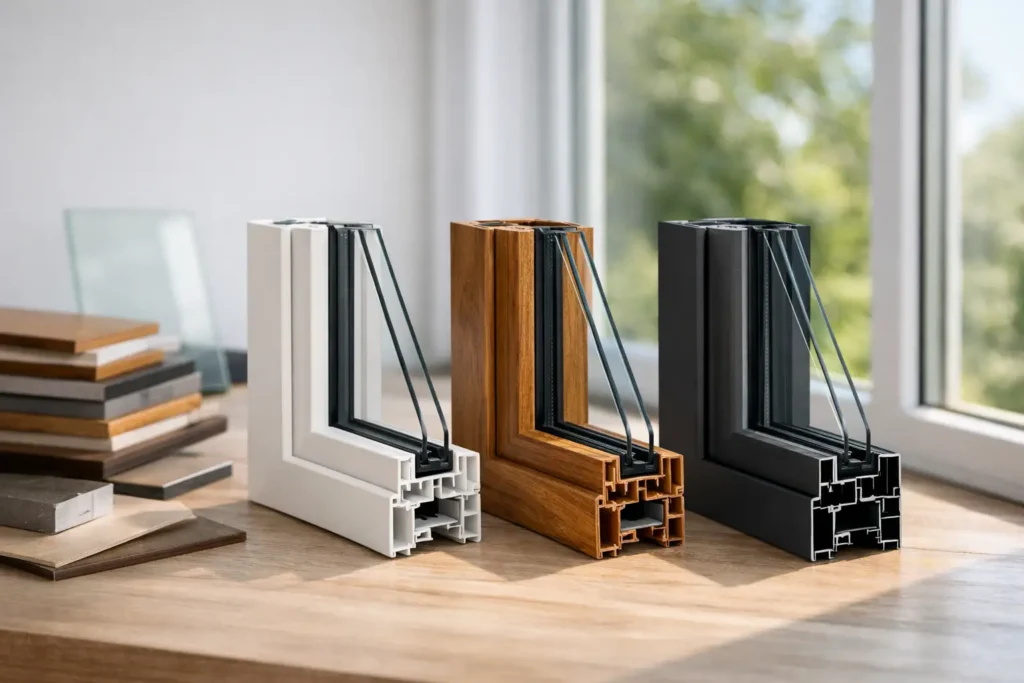
Aluminium: slim frames, strength and a modern finish
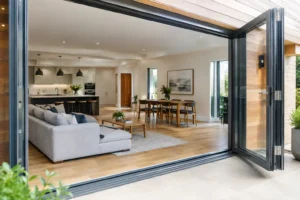
Aluminium is a strong choice for homeowners who want generous glass areas and a clean contemporary appearance. Because aluminium is structurally strong, it can support larger panes with slimmer visible frames than many alternative materials. That means more daylight, clearer garden views and a refined architectural finish.
Modern aluminium replacement windows use thermally broken profiles. The thermal break separates the inner and outer sections of the frame, reducing the transfer of heat through the metal. Combined with energy-efficient double or triple glazing, this helps create a warmer home and can reduce cold spots around the window opening.
Aluminium is also highly durable. It does not swell, rot or warp with changes in weather, and powder-coated finishes require very little routine maintenance beyond occasional cleaning. It is particularly well suited to extensions, contemporary renovations and homes where aluminium bifold or sliding doors are already part of the design.
The main trade-off is initial cost. Quality aluminium systems usually cost more than standard uPVC, especially where bespoke sizes, specialist glazing or premium hardware are involved. However, their long service life, strong security potential and enduring appearance can make them a sensible long-term investment.
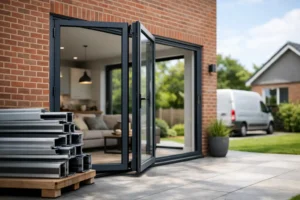
For example, Smarts Alitherm 400 Windows offer a practical aluminium option for homeowners seeking slim profiles, dependable thermal performance and tailored colours. They can be specified to complement modern patio doors or create a consistent finish throughout an extension.
When aluminium makes most sense
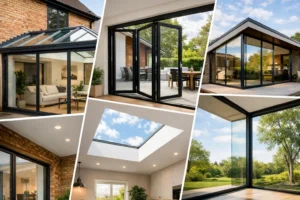
Aluminium is often the best fit for large casement windows, wide fixed panes, contemporary bays and projects where light is the priority. It also works well when you want dark grey, black or distinctive coloured frames without the risk of fading, peeling or regular repainting.
If you live near the coast, ask about the appropriate finish and maintenance requirements. Salt-laden air is demanding, so the right specification remains essential even with a naturally durable material.
uPVC: cost-effective and familiar
uPVC remains widely used because it offers good thermal performance at an accessible price point. It is low maintenance, available in a broad range of styles and can be an effective upgrade from older single-glazed or poorly sealed windows.
For standard-sized replacement windows, uPVC may provide the most economical route to improved comfort and security. Modern multi-chamber profiles and quality double glazing perform far better than the bulky, basic uPVC frames many homeowners remember from decades ago.
There are limits, though. uPVC frames are generally thicker than aluminium, which can reduce the glass area in larger openings. While foil finishes can create woodgrain effects or contemporary colours, the overall appearance may not achieve the same sharp, slim-lined result as aluminium. Very large or unusually shaped openings may also require more reinforcement.
uPVC can be an entirely sensible choice for practical upgrades, particularly where budget is the overriding concern. It is worth comparing the complete specification, rather than making a decision on frame material alone. A cheap unit with basic locks, poor glazing and weak installation will not deliver the same value as a properly specified window.
Timber: character with a maintenance commitment
Timber windows have a warmth and authenticity that can be difficult to replicate. They are often chosen for cottages, traditional homes and properties in conservation areas where the original character of the building matters as much as energy performance.
Well-made engineered timber can offer excellent insulation and a handsome finish. It can also be repaired in ways that other materials cannot always match. For a listed property or a carefully restored period home, timber may be the most appropriate route, subject to local planning and conservation requirements.
The compromise is upkeep. Painted or stained timber needs regular inspection and periodic redecoration to protect it from moisture and UV exposure. Neglect can lead to peeling coatings, swelling and eventually decay, particularly on exposed elevations. The maintenance programme should be realistic for your household, not an afterthought at the point of purchase.
Some homeowners choose timber-effect finishes or aluminium-clad timber systems to balance heritage appearance with reduced external maintenance. These can be excellent products, but they are usually a premium choice and should be assessed on their full construction and warranty rather than appearance alone.
Compare more than the frame material
A replacement window should be judged as a complete system. The material gets most of the attention, but the details decide how it feels to use every day.
Security begins with the frame, locking points, hinges, glass specification and professional fitting working together. Look for windows with secure multipoint locking and hardware suited to the opening style. Ground-floor and easily accessible windows deserve particular attention, but strong security should be standard throughout the home.
Glazing has a major effect on heat retention, outside noise and solar gain. Double glazing is suitable for many projects, while triple glazing can be worthwhile in exposed locations or where you are seeking the lowest possible heat loss. It is not automatically the right choice for every window, however. Triple-glazed units are heavier and may add cost, so discuss whether the improvement is meaningful for your property.
Ventilation should also be planned. Modern replacement windows can make a home much more airtight, which is positive for warmth but means background ventilation must be handled correctly. Trickle vents may be required depending on the project and existing ventilation arrangements. They should be considered early, especially if you are concerned about appearance or acoustic performance.
Style, colour and planning considerations
Frame material should support the design of your home rather than compete with it. White uPVC remains popular for traditional housing, while anthracite grey aluminium can give an extension a striking modern edge. Aluminium can be powder coated in a wide choice of colours, including different internal and external finishes where the project calls for it.
Casement windows suit many property types, while flush designs can create a more traditional appearance. Fixed picture windows maximise light where ventilation is not needed. For a sharper contemporary look, systems such as Cortizo Hidden Sash Windows minimise the visible sash line and place greater emphasis on the glass.
If your property is listed, in a conservation area or subject to an Article 4 direction, check the requirements before placing an order. Like-for-like replacement may still need careful consideration, particularly where original timber windows, glazing bar patterns or opening styles are involved. A material that is technically capable may not always be acceptable in planning terms.
Making a decision that lasts
There is no universal winner. Aluminium is ideal for slim sightlines, large glazing areas and a low-maintenance contemporary finish. uPVC is a practical, cost-conscious option for many standard replacements. Timber brings natural character but asks more of the owner over its lifetime.
Ask for a specification that sets out the frame system, glass, security hardware, ventilation, finish and fitting method clearly. It makes quotes easier to compare and helps avoid costly assumptions later. For a bespoke aluminium solution, Smarts Bifold Doors can advise on supply-only or fully installed replacement windows designed around your opening and the way you want the space to feel.
The best replacement window is the one that still looks right, feels secure and keeps the room comfortable long after the renovation dust has settled.