
If your rooms feel draughty even with the heating on, or the frames look tired no matter how often they are cleaned, replacement windows usually move from a nice idea to a sensible next step. For many homeowners, they are not just about changing the look of the property. They are about warmth, security, lower maintenance and making everyday living feel more comfortable.
The challenge is that not all windows solve the same problem. Some are chosen to improve thermal performance. Some are about updating the style of an older property. Others need to bring in more light while still meeting modern standards for safety, ventilation and energy efficiency. The right choice depends on what your home needs now, and how you want it to perform in the years ahead.
Why replacement windows are worth considering
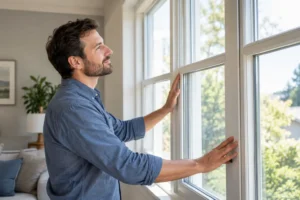
Old or poorly performing windows tend to show their age in small but noticeable ways. You may see condensation collecting on the inside, feel cold spots near the glass, hear more outside noise than you would like, or notice that locks and hinges no longer feel as secure as they should. Sometimes the issue is obvious. Sometimes it is a gradual decline that becomes clear only after one difficult winter.
Good replacement windows address several issues at once. They can improve insulation, reduce draughts and support a more consistent indoor temperature. They can also sharpen the appearance of the property from both inside and out. If you are already renovating a kitchen, updating a rear extension or replacing patio or bifold doors, changing the windows at the same time often creates a more coherent finish.
For homeowners focused on modern glazing, aluminium is a particularly strong option. It offers slim sightlines, a clean architectural look and long-term durability, while thermal break technology and energy efficient glazing help deliver strong thermal performance. That balance matters. You want a product that looks refined, but it also needs to work hard through every season.
What to look for in replacement windows
The best replacement windows are not simply the cheapest quote or the quickest lead time. They are the windows that suit the style of your home, meet current regulations and perform well in daily use.
Thermal efficiency is one of the first things to assess. A well-made window with the right glazing specification can help reduce heat loss and improve comfort, particularly in older homes where existing units may be far behind modern standards. U-values, glazing specification and frame design all play a part, so it is worth looking beyond broad claims and focusing on the actual system being offered.
Security matters just as much. A window should not only look solid but include reliable locking hardware as standard. Homeowners are often surprised by how much reassurance comes from replacing older units with modern, well-engineered systems designed to meet current expectations.
Then there is appearance. Frame depth, sightlines, opening style and finish all influence the final result. If your aim is to bring in more light or create a cleaner, more contemporary elevation, the profile design becomes especially important. Slim frames can make a marked difference, particularly in rear-facing rooms, open-plan spaces and extensions where glazing is a major visual feature.
Choosing the right material for your home
Material choice shapes both the look and long-term behaviour of your windows. uPVC remains common, largely because of its upfront affordability, but many homeowners looking for a more premium finish now choose aluminium.
Aluminium replacement windows are particularly well suited to contemporary homes, modernised period properties and extensions with larger glazed openings. They provide strength without bulky framing, which means you can achieve a cleaner look and maximise the glass area. They are also low maintenance and highly durable, making them a practical long-term investment rather than a short-term cosmetic fix.
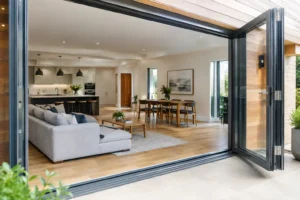
That said, there is no single correct choice for every property. A traditional house may call for a more considered approach to sightlines and detailing. A rear extension may prioritise larger panes and a close match with sliding or bifold doors. If your project includes products such as Smarts Visofold 1000 Bifold Doors or a Smarts Visoglide Plus sliding door, selecting complementary aluminium windows can help the whole scheme feel intentional rather than pieced together.
Which style of replacement windows works best?
Window style should be led by the property, the room and how you use the space. Casement windows remain one of the most versatile options for UK homes because they suit a wide range of elevations and offer straightforward ventilation.
Systems such as Smarts Alitherm 400 Windows, Cortizo Casement Windows and Schuco AWS80SC Casement Windows are often considered where homeowners want a modern aluminium solution with strong thermal performance and dependable everyday use. For those aiming for a more minimal external appearance, Cortizo Hidden Sash Windows can create a particularly clean finish, reducing the visible frame and placing more emphasis on the glass.
The practical side matters too. In a kitchen, easy operation and ventilation may be the priority. In a bedroom, acoustic performance and warmth may matter more. In a front elevation, the main concern may be maintaining the character of the property while improving performance. A good specification takes all of that into account rather than treating every opening the same.
Replacement windows and the wider renovation picture
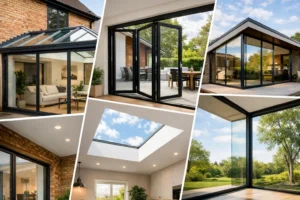
Windows rarely sit in isolation. They are part of how the whole home looks and performs. If you are updating doors, adding a roof lantern or redesigning the back of the property to create a brighter living space, your window choice should support that wider goal.
This is where bespoke glazing becomes valuable. Matching colours, aligned sightlines and coordinated hardware finishes can help tie different elements together. A property with new bifold or sliding doors but dated windows nearby can feel incomplete. On the other hand, replacing both at the same time can transform the feel of the space, especially where the aim is better garden access, more daylight and a stronger indoor-outdoor connection.
For homeowners who want consistency, aluminium systems are often easier to coordinate across multiple product types. That can be useful if your project includes windows now and larger glazed doors later, or if you are planning the upgrade in phases.
Installation, compliance and getting the details right
Even an excellent product can underperform if it is badly measured or poorly fitted. Replacement windows need accurate surveying, careful installation and proper finishing if they are going to deliver the security, thermal efficiency and weather performance they are designed for.
This is also why compliance matters. Building Regulations are not just paperwork. They help ensure your new windows meet current standards for energy performance, safety and ventilation. For homeowners, the practical value is simple. You want confidence that the finished installation is not only attractive but correct.
There is also the question of service model. Some customers want a full installation handled from survey to completion. Others are comfortable with a supply-only route, particularly if they are managing a wider renovation or working with their own builder. A specialist that can support both approaches gives you more flexibility, provided the product specification and technical guidance remain strong.
How to compare quotes without getting caught out
A low headline price can be tempting, but windows are one of those purchases where the detail matters more than the first number you see. Two quotes may appear similar while offering very different frame systems, glazing performance, hardware quality and installation scope.
Ask what is actually included. Does the quote cover removal of old frames, making good internally, trickle vents where required, and the exact colour and hardware finish you want? Is the glazing specification clear? Are you being shown a recognised system, or just a generic product description?
This is also the stage where lead time, guarantees and aftercare should be discussed. Replacement windows are a long-term part of the home. A dependable supplier should be able to explain the technical side in plain English and give you confidence in both the product and the process.
For many homeowners, the best result comes from balancing style, performance and budget rather than chasing just one of them. Spending slightly more on a better system can make sense if it delivers improved comfort, stronger security and a finish that properly lifts the property.
If you are planning replacement windows, start by being honest about what is not working in your current home. That usually points you towards the right solution faster than any trend or brochure ever will, and it is the difference between simply replacing a window and genuinely improving the way your home feels every day.