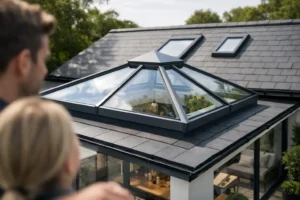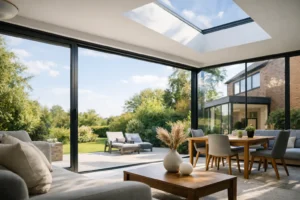
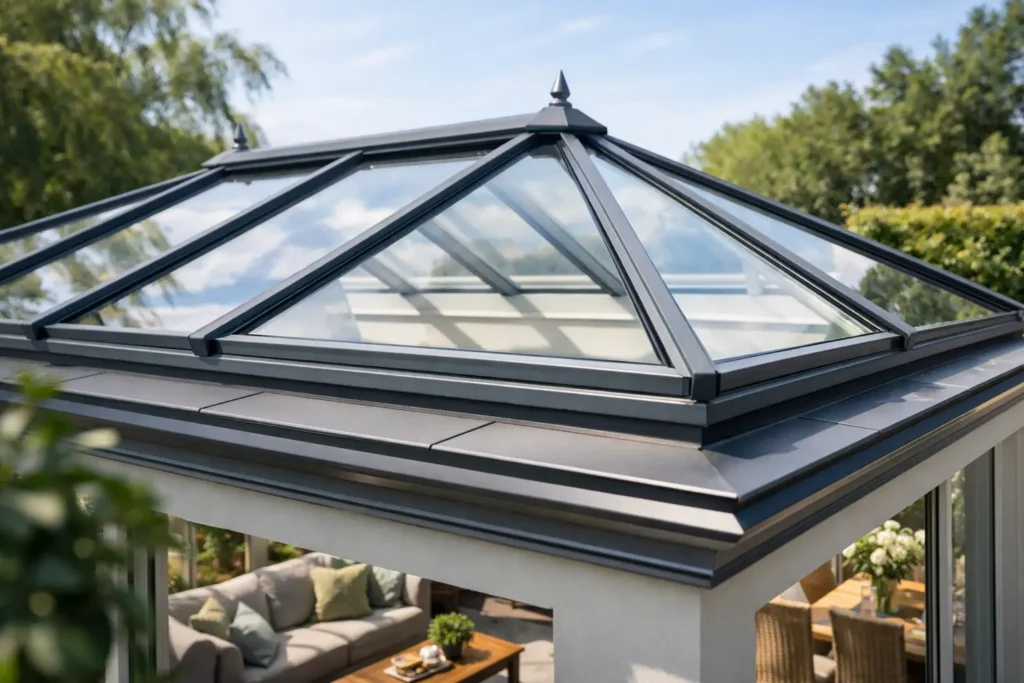
An orangery should feel like a natural extension of the home, not a room that is pleasant only on bright summer days. Choosing the right roof lantern for an orangery is central to that result. It brings daylight deeper into the room, creates a strong architectural focal point and can make a kitchen, dining area or garden room feel noticeably more open.
The best specification is not simply the largest lantern that will fit. Its proportions, glazing, frame finish and thermal performance all need to work with the size, orientation and intended use of your orangery. Get those details right early and the finished space will be brighter, more comfortable and more enjoyable throughout the year.
What makes a roof lantern right for an orangery?
An orangery traditionally combines a solid roof perimeter with glazed walls, often supported by brick piers or substantial columns. That solid edge gives a roof lantern a defined place to sit, rather than making it appear as though glazing has been added across the whole roof. The result can be contemporary or classically styled, depending on the lantern profile and the rest of the extension.
A well-proportioned lantern draws the eye upwards and allows light to fall through the centre of the room. This is particularly valuable where an orangery opens into an existing kitchen or living room, as daylight can reach areas that side windows and patio doors may not fully serve.
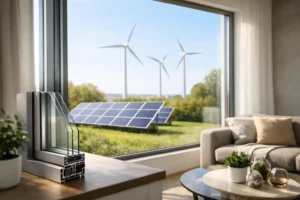
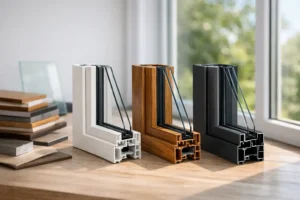
Aluminium is a strong choice for this application. It allows for slim, refined sightlines while providing the rigidity needed for larger glazed roof structures. Quality aluminium systems use a thermal break between the inner and outer sections of the frame, helping to reduce heat transfer and support a more energy-efficient design.
Start with the room, not the lantern
It is tempting to choose a lantern from photographs, but proportions need to be assessed against the actual roof and room below. A lantern that looks restrained on a large extension can overwhelm a compact orangery. Equally, one that is too small may not deliver the natural light or visual impact you expect.
As a starting point, consider the area of the solid roof surrounding the lantern. There should be a balanced upstand and roof margin on every side, with enough solid roof to retain the orangery character and accommodate gutters, insulation and structural support. The exact dimensions should be confirmed by the designer, builder or structural engineer, especially where the opening is large.
The ceiling height also matters. A roof lantern adds visual height because of its raised, pitched form, but it will not compensate for a low or poorly planned ceiling. In a kitchen orangery, think about where the lantern sits in relation to an island, dining table and seating area. Centring it over the main living zone often gives the cleanest result.
Shape and pitch affect the finished look
Most homeowners choose between a rectangular lantern and a square design. A rectangular roof lantern can complement a long kitchen extension, while a square version often works well over a central dining space. The number of glazing panels and the position of the ridge should be designed to keep frame lines neat rather than distracting.
A lower-pitched lantern tends to look crisp and contemporary, particularly with slim aluminium sections. A more pronounced pitch can suit a traditional orangery, though it may be more visible from upper-floor windows or neighbouring properties. The right choice depends on the house, the planning context and the look you want from both inside and outside.
Choose glazing for comfort, not daylight alone
More glass means more daylight, but glass specification determines whether that light remains comfortable. South- and west-facing orangeries receive the strongest sun, so solar control glass is often worth considering. It can reduce solar gain and glare while still admitting useful natural light.
For a north-facing space, maximising light may be the priority. A clear, high-performance double-glazed unit may be the better balance, provided the wider roof and wall specification is designed to meet the required thermal standards. Triple glazing can improve insulation in some situations, but it also adds weight and may slightly reduce light transmission. It is not automatically the best option for every lantern.
Look beyond a single advertised U-value. The performance of the complete roof build-up, including the glazed unit, aluminium frame, upstand and surrounding insulated roof, is what matters in practice. A suitable lantern should use energy-efficient glazing and a thermally broken frame, but the full extension design must also comply with the relevant Building Regulations.
Safety is equally important. Roof glazing must be specified with appropriate safety glass for its location and installation. Toughened or laminated panes may be required, and a competent supplier should confirm the correct glass build-up rather than treating every roof lantern as the same.
Ventilation and shading deserve early consideration
An orangery with large bifold or sliding doors can be easily aired when the weather allows. However, roof-level ventilation can still be useful because warm air naturally rises. Opening roof vents, whether manually operated or electrically controlled, can help release heat on warm days and provide background ventilation when doors are closed.
This is especially useful in a kitchen, where cooking generates additional heat and moisture. Electric vents with rain sensors offer convenience, although they add cost and should be planned alongside the electrical layout. They are a practical upgrade, not a necessity for every project.
Blinds are another consideration. Roof lantern blinds can soften glare and offer privacy after dark, but they change the clean, open appearance that makes a lantern so appealing. Before specifying them, assess the room orientation and how you use the space. Solar-control glass may reduce the need for frequent shading, while external shading can be more effective where overheating is a known concern.
Match the frame colour to the wider glazing scheme
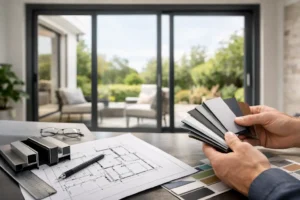
A roof lantern does not need to match every finish in the room, but it should relate clearly to the rest of the extension. Anthracite grey and black remain popular choices because they define the roof shape and sit well with modern aluminium doors. A lighter internal finish can make the ceiling feel softer, while a darker exterior can complement window frames, guttering or cladding.
For a coordinated garden-facing elevation, consider the lantern alongside your chosen doors. A slim-profile system such as Smarts Visofold 1000 Bifold Doors can create a consistent aluminium look between the roof and opening walls, while large sliding doors may suit homeowners who want uninterrupted views across the garden. The important point is to consider the full glazed elevation together, not as separate purchases.
Installation, structure and approvals
A roof lantern is only as good as the roof opening beneath it. The supporting structure must be designed to carry the lantern, glazing and local wind or snow loads, while the upstand must be level, insulated and correctly weathered. Small errors in the build-up can affect drainage, thermal performance and the finished sightlines.
Planning permission is not always required for an orangery or roof lantern, particularly where permitted development rights apply. That said, allowances depend on the property, extension size, roof height, conservation area status and previous alterations. Building Regulations approval is a separate matter and commonly applies to structural work and thermal performance.
For a straightforward project, a specialist can supply a bespoke lantern to agreed dimensions for installation by your builder. For homeowners who want one point of responsibility, a full survey and installation service offers added reassurance. In either case, confirm who is responsible for structural calculations, roof preparation, electrical work for vents or blinds, and Building Control sign-off before work begins.
Invest in a design that will still work in winter
The most successful orangery is not judged on the day the glass is fitted. It is judged on a cold January morning, during a bright July lunch and on an ordinary evening when the lights are on and the garden doors are closed. A roof lantern should add light without making the room feel exposed, and provide architectural character without creating unnecessary heat loss or overheating.
Take accurate dimensions, consider the sun path, and choose a glazing and frame specification that suits your home rather than following a one-size-fits-all trend. A carefully designed roof lantern can give your orangery the light, height and lasting quality that makes the whole extension feel worth the investment.