A modern home can look exactly right on paper and still feel slightly off once the windows go in. Frames that are too bulky, glazing bars in the wrong place, or a style that fights the architecture can all dilute the clean, light-filled finish most homeowners want. If you are asking which windows suit modern homes, the answer usually comes down to three things – sightlines, performance and how the window supports the way you use the room.
For most UK properties, modern windows are less about following a trend and more about creating a sharper overall result. That means slimmer frames, larger areas of glass, reliable thermal performance and colours that work with contemporary brick, render or extension materials. It also means choosing a style that suits the age of the house, because not every modern window has to look ultra-minimal to feel current.
Which windows suit modern homes in practice?
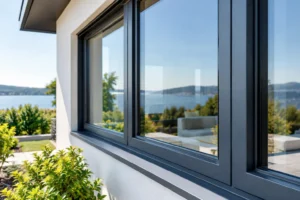
The best modern windows tend to share a few key characteristics. They let in more natural light, keep frame profiles neat, and avoid unnecessary visual clutter. Aluminium is often the strongest fit for this look because it allows for slimmer, stronger frames than many traditional alternatives, while also offering the durability and low maintenance that homeowners expect from a long-term upgrade.
That said, the right option depends on the property. A new-build with large openings can carry bold, expansive glazing more easily than a 1930s semi having a rear extension. In the first case, hidden sash or flush contemporary casements may look completely at home. In the second, a more balanced approach often works better – modern performance, clean lines and updated colours, without making the original house look disconnected from the extension.
Casement windows are usually the safest modern choice
If one style works across the widest range of homes, it is the contemporary casement window. This is often the first recommendation for homeowners who want a clean appearance without taking risks on a more niche design. Modern casements give you simple lines, strong ventilation and practical day-to-day use, while still fitting everything from kitchen extensions to full-house replacement projects.
Products such as Smarts Alitherm 400 Windows, Cortizo Casement Windows and Schuco AWS80SC Casement Windows are popular because they combine contemporary aesthetics with strong thermal performance and secure hardware. For homeowners, that matters just as much as appearance. A window may look impressive in a showroom, but if it creates draught concerns, feels awkward to operate or looks dated in five years, it is not the right investment.
Casement windows also give you flexibility with layout. You can create wider panes of fixed glass beside opening vents, which helps maintain a cleaner facade. That balance is useful in modern homes where uninterrupted glazing is part of the appeal, but practical ventilation is still essential.
Hidden sash windows create a more minimal look
For homeowners aiming for a sharper architectural finish, hidden sash windows are often one of the best answers to which windows suit modern homes. Their appeal lies in reducing the visual impact of the opening sash from the outside, so the frame lines appear more uniform and the glass area feels larger.
Cortizo Hidden Sash Windows are a strong example of this approach. They suit homes where the goal is a refined, design-led exterior with as little frame interruption as possible. On contemporary extensions, rendered garden rooms and open-plan kitchen projects, that cleaner sightline can make a noticeable difference.
There is a trade-off, though. The more minimal the design, the more important the detailing becomes. Frame colour, reveal depth and alignment with nearby doors all matter. Hidden sash windows can look excellent, but they tend to work best when the whole elevation has been considered properly rather than updated in isolation.
Frame material matters as much as window style
When people think about window choice, they often focus on whether they want casement, fixed frame or something more bespoke. In reality, frame material has just as much impact on the final result. For a genuinely modern look, aluminium is usually the strongest option.
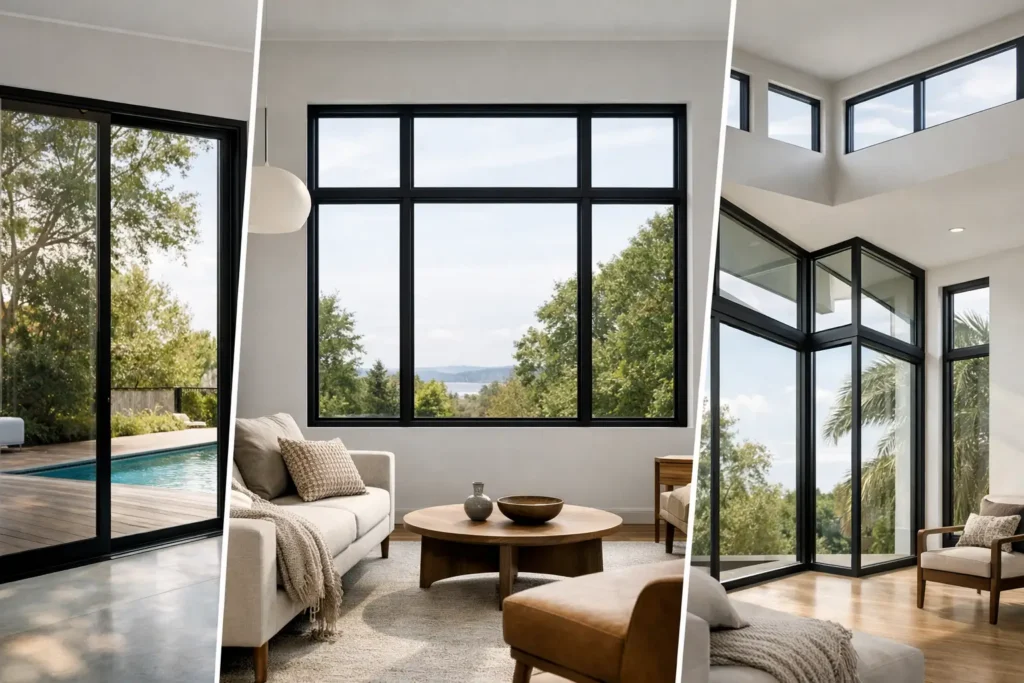
The main reason is proportion. Aluminium frames can remain slim while still offering strength and stability, which helps maximise glass and natural light. That is particularly useful in kitchen diners, rear extensions and garden-facing living spaces where the aim is to connect the inside of the home with the outside.
It also supports performance. Well-made aluminium systems with a thermal break and energy-efficient glazing can deliver the thermal efficiency modern homeowners expect, while also providing long-term durability and low upkeep. That combination is a major part of why aluminium has become such a common choice in contemporary residential design.
Colour and finish can make or break the look
A modern window is not defined by anthracite grey alone. Grey remains a popular choice for good reason – it works well with brick, white render, timber accents and aluminium doors – but it is not the only route to a current finish.
Black can look striking on the right property, especially where there are strong architectural lines and generous glazing. White still works well in many homes, particularly if the aim is to keep the exterior bright and understated. More homeowners are also choosing muted, softer tones that complement natural materials rather than dominate them.
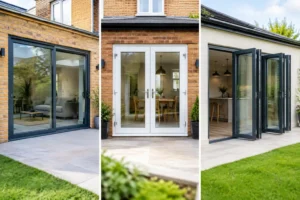
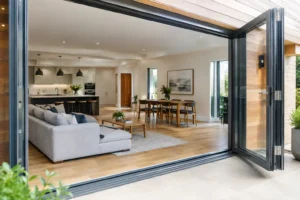
The important point is consistency. Windows should sit comfortably with bifold doors, sliding doors, rooflights and any other glazed elements in the project. If you are combining windows with systems such as Smarts Visofold 1000 Bifold Doors, Origin OB36 Bifold Doors or a Smarts Visoglide Plus sliding door, matching frame finish and sightline style helps the whole scheme feel intentional.
Think about the room, not just the elevation
The right modern window is not selected from the pavement only. It should improve how the room feels and functions from inside as well. In kitchens, that might mean larger fixed panes to bring in more daylight across worktops and dining areas. In living rooms, it may be about framing the garden and reducing visual barriers. Upstairs, privacy and ventilation often carry more weight than maximum glass area.
This is where a tailored approach matters. A house does not need the same window style in every room to feel cohesive. You might use more expansive glazing at the rear and a more measured arrangement at the front. That can be the smartest way to respect the character of the original property while still delivering a clearly modern interior.
Glazing performance should never be an afterthought
Homeowners often start with style and only later think about insulation, solar gain and comfort. In practice, these factors should be considered from the beginning. Large areas of glass can transform a space, but the specification needs to support year-round use.
High-quality glazing helps reduce heat loss, improve comfort near the window and support better energy efficiency overall. Security is equally important. Modern aluminium window systems are designed with reliable locking mechanisms and strong frame construction, so you do not have to choose between slim aesthetics and peace of mind.
It is also worth checking how the windows will work alongside the rest of the project. If you are upgrading doors, adding roof glazing or opening up the back of the house, each element should contribute to a consistent thermal and visual standard rather than being chosen separately.
Which windows suit modern homes when you are renovating an older property?
This is where the answer becomes more nuanced. Many UK homeowners want a modern result, but they are not working with a fully contemporary property. They may be extending a Victorian terrace, updating a 1930s semi or replacing dated windows in a home that still has traditional features.
In those cases, the best choice is usually a window that feels cleaner and more refined, rather than aggressively modern. Slim aluminium casements are often ideal because they upgrade performance and appearance without making the home look out of character. A hidden sash style may still work, but usually more successfully at the rear than across the entire property.
The goal is balance. A modern home improvement should add value and improve everyday living, not create a visual mismatch between old and new.
The best modern windows are the ones that work as part of a wider scheme
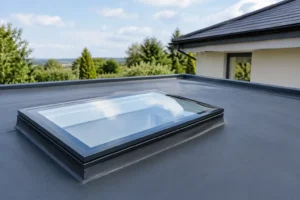
Windows rarely sit alone. They are part of a bigger picture that may include bifold doors, sliding doors, roof lanterns or flat rooflights. When these products are chosen together, the home feels brighter, better connected and more coherent.
That is why many homeowners benefit from looking at glazing as a whole rather than product by product. A well-designed aluminium window can do a great deal on its own, but it becomes even more effective when it complements the door system, sightlines and finish elsewhere in the space. For homeowners planning a major update, working with an experienced specialist such as Smarts Bifold Doors can make that decision process far clearer.
If you are weighing up which windows suit modern homes, start with the way you want the space to look and feel in five or ten years, not just what catches your eye today. The right choice should still feel sharp, practical and comfortable long after the building work is finished.