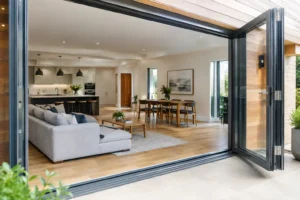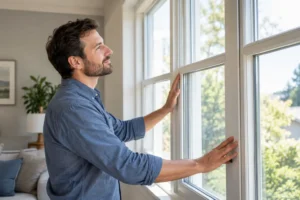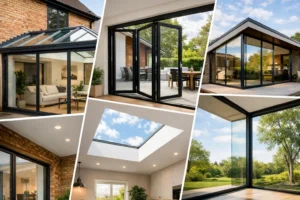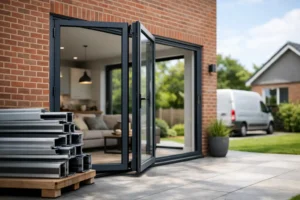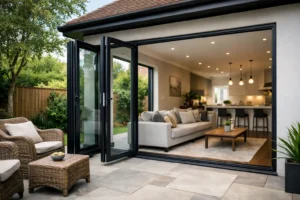
When a kitchen extension feels darker than expected or a living room still does not connect properly with the garden, sliding doors are often the detail that changes everything. Done well, they bring in wide views, better daylight and a cleaner route outside without asking for the floor space that hinged or bifold panels need.
For many homeowners, that matters just as much as style. The right door system can make a room feel larger, calmer and more usable all year round. It can also improve thermal performance, strengthen security and give a renovation the crisp, modern finish people usually have in mind when they start planning an upgrade.
Why sliding doors suit modern homes
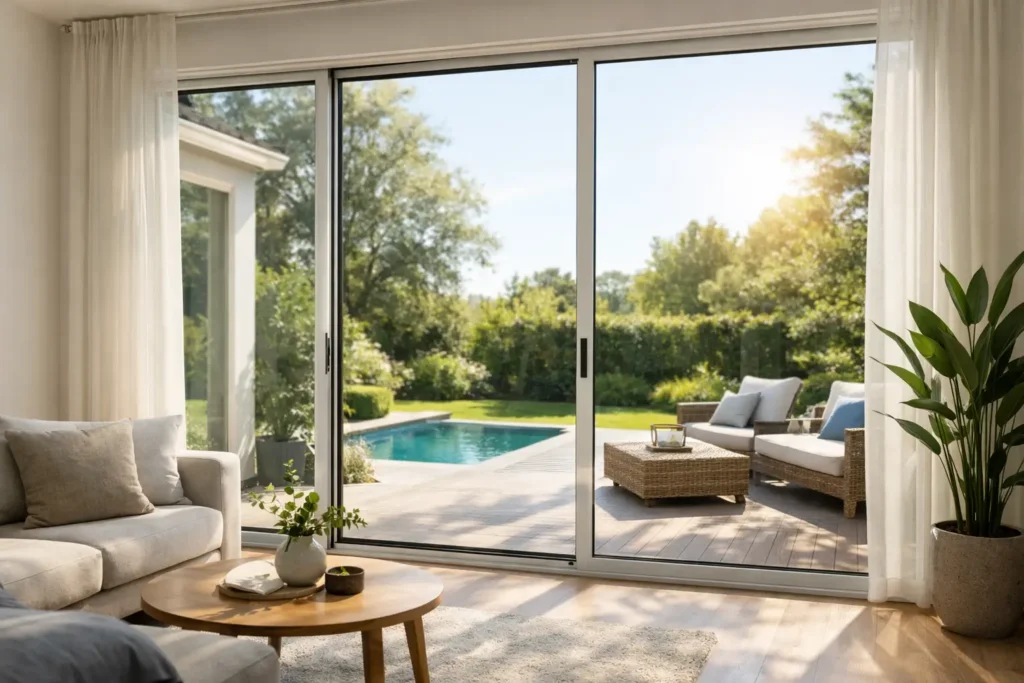
The biggest advantage of sliding doors is simple. They give you large glazed areas with minimal interruption, and they do it in a way that is practical for everyday living. Because the panels glide rather than fold or swing, furniture can sit closer to the opening and circulation through the room is easier to manage.
That makes them particularly effective in kitchen diners, rear extensions and garden-facing lounges where every square metre counts. If you want a strong visual connection with the outside but do not want the opening arc of French doors or the stacking space needed for bifolds, sliding systems are often the better fit.
There is a design benefit too. Aluminium frames allow for slim sightlines and larger panes of glass, which helps maximise natural light and gives the whole elevation a more contemporary appearance. In practical terms, the room feels brighter in winter, more open in summer and more considered all year round.
What to look for in sliding doors
Not all systems deliver the same result, even if they appear similar at first glance. The details behind the glass matter.
Frame design and sightlines
If your priority is uninterrupted views, pay close attention to the visible frame dimensions. Slimmer profiles create a lighter, more architectural look and allow more glazing within the same opening. This is one reason aluminium remains such a popular choice for contemporary home improvements.
Products such as the Smarts Visoglide Plus sliding door, Schuco ASE60 Sliding Door, Schuco ASE80 Sliding Door, Cortizo COR Vision Sliding Door and Cortizo COR Vision Plus Sliding Door are designed with this in mind, although the right option depends on your opening size, performance target and preferred aesthetics.
Thermal efficiency
Large expanses of glass should not mean a colder room. Modern aluminium sliding doors are built with a thermal break, and when paired with energy efficient glazing they can offer strong insulation values suited to current expectations. That matters for comfort near the glass line, especially in open-plan spaces where the doors form a major part of the external wall.
It is worth looking beyond broad claims and asking how the complete system performs. Glass specification, frame construction and installation quality all play a part. A well-made door can support a brighter room without making it harder or more expensive to heat.
Security and hardware
Security should be standard, not an upgrade. High-quality sliding systems typically include multi-point locking, strong aluminium construction and hardware designed for regular use. For ground floor openings at the rear of a property, that reassurance matters.
Ease of operation is just as important. Larger panels can be surprisingly smooth to move when the system is well engineered, but weight and size need to be matched properly to the frame and track. A good specification should feel solid, secure and easy to use in equal measure.
Thresholds and access
The threshold affects both appearance and day-to-day use. A low threshold can create a neater transition to the patio and improve accessibility, but the right solution depends on exposure, drainage and how flush you want the internal and external flooring to feel. This is one of those decisions where appearance and practicality need to be balanced carefully.
Sliding doors or bifold doors?
This is usually the first real decision for homeowners, and there is no one-size-fits-all answer.
If you want the widest possible clear opening in summer, bifolds have a clear advantage because the panels stack to one or both sides. Systems such as Smarts Visofold 1000 Bifold Doors, Smarts Visofold 6000 Bifold Doors and Origin OB49 Bifold Doors are often chosen for that reason. They suit people who prioritise opening the house up for entertaining and want a more flexible split between inside and out.
Sliding doors are different. They do not open the full width because one panel usually sits behind another, but they often provide larger individual panes and finer uninterrupted views when closed. If your priority is glass, light and a clean contemporary elevation through every season, sliding systems are frequently the stronger option.
It really comes down to how you will use the space. For a family kitchen used every day, the uninterrupted glazing of a sliding door can be more valuable than the occasional full-width opening of a bifold. For a social extension built around summer use, bifolds may be worth it. The best choice is the one that suits your layout, lifestyle and the way the room faces the garden.
Where sliding doors work best
Kitchen extensions
Sliding doors are especially effective in rear kitchen extensions where the aim is to bring in more daylight and create a visual link to the garden. Because they do not project into the room or outside onto the patio, they leave more flexibility for dining tables, islands and family circulation.
Living rooms and garden rooms
In lounge spaces, larger glazed panels can frame the garden almost like a picture window while still giving easy access outside. This works particularly well in homes where the rear aspect is a selling point and the goal is to make the most of it throughout the year, not just when the doors are open.
Renovations with limited space
Where a room layout is tight or furniture placement is fixed, sliding doors can solve problems that other door types create. They give a generous opening without demanding clearance space, which can make planning far easier in compact homes and smaller extensions.
Choosing the right finish and configuration
A made-to-measure door should do more than fit the opening. It should fit the house.
Panel configuration affects both the appearance and the way the doors operate. Two-panel systems can keep the look simple and symmetrical, while larger openings may benefit from three or four panels depending on how much glass you want and where you want the traffic door to sit. Bigger panes look impressive, but the practicalities of handling, access and ventilation still matter.
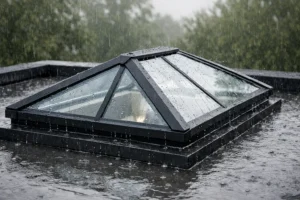
Colour and hardware choices help tie the new doors into the wider renovation. Anthracite grey remains popular for good reason, but black, white and bespoke finishes all have their place depending on the age and style of the property. The best results usually come from considering the doors alongside windows, roof glazing and the wider architectural finish rather than choosing them in isolation.
Installation quality matters as much as the product
Even an excellent door system can disappoint if it is measured or fitted badly. Large glazed openings need accurate surveying, proper structural allowances and careful installation to perform as intended. Smooth operation, weather resistance, thermal efficiency and sightline alignment all depend on the details being handled correctly.
For some homeowners, a supply-only route makes perfect sense, particularly on self-managed projects or where a trusted builder is already in place. For others, full installation offers more reassurance and a clearer route from survey to completion. Neither approach is automatically better. It depends on who is managing the work and how confident you are in the wider build process.
That is where specialist advice pays off. A good supplier will help you match the door system to the opening, explain the trade-offs clearly and make sure the final specification works on paper and on site.
A long-term upgrade, not a short-term trend
Good sliding doors do more than modernise the back of a house. They can change how the space feels every day – brighter in the morning, calmer in the evening and more connected to the garden in all seasons. With slim aluminium frames, strong security, thermally efficient construction and tailored sizing, they are one of the most effective ways to improve both the look and function of a home.
If you are planning an extension, replacing dated patio doors or simply trying to bring more light into the rooms you use most, sliding doors are worth choosing carefully. The right system should feel effortless to live with and right for the house long after the building work is finished.