
Replacing windows or doors should feel like a clear upgrade to your home – better warmth, better security, and more light. But if the work is not signed off properly, that straightforward improvement can create problems later. That is where FENSA comes in.
For many UK homeowners, FENSA is one of those terms that appears on quotes, paperwork and installer websites without much explanation. Yet it has a very practical role. It helps show that replacement window and door installations meet Building Regulations, and that matters whether you are improving comfort now or planning to sell your home in future.
What is FENSA?
FENSA stands for the Fenestration Self-Assessment Scheme. It is a government-authorised scheme for companies that install replacement windows and doors in existing homes.
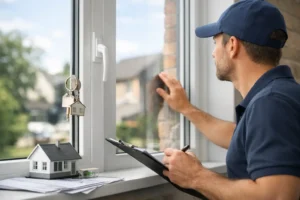
In simple terms, it allows approved installers to certify that their work complies with the relevant Building Regulations without the homeowner needing to arrange separate inspection through the local authority. Once the job is completed, the installation is registered and a certificate is issued.
That certificate is more than a piece of paper. It is evidence that the installation was carried out by a company able to self-certify compliance in line with the rules that apply to replacement glazing work.
Why FENSA matters for homeowners
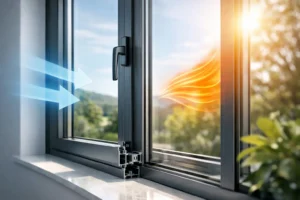
When you are choosing new glazing, it is easy to focus on the visible parts – slimmer aluminium frames, better sightlines, improved thermal performance, stronger locks, colour options and how well the doors open onto the garden. Those details matter. But compliance matters too.
A FENSA-registered installation gives reassurance in a few key areas. First, it shows the work has been carried out under a recognised compliance scheme. Second, it reduces the risk of paperwork issues if you sell your property. Third, it gives homeowners confidence that the installation has been completed to current standards rather than simply fitted to look right.
This is especially relevant for replacement windows, patio doors and bifold doors, where performance is about far more than appearance. A good system needs to be secure, weather-resistant and thermally efficient, but it also needs to be installed correctly for those features to do their job.
FENSA and Building Regulations
The main reason FENSA exists is to deal with Building Regulations compliance for replacement glazing in existing dwellings.
When old windows or external doors are replaced, the new installation usually needs to meet standards covering areas such as thermal performance, ventilation, safety glazing and means of escape where relevant. If you use an installer who is not registered with a competent person scheme such as FENSA, you may need to apply through local authority building control instead.
That route is not necessarily wrong, but it is often slower and more involved. For most homeowners, using a FENSA-registered installer is the simpler option because the compliance process is built into the job.
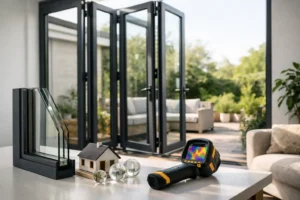
It is worth noting that FENSA is not a product brand or a marker that one frame system is automatically better than another. Whether you are looking at aluminium systems such as Smarts Visofold 1000 Bifold Doors or replacement windows with modern thermal breaks and energy-efficient glazing, FENSA relates to compliant installation and certification rather than style choice alone.
What does a FENSA certificate show?
After a qualifying installation is completed and registered, the homeowner should receive a FENSA certificate. This confirms that the installation has been notified to the scheme and complies with the relevant Building Regulations.
That can be useful for day-to-day peace of mind, but its value often becomes most obvious later. Solicitors and buyers frequently ask for evidence that replacement windows and doors were installed lawfully. If you cannot produce the certificate, it can slow down a sale or lead to extra questions.
In some cases, missing paperwork can be dealt with, but it is far easier to have the right certification from the start. Home improvements should add value and confidence, not create avoidable admin.
Does FENSA apply to all glazing work?
Not always. FENSA covers replacement windows and doors in existing homes.
New-build projects, extensions and certain specialist works will follow different approval routes. These properties are covered by local building control. The same building control officer will sign off the glazing in a new extension or new build as part of the building control service.
This is where homeowners sometimes get caught out. They assume every glazing project works in exactly the same way, when in reality the compliance route can depend on the type of property and the nature of the work. For example, replacing existing rear doors with new aluminium bifold doors may fall neatly into the standard process, while a more complex structural alteration could involve other approvals as well.
That is why clear advice at quotation stage matters. The right supplier or installer should explain what is covered, what is not, and whether any additional approvals may be required before work starts.
FENSA does not replace good product choice
Compliance is essential, but it is only one part of a successful project. Homeowners still need to think carefully about the system being installed, the way the opening will be used, and the finish they want from the space.
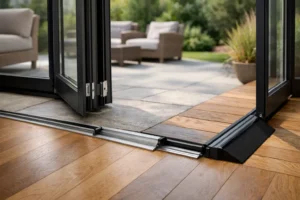
A large set of bifold doors across the back of a kitchen extension, for instance, needs to do several jobs at once. It should bring in natural light, create smooth access to the garden, feel secure, and help retain heat in colder months. The frame strength, glazing specification, threshold choice and hardware quality all affect the final result.
That is why a reliable installer will talk about more than certification. They should also be able to explain sightlines, glazing options, opening configurations, security features and thermal performance in plain English. For many homeowners, the best outcome comes from combining compliant installation with a well-specified aluminium system tailored to the property.
How to check if an installer is FENSA registered
A reputable company should be upfront about its accreditations and compliance process. If FENSA registration is part of the service, it should not be treated as a vague sales claim. Ask directly whether the installation will be self-certified, whether registration is included, and what paperwork you will receive after completion.
This is also a good moment to ask broader questions. Will the quote cover supply and installation, or supply only? Who is responsible for final compliance in each scenario? What happens if your project includes other building works at the same time?
These questions matter because not every customer buys in the same way. Some want a complete installation package with a single point of responsibility. Others are experienced renovators who prefer supply only and have their own contractors in place. Both approaches can work, but the compliance route needs to be understood clearly from the outset.
FENSA, quality and peace of mind
One useful way to think about FENSA is that it helps remove uncertainty. It does not tell you everything about workmanship, design judgement or customer service, but it does show that the installer operates within a recognised framework for compliance.
That matters when you are investing in products designed to last for years. Whether you are replacing tired patio doors, upgrading older windows or opening up a rear elevation with contemporary aluminium glazing, you want the result to look right, perform well and stand up on paper as well as in practice.
At Smarts Bifold Doors, that is why compliance sits alongside the things homeowners usually ask about first – slim frames, secure locking, bespoke sizing, strong thermal performance and flexible installation options. The best home improvements are the ones that feel effortless after they are finished because the technical side was handled properly from the beginning.
When FENSA should be part of your buying decision
FENSA should not be the only reason you choose one company over another, but it should absolutely form part of the decision. If two quotes look similar on price, the difference often lies in what is included, how the work will be certified, and how much reassurance you actually get once the installation is complete.
Cheap quotes can sometimes leave gaps around certification, specification or aftercare. A stronger quote may cost more initially but include the details that protect your investment – compliant installation, better glazing, stronger hardware and a product genuinely suited to the opening.
When you are making changes to your home, the goal is not simply to get new frames fitted. It is to improve how the house feels and functions, while knowing the work has been done properly. FENSA is one of the clearest signs that this part of the process is being taken seriously.
If you are planning replacement windows or doors, ask about FENSA early, ask what is included, and make sure the answer is clear. The right installation should give you more light, better comfort and one less thing to worry about later.