A flat roof light can transform a dark kitchen extension in a single move – but only if you buy the right one. This flat roof light buying guide is designed to help UK homeowners make a confident choice, with clear advice on sizing, glazing, performance and the practical details that affect how the finished room will look and feel every day.
What a good flat roof light should do
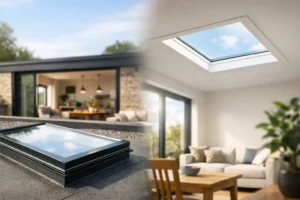
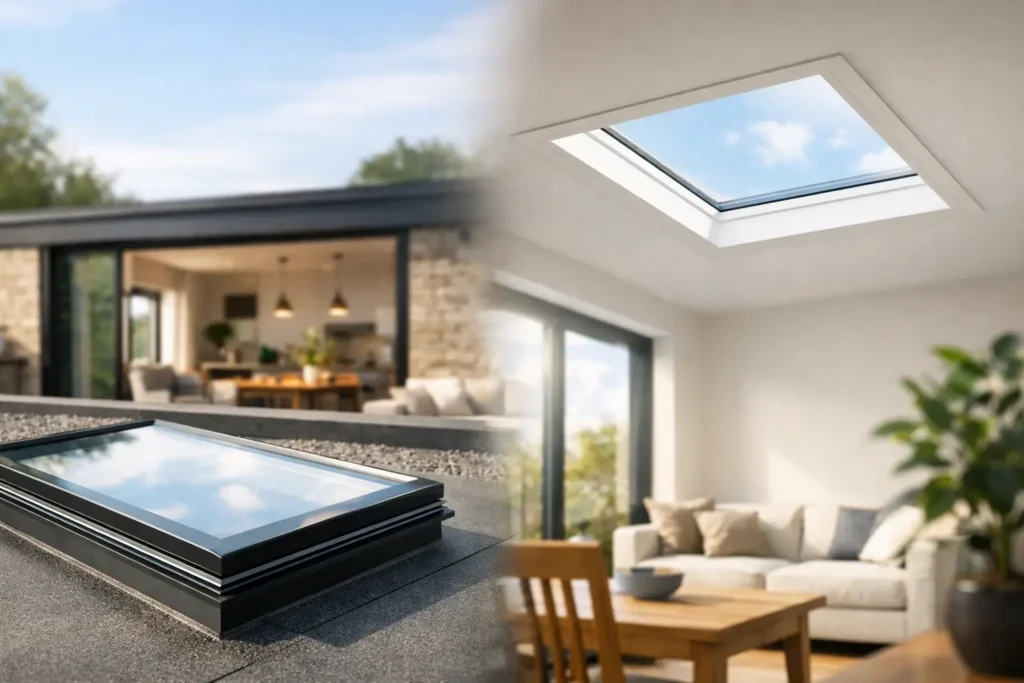
The best flat roof lights do more than bring in daylight. They change the quality of a room, make ceilings feel higher and help connect the inside of the house with the sky above. In rear extensions, open-plan kitchens and renovated living spaces, that extra top light often makes the whole layout feel more balanced.
That said, not every roof light performs in the same way. A product that looks good in a brochure can be less impressive once you consider heat loss, solar gain, glass specification or frame size. A buying decision should never be based on appearance alone. You are choosing something that needs to work hard in all seasons, suit the roof structure and meet current Building Regulations.
Flat roof light buying guide – start with the room
Before looking at frame finishes or glazing upgrades, think about what the room needs most. In some homes, the priority is simply to brighten a central part of the house that does not get enough light through vertical windows or doors. In others, the aim is more architectural – creating a cleaner, more contemporary finish above a kitchen island, dining space or orangery-style extension.
The room below should guide the specification. A south-facing extension may need careful solar control to avoid overheating in summer. A north-facing room may benefit from maximising clear glass area to capture as much daylight as possible. If the space is used all day, thermal efficiency becomes especially important because poor-performing glazing can make the room less comfortable in winter and too warm in bright weather.
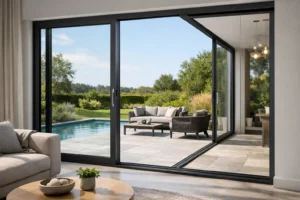
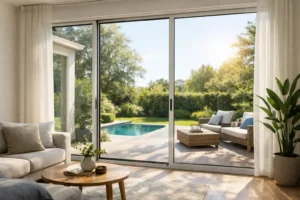
Ceiling height matters too. In lower extensions, a slim, minimally framed roof light can help keep the design crisp and open. In larger spaces, you may have more freedom to use multiple roof lights or combine them with large glazed doors such as aluminium bifolds or sliding doors for a stronger sense of light and openness.
Choosing the right size and layout
Size has a major effect on both appearance and performance. Many homeowners assume bigger is always better, but that is not necessarily true. An oversized roof light can create glare, increase solar gain and dominate the roof visually. Too small, and the room may still feel underlit.
A good starting point is to consider where daylight is needed most. Over a kitchen island, a centrally positioned rectangular roof light often works well. In a wider open-plan room, two smaller roof lights can sometimes distribute light more evenly than one large unit. This can also create a neater external roof design and offer more flexibility around steelwork or joist positions.
You should also think about the internal view. From inside the home, the roof light should feel intentional – aligned with the room layout, not dropped into the roof wherever space happened to be available. If the extension includes large glazed doors such as Smarts Visofold 1000 Bifold Doors or a Smarts Visoglide Plus sliding door, the roof light should complement that glazing rather than compete with it.
Glazing specification matters more than most people expect
The glass is doing most of the work, so this is where buying quality really counts. Safety glazing is essential, and in overhead glazing applications the specification must be suitable for roof use. That usually means toughened outer panes and laminated inner panes, though the exact build-up depends on the product and intended performance.
Thermal performance is another key point. A well-made aluminium roof light with a proper thermal break and energy efficient glazing can help maintain a comfortable indoor temperature. This is particularly important in extensions, where large areas of glazing can quickly expose the difference between a premium system and a cheaper one.
Solar control glass may be worth considering if the room gets strong direct sun. It can reduce overheating and glare without making the room feel gloomy. However, there is a trade-off. Some high solar-control options can slightly reduce the brightness or clarity of the glass compared with a more neutral specification. The right choice depends on orientation, shading and how the room is used.
Frame design, sightlines and overall style
One of the reasons aluminium flat roof lights remain popular is the cleaner, slimmer finish they can offer. For modern homes and contemporary extensions, fine sightlines help keep attention on the glass and the daylight rather than the frame.
This does not mean every project should chase the thinnest frame possible. Structural integrity, weather performance and glazing support are just as important. A well-designed system should give you a neat, modern appearance without compromising on durability or long-term reliability.
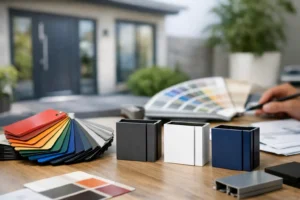
Colour choice is usually straightforward, but it still deserves thought. Anthracite grey remains a popular choice because it pairs well with modern windows and doors, but black, white and bespoke RAL colours can all work depending on the property. If your extension already includes aluminium products such as Smarts Alitherm 400 Windows or contemporary sliding or bifold doors, matching or coordinating finishes can tie the whole design together.
Installation details can make or break the result
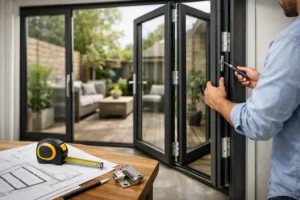
A flat roof light is only as good as its installation. Even a high-specification product will disappoint if the upstand is wrong, the roof covering is poorly detailed or the unit is not fitted correctly. This is why it is worth asking detailed questions before you buy, especially if you are comparing supply-only and installed options.
For some homeowners, supply-only is the right route. If you are working with a trusted builder or roofer and managing your own project, it can offer flexibility. But you need confidence that everyone involved understands the product requirements, structural opening, kerb details and weathering.
If you want more reassurance, a full installation service can remove much of that pressure. It gives you a clearer line of responsibility and helps reduce the risk of specification or fitting mistakes. Either way, always check that the product is being used in line with Building Regulations and manufacturer guidance.
Questions worth asking before you order
A reliable supplier should be able to explain the technical points in plain English. If the answers feel vague, that is usually a warning sign. You do not need a sales pitch full of jargon. You need to know exactly what you are buying and why it suits your home.
Ask about the glass specification, U-values, safety glazing, lead times, frame finish, warranty and any maintenance requirements. Also ask what is included. Some quotes cover the glazed unit only, while others may include kerbs, trims or installation. Knowing this upfront makes comparisons far more accurate.
It is also sensible to ask how the roof light will sit alongside the rest of your glazing scheme. If you are upgrading multiple elements at once, such as new roof glazing, bifolds and replacement windows, a joined-up approach usually gives a stronger result than treating each product in isolation.
Common buying mistakes to avoid
The most common mistake is buying purely on price. A cheaper unit can look similar on paper, but differences in glass quality, thermal performance, powder coating, seals and installation support often show up later. Roof glazing is not the place to cut corners.
Another mistake is underestimating solar gain. A roof light that brings in beautiful daylight in March can make a room uncomfortable in July if the specification is wrong. This is especially relevant in kitchen extensions with lots of cooking heat and large south- or west-facing roof areas.
Finally, some buyers focus so heavily on dimensions that they forget proportion and placement. The right roof light should suit the room below, the roof above and the overall design of the extension. It needs to look right from inside and outside.
Making the right choice for your home
A good flat roof light should feel like part of the architecture, not an afterthought. It should bring in strong, natural daylight, support year-round comfort and sit comfortably alongside the rest of your glazing choices. For most homeowners, that means looking beyond the basic size and price, and paying close attention to glass performance, frame quality and installation detail.
At Smarts Bifold Doors, we see the best results when homeowners choose with the finished room in mind rather than the product in isolation. If a roof light helps your extension feel brighter, calmer and more usable every day, it is doing exactly what it should. Take your time, ask direct questions and choose a system that is built to last.