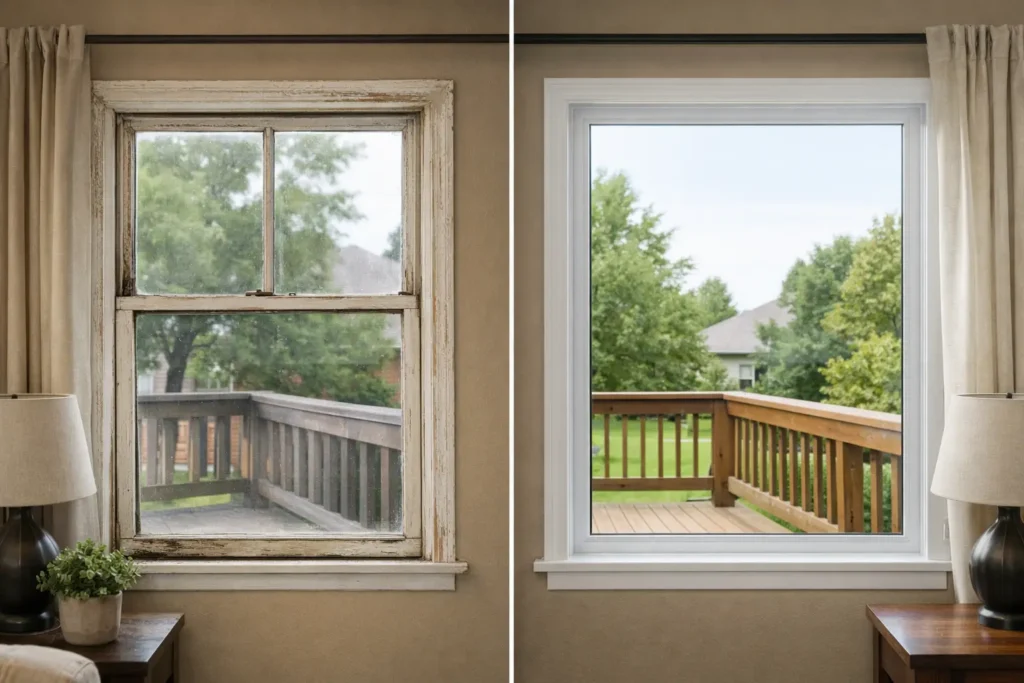
Most homeowners notice the old windows only when something starts to annoy them – the cold spot by the sofa, the condensation that keeps coming back, the rattle on a windy night, or frames that make the whole front elevation look tired. That is why before after window replacement is rarely just about appearance. In practice, it changes how a room feels, how a home performs, and how much confidence you have in the quality of the property.
If you are weighing up replacement windows for a renovation, extension or general upgrade, it helps to know what really improves afterwards and what depends on the products, specification and installation quality you choose. The difference can be dramatic, but the best results come from getting the details right.
Before after window replacement: the changes you actually feel
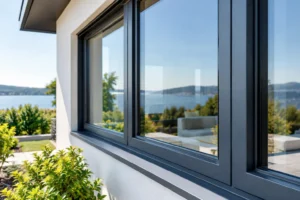
The visual transformation is usually the first thing people expect. New windows can sharpen the overall look of a house, especially where old frames are bulky, discoloured or dated. Cleaner sightlines, slimmer aluminium profiles and a better match with your property style all make a difference from the street and from inside the room.
What often matters more once the work is done is comfort. Older windows commonly lose heat around seals, glazing and frames. Even when they still open and close, they may not be performing to modern standards. Replacing them with thermally efficient systems, including aluminium frames with a thermal break and energy-efficient glazing, can reduce draughts and help maintain a steadier indoor temperature.
That change is not always dramatic overnight in every property. A detached house with very poor existing windows may feel transformed straight away, while a newer home may see a more moderate improvement. Even so, most homeowners notice the same broad shift – rooms feel less exposed to outside weather and more comfortable to use throughout the day.
What old windows are usually doing wrong
Many replacement projects start with one obvious problem, but there are often several issues happening at once. Timber can swell, uPVC can discolour, hinges can wear, seals can fail and double glazing units can mist up over time. You may also be dealing with poor ventilation or frames that simply do not suit the style of the property any longer.
In practical terms, older windows can make a room feel darker than it needs to be. Heavier frames and dated designs block more glass area, which limits daylight. If you are already improving a kitchen, lounge or rear extension to create a brighter living space, keeping tired windows in place can hold the whole scheme back.
Security is another area where the before and after difference matters. Older locking systems may no longer offer the level of protection homeowners expect. Modern replacement windows are typically designed with stronger hardware, better locking points and more secure frame construction. That does not just improve safety – it also improves peace of mind.
The biggest visual gains come from design, not just newness
A lot of people assume any new window will look better than an old one. Usually that is true, but the strongest results come from choosing a system that works with the architecture of the home. A badly chosen replacement can look newer without looking better.
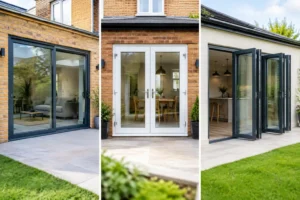
For contemporary properties, aluminium windows often create the cleanest before and after result because of their slim frames and sharp finish. Products such as Smarts Alitherm 400 Windows, Cortizo Casement Windows and Cortizo Hidden Sash Windows are popular where homeowners want a modern appearance with strong thermal performance. Hidden sash options in particular can give a neater external look, with more emphasis on glass and less on visible frame.
For period-inspired homes or mixed-style renovations, the right colour, glazing bar layout and hardware finish become just as important as the frame material itself. Anthracite grey remains a popular choice, but it is not the only good one. Some homes benefit from black, white or more bespoke finishes depending on brickwork, render and roofline details.
Before after window replacement and energy performance
This is often where the value of replacement windows becomes most obvious over time. A well-specified window does not simply trap heat better. It contributes to the overall thermal efficiency of the room, helps reduce cold spots near the glazing and can support lower heating demand in colder months.
The frame matters, the glazing matters and the installation matters. Aluminium has long been valued for strength and slim sightlines, and modern systems with a thermal break mean homeowners do not have to compromise on efficiency to achieve a contemporary look. Pair that with suitable double or triple glazing and the improvement can be significant.
It is worth being realistic, though. New windows alone will not solve every heat-loss issue if the home also has poor insulation elsewhere. Loft insulation, wall construction and door performance all play a part. Still, if your existing windows are underperforming, replacement is often one of the most noticeable upgrades you can make.
Noise, condensation and day-to-day comfort
There is a reason homeowners talk about the room feeling quieter after new windows go in. Better glazing and tighter seals can reduce external noise, which is especially useful on busier roads or in built-up areas. The exact reduction depends on the glazing specification and the nature of the noise, but the difference is often clear.
Condensation is slightly more nuanced. Replacement windows can help by improving internal glass temperatures and reducing unwanted air leakage, but condensation is not caused by windows alone. Everyday moisture from cooking, showering and drying clothes indoors also affects it. The best outcome comes from combining good glazing performance with sensible ventilation.
This is where a professional specification matters. It is not enough to choose a window that looks smart in a brochure. It needs to suit the room, the orientation of the property and how the space is used.
Why installation quality shapes the after result
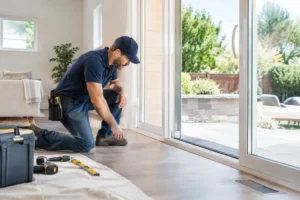
A strong product can still disappoint if it is not fitted properly. Poor installation can lead to gaps, misalignment, sticking sashes and reduced thermal performance. It can also spoil the finish internally and externally, which is frustrating when the whole point of the project is to improve the standard of the home.
That is why homeowners should think about the full replacement process, not just the frame style. Survey accuracy, manufacturing quality, compliance with Building Regulations and proper fitting all influence the final result. If you want the after in before after window replacement to live up to expectations, installation standards need to be part of the decision.
For some customers, a supply-only route makes sense, especially if they already have a trusted builder managing a larger renovation. For others, full installation offers more reassurance and a clearer line of responsibility. Neither is automatically better. It depends on the project and on who is managing the work.
When replacement windows make the biggest difference
Not every property gets the same level of transformation. Homes with visibly ageing frames, failed glazing units or poor thermal comfort tend to see the most immediate gains. You are also likely to notice a stronger before and after effect when replacing windows as part of a wider redesign that includes new doors, larger openings or updated finishes.
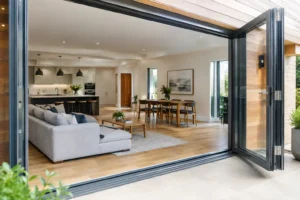
For example, if you are modernising a rear living area, new windows can work alongside products such as a Smarts Visoglide Plus sliding door or Smarts Visofold 1000 Bifold Doors to create a more consistent glazed look. Matching sightlines, colours and frame quality helps the whole elevation feel considered rather than pieced together.
Even smaller upgrades can have a strong impact. Replacing front elevation windows can improve kerb appeal more than many homeowners expect, particularly if the old frames have yellowed, warped or lost their original finish.
What to check before you commit
The smartest buying decisions are usually the calmest ones. Look beyond the headline price and ask what you are actually getting in terms of frame system, glazing specification, security hardware, colour options and compliance. A cheaper quote may not represent the same standard of product or finish.
It is also worth asking how the new windows will sit with the rest of the property. If you plan to replace doors later, choose systems that can work together visually. If maintaining light is the priority, pay attention to frame proportions as well as opening style. If security is the main concern, focus on hardware and locking detail rather than assuming all replacements are equal.
For UK homeowners, a replacement window project should do more than refresh the exterior. It should make the house feel warmer, quieter, more secure and more in tune with how you want to use the space.
A good before and after is not about chasing a dramatic photo. It is about choosing windows that still feel right on an ordinary Tuesday in January, when the room is warmer, the frames are working exactly as they should, and the whole house feels better put together.