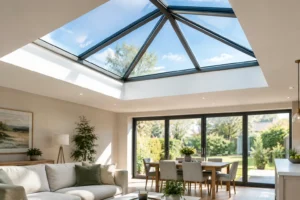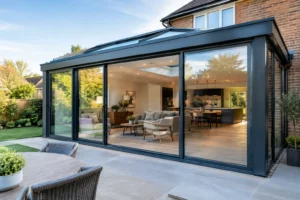

A rear extension can add floor area, but what usually changes the room is daylight. The right flat roof light for extension designs can turn a dark kitchen, dining area or family room into the brightest part of the house. That is why this choice deserves more thought than simply picking a size that fits the opening.
In most homes, a roof light is doing several jobs at once. It needs to bring in natural light, sit comfortably with the architecture, help control heat loss, and cope with the very British mix of rain, wind and changing temperatures. Get it right and the space feels bigger, cleaner and more connected to the garden. Get it wrong and you can end up with glare, overheating, awkward sightlines or a bulky frame that spoils the finish.
Why a flat roof light for extension projects works so well
Single-storey extensions often sit behind the original house, which means wall windows and doors do not always bring enough light deep into the room. A roof light solves that by introducing daylight from above, where it can spread more evenly across worktops, dining areas and seating spaces.
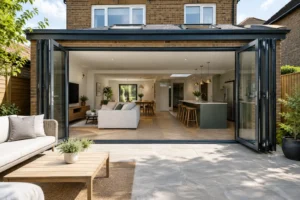
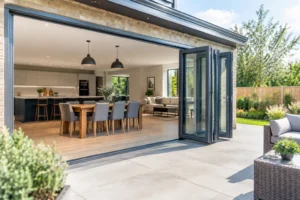
This is especially effective in open-plan kitchen extensions. Light from above helps balance the room, particularly if cabinetry, islands or structural walls block some of the light entering through the back elevation. If you are also planning slim-framed glazing such as bifold or sliding doors, the combination can make the whole extension feel far more open without relying on artificial lighting throughout the day.
There is also a design advantage. A well-made aluminium flat roof light suits contemporary extensions because the frame lines stay neat and minimal. The result is modern without looking overdesigned.
What to consider before you choose
The best roof light is not always the biggest one. Size matters, but so do proportion, orientation and how the room will actually be used.
Think about where the light will fall
South-facing roof lights can deliver impressive brightness, but they may also increase solar gain in warmer months. In a kitchen or family room that gets strong sun for long periods, glazing specification becomes particularly important. Solar control glass can help reduce overheating while still keeping the room bright.
North-facing roof lights usually provide softer, more consistent daylight. That can be ideal if you want an even light level without too much glare. East and west orientations sit somewhere in between, with stronger light at certain points of the day.
Get the size in proportion
A large pane of glass can look striking, but oversizing is not always better. In some extensions, one generously sized roof light works perfectly. In others, two smaller units create a more balanced layout and allow the structure below to feel more intentional.
This often depends on the room arrangement. If your extension has a kitchen on one side and dining space on the other, placing roof lights to suit those zones can work better than centring a single oversized unit. It is a practical design decision, not just a visual one.
Pay attention to the frame
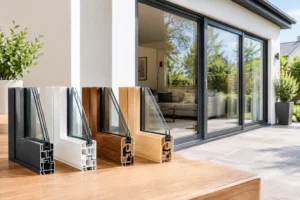
The appeal of a roof light is the glass, not a heavy border around it. Slim aluminium frames are often the preferred choice because they give a sharper architectural look while remaining durable and low maintenance. Aluminium also works well alongside other contemporary glazing products, whether that is a roof lantern, modern casement windows or large-format doors.
Flat roof light or roof lantern?
Homeowners often compare the two, and the right answer depends on the style of the extension.
A flat roof light tends to suit cleaner, more contemporary builds. It sits lower in profile and usually gives a more minimal appearance inside and out. If your aim is a sleek ceiling line and uninterrupted views of the sky, this is often the better option.
A roof lantern creates more architectural presence and can suit extensions where you want a more traditional feature overhead. It projects upwards and has more framing, so it becomes a stronger design statement. That can be attractive, but it is not always what a modern extension needs.
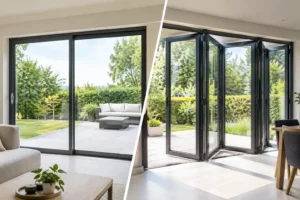
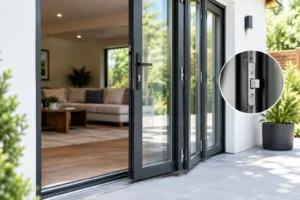
If you are already installing slim aluminium doors such as Smarts Visofold 1000 Bifold Doors or a Smarts Visoglide Plus sliding door, a flat roof light usually keeps the overall design language more consistent.
Glazing performance matters more than most people expect
A roof light sits in one of the most exposed parts of the extension, so glazing specification should never be an afterthought. This is where performance and comfort meet.
Thermal efficiency
Good thermal performance helps the room stay more comfortable through winter and reduces unnecessary heat loss. High-performance glazing, paired with an insulated frame design, makes a noticeable difference. In aluminium systems, thermal break technology is especially important because it helps limit heat transfer through the frame.
For homeowners, the result is simple. The extension feels more usable throughout the year, not just on mild spring days.
Solar control
Too much overhead sun can make a room uncomfortable, particularly in open-plan spaces with lots of glass elsewhere. Solar control glass helps reduce that build-up of heat. This can be very useful if your extension also includes large garden-facing doors, because the combined glazed area may otherwise create too much solar gain in summer.
Safety and specification
Because roof glazing sits overhead, the glass must be suitable for that application. Toughened and laminated combinations are commonly used for safety and compliance. This is not an area to cut corners. The correct specification protects both performance and peace of mind.
Installation quality is just as important as the product
Even an excellent roof light will disappoint if it is poorly fitted. The detailing around the upstand, weathering and internal finish all affect how the final installation performs and looks.
A proper installation should account for drainage, roof build-up, insulation continuity and the finished ceiling line. The cleaner these details are handled, the better the result. Homeowners often focus on the glass itself, but the surrounding construction is what makes the installation feel high quality rather than improvised.
This is also where experience matters. A specialist who understands glazed products across the wider extension design can give better guidance on how a roof light works alongside doors and windows, instead of treating it as a standalone item.
How a roof light works with the rest of the extension
The strongest extension designs are coordinated. A flat roof light should not feel like an isolated feature. It should complement the rest of the glazing package and the way you plan to use the room.
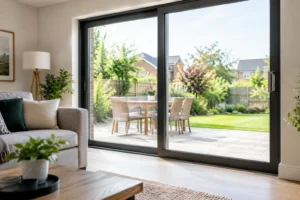
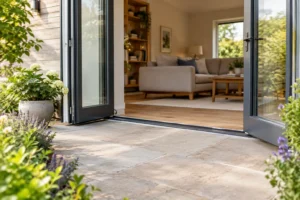
If your rear wall opens onto the garden, pairing a roof light with slim aluminium doors can be particularly effective. Bifold systems such as Origin OB49 Bifold Doors or Schuco ASFD75 Bifold doors create a wide opening, while overhead glazing draws light further back into the room. If you prefer uninterrupted glass and fewer visible sections, a sliding system such as the Cortizo COR Vision Sliding Door can work beautifully with a contemporary roof light above.
Matching sightlines, frame colours and overall proportions helps the extension feel resolved. Black, anthracite grey and other modern powder-coated finishes remain popular, but the right colour depends on the character of the house and the interior scheme.
Common mistakes to avoid
One of the most common mistakes is choosing based on appearance alone. A roof light might look impressive on a brochure image, but if the glazing is wrong for the orientation or the frame is too bulky, the real result may fall short.
Another issue is poor sizing. A unit that is too small can look mean and fail to make enough impact. Too large, and the room may suffer from excess heat and glare. There is always a balance to strike.
Finally, some homeowners underestimate the value of tailored advice. Every extension has its own roof structure, ceiling height, aspect and layout. What works in one kitchen extension will not automatically work in another.
Making the right choice for your home
The right flat roof light for extension plans should do more than brighten the room. It should support the way you live in the space, work with the architecture of the house and offer dependable long-term performance. That means looking beyond the headline dimensions and focusing on specification, design balance and installation quality.
For many homeowners, the best result comes from treating the roof light as part of a wider glazing strategy. When the roof glazing, doors and windows are considered together, the extension feels brighter, sharper and more usable every day. If you are investing in a new living space, that joined-up approach is often what turns a good extension into one that genuinely changes the way your home feels.
A well-chosen roof light will not shout for attention. It will simply make the room look better, feel better and work harder from morning through to evening.