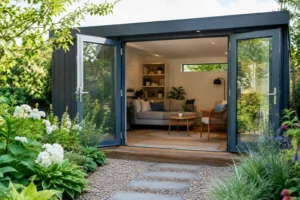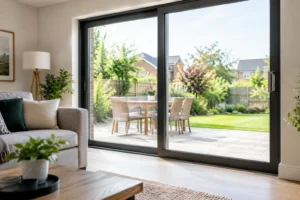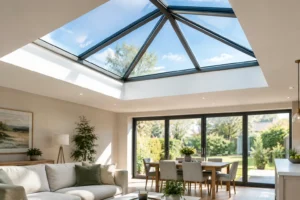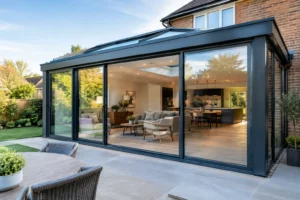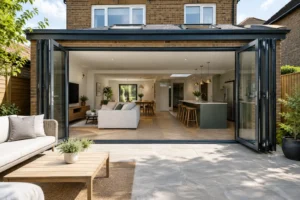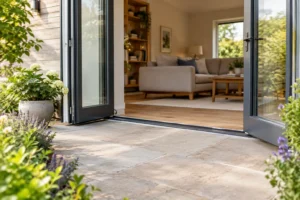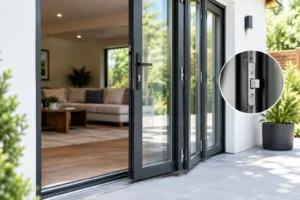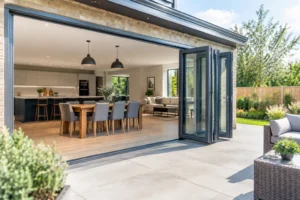
A wide opening onto the garden looks fantastic, but it also raises a sensible question for any homeowner – how secure are bifold doors when compared with a traditional back door or French doors? The honest answer is that modern bifold doors can be very secure, but only when the whole system is specified properly. Security does not come down to one lock alone. It depends on the frame, the glazing, the cylinder, the shoot bolts, the way the doors are hung and, just as importantly, the quality of the installation.
For anyone planning a kitchen extension, a rear renovation or a replacement patio door, that distinction matters. A well-made aluminium bifold with the right hardware can provide excellent protection. A cheaper system with weak components or poor fitting can undermine the benefits very quickly.
How secure are bifold doors compared with other patio doors?
Bifold doors sometimes get unfairly judged because they have more moving parts than a single back door. People see multiple panels and assume that means more weak points. In practice, a high-quality bifold door is engineered so the panels work together as a secure system, rather than as separate vulnerable leaves.
Compared with older uPVC patio doors or dated sliding systems, a modern aluminium bifold can be significantly stronger. Aluminium frames are inherently rigid, which helps the door resist forced entry. Multi-point locking systems, internal beading and secure glazing also add another layer of protection.
That said, security is not automatic just because a door is made from aluminium. The design of the profile, the locking arrangement and the way the traffic door operates all play a part. A premium system such as Smarts Visofold 1000 Bifold Doors or Schuco ASFD75 Bifold doors will usually offer a much more reassuring level of protection than an entry-level, poorly specified alternative.
What actually makes bifold doors secure?
The strongest bifold doors combine several security features working together. If one element is weak, the overall performance can drop.
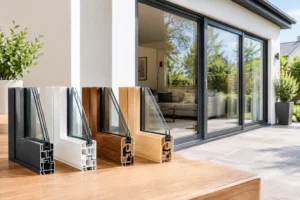
Frame strength and material
Aluminium is a strong choice for domestic bifold doors because it offers slim sightlines without sacrificing structural integrity. That is one of the main reasons homeowners choose it for larger glazed openings. A stronger frame makes it harder to twist, bend or force the door out of line.
This is especially important on wider openings where multiple panels are being opened and closed regularly. A rigid frame helps the locks align correctly and keeps the doors operating as intended over time.
Multi-point locking systems
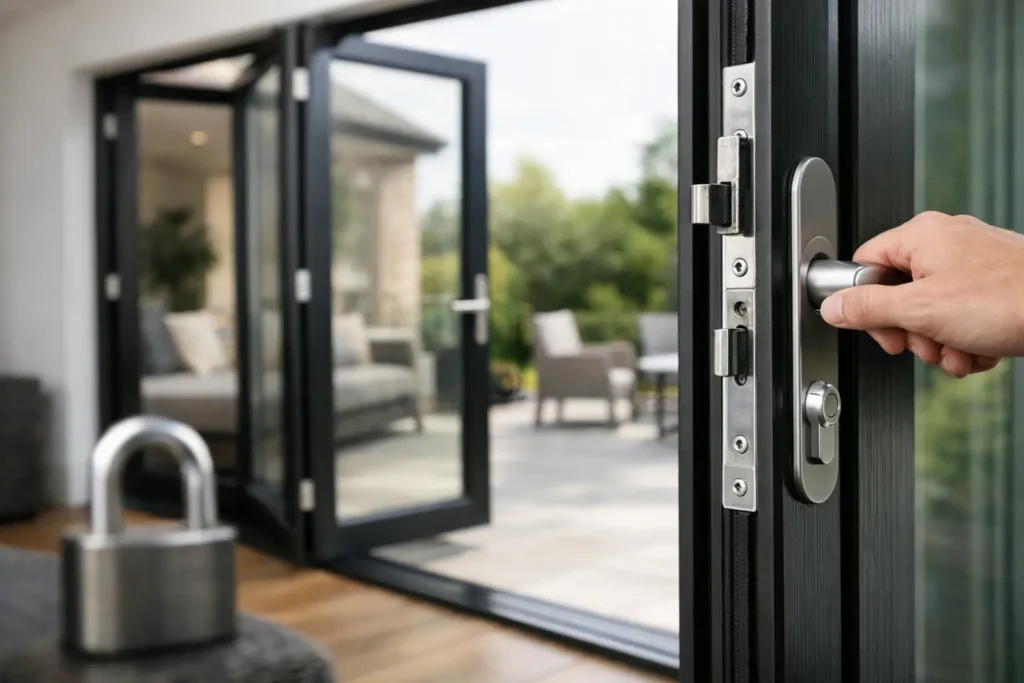
The main access panel on a bifold door, often called the traffic door, should lock at several points rather than in one place. Multi-point locks secure the panel into the frame at different positions, making forced entry much more difficult.
Many quality bifold doors also use shoot bolts on the intermediate panels. These secure the panels at the head and cill, helping the full set remain stable when locked. This matters because security on bifolds is about the whole run of doors, not just the lead panel.
Glazing specification
Glass is often seen as the weak point in any glazed door, but modern bifold doors can be fitted with toughened or laminated safety glass designed to improve security as well as safety. Laminated glass can be particularly effective because, if struck, it tends to stay bonded rather than breaking apart immediately.
Internal glazing beads are another important detail. They make it much harder for someone outside to remove the glass from the frame.
Cylinders, handles and hardware
A secure bifold also depends on good-quality cylinders and hardware. Anti-snap, anti-pick and anti-drill cylinders are well worth having, especially on external doors. Handles should be durable, properly fixed and suited to the locking system being used.
This is one area where cheaper products can fall short. From the outside, many doors may look similar. The difference is often hidden inside the hardware.
Are bifold doors a weak point because they fold?
Not if they are designed and fitted correctly. The fact that bifold doors concertina to one side does not make them insecure by default. The folding action simply means there are hinges and rolling components that need to be engineered well.
The most secure systems use strong hinges, dependable rollers and precise manufacturing tolerances so the panels sit tightly and lock cleanly. If a door drops, binds or goes out of alignment, security can be affected because the lock points may not engage fully.
This is why installation quality matters so much. Even an excellent product can underperform if the opening is not prepared correctly or the doors are not adjusted with care. A properly installed aluminium system should open smoothly, close neatly and lock without resistance.
Standards and testing matter
If you are weighing up how secure are bifold doors in practical terms, one of the best places to look is independent testing and compliance. Security claims should be backed by recognised standards, not just marketing language.
For UK homeowners, doors that meet relevant security standards offer much greater reassurance. Depending on the product, you may see references to PAS 24 or Document Q compliance. These are useful indicators that a door has been tested against common methods of attack and meets accepted performance requirements.
That does not mean every home needs exactly the same specification. A ground floor rear extension, for example, may justify a stronger security package than doors opening onto a first-floor balcony. The right choice depends on the property, the location and how the space will be used.
Common security concerns homeowners ask about
One of the most common worries is whether intruders can simply lift bifold doors off their tracks. On a well-designed modern system, that should not be easy. Secure runners, correctly fitted hardware and anti-lift features help prevent this.
Another concern is the amount of glass. More glass does mean more visible surface area, but that does not automatically make the door less secure. The specification of the glass is what counts. Toughened safety glass is standard, while laminated glass can provide enhanced resistance where required.
People also ask whether bifolds are less secure than sliding doors. There is no universal winner. A high-end bifold such as an ASFD90.Hi Bifold Doors configuration can be extremely secure, while a premium sliding option like a Smarts Visoglide Plus sliding door or Schuco ASE80 Sliding Door can also offer excellent protection. The better question is whether the chosen system meets the right standard and has been installed properly.
How to choose secure bifold doors
The safest approach is to look beyond appearances. Slim frames, a smooth finish and a good colour choice are all important, but security should be discussed early in the buying process.
Ask what locking system is included as standard and whether the cylinder has anti-snap protection. Check whether the system has been tested to recognised security standards. Ask what glazing options are available and whether laminated glass is recommended for your property.
It is also worth asking how the threshold design affects security and day-to-day use. Low thresholds are popular because they create easier access to the garden, but the design still needs to maintain weather performance and reliable locking. There is usually a balance between aesthetics, accessibility and performance, so good advice is valuable here.
For homeowners who want a contemporary aluminium solution without compromising on reassurance, products such as Smarts Visofold 6000 Bifold Doors or Origin OB49 Bifold Doors are often chosen because they combine strong design, modern styling and dependable hardware.
Installation is just as important as the product
A secure door set is not created in the factory alone. Surveying, manufacturing accuracy and fitting quality all affect the result. If the opening is out of square, if packers are used badly, or if the frame is not anchored correctly, the security features may not perform as intended.
That is why experienced installation matters, especially on larger openings. Bifold doors need precise alignment so the panels stack correctly, move freely and lock consistently. A rushed or careless fit can lead to operational issues that become security issues later.
For supply-only buyers, it is especially important to ensure the installer understands aluminium bifold systems and follows the manufacturer guidance closely.
So, how secure are bifold doors?
They are secure when they are treated as a complete engineered system rather than a simple glazed opening. Strong aluminium profiles, multi-point locks, secure glazing, tested hardware and accurate installation all work together to create a door that protects the home while bringing in light and opening up the living space.
That is the real point for homeowners. You should not have to choose between a bright, modern rear elevation and peace of mind. With the right specification, bifold doors can deliver both – and that makes them a practical long-term investment, not just a design feature.