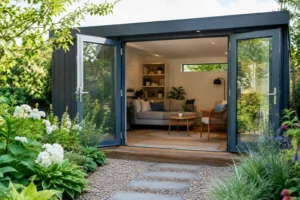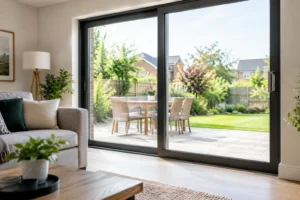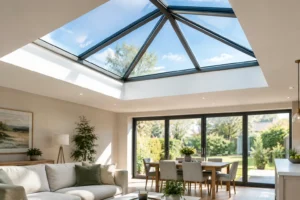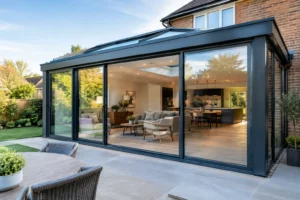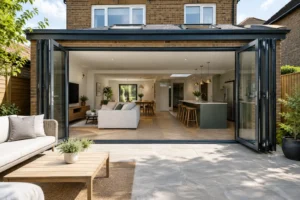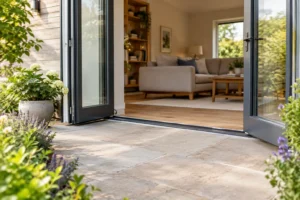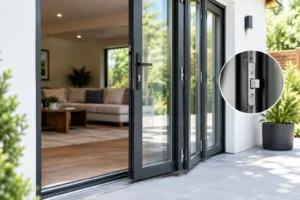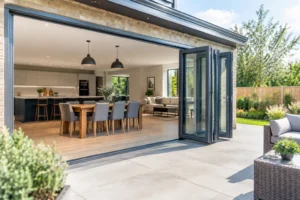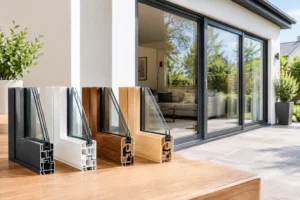
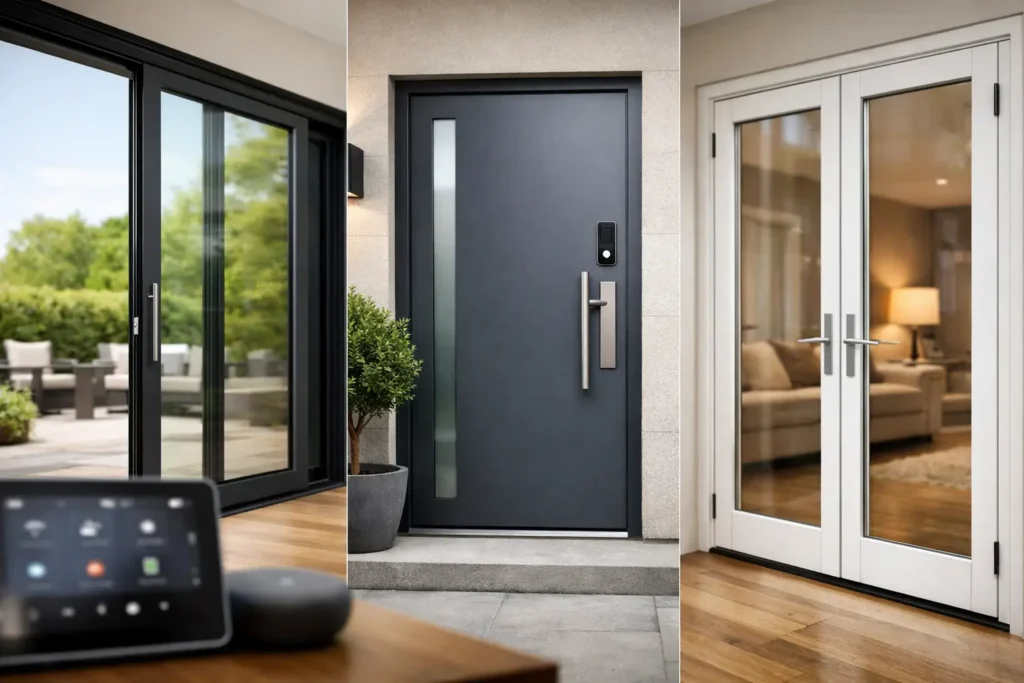
If you are choosing doors for a rear extension or kitchen renovation, the detail matters more than the brochure photos. A proper smart systems doors comparison helps you work out which aluminium system suits your opening, your budget and the way you actually want to use the space every day.
For some homeowners, that means a bifold that opens up the full width of the room in summer. For others, it means a large-pane sliding door with fewer frame lines and less disruption to furniture layouts. The right answer depends on how much opening you want, how wide the aperture is, how exposed the room is to weather and what matters most to you – uninterrupted glass, thermal performance, easy access or overall value.
What a smart systems doors comparison should focus on
It is easy to compare doors by headline claims alone, but that rarely gives the full picture. Slim sightlines look impressive, yet they need to be weighed against insulation, threshold design, security hardware and how the system will work in a real family home.
When comparing Smart Systems products against other established aluminium systems, there are five practical areas worth paying attention to. The first is opening style. Bifolds stack and fold away, which gives you a wide clear opening but also requires panel stacking space. Sliding doors keep a cleaner wall of glass and are simple to operate, though only part of the opening is accessible at any one time.
The second is thermal efficiency. Aluminium products with a thermal break and energy efficient glazing can deliver strong insulation performance, but the exact specification still matters. Glass choice, frame design and installation quality all affect the final result.
The third is security. Multi-point locking, quality cylinders, strong profiles and tested hardware should come as standard rather than optional extras. The fourth is design flexibility, including colours, cill details, thresholds, handles and panel configurations. The fifth is value, which is not the same as lowest price. A lower-cost system can be the wrong choice if it limits the look or performance you want from the project.
Comparing Smart Systems bifold doors with other leading options
Smart Systems bifolds remain a popular choice because they strike a strong balance between appearance, reliability and cost. For many domestic projects, they offer the contemporary aluminium look homeowners want without pushing the budget into premium territory unnecessarily.
The Smarts Visofold 1000 Bifold Doors are often a sensible fit for extensions and renovation projects where performance and practicality matter most. They offer a proven aluminium system, a wide choice of configurations and a finish that suits both modern and more traditional homes. If you want dependable bifolds without overcomplicating the specification, this is often where the conversation starts.
The Smarts Visofold 6000 Bifold Doors move the system on in terms of styling and performance, making them well suited to homeowners who want a more refined finish. Depending on the opening size and design brief, they can be a strong middle ground between entry-level aluminium bifolds and more premium alternatives.
How do they compare with higher-end options such as Schuco ASFD75 Bifold doors or ASFD90.Hi Bifold Doors? Schuco systems are often chosen where thermal performance, engineering and premium specification are key priorities. They can be an excellent choice, particularly in architect-led projects, but they also tend to sit at a higher price point. If your budget is flexible and you want to prioritise top-tier performance, they deserve consideration. If you want strong everyday value with a bespoke finish, Smart Systems often makes more financial sense.
Cortizo Bifold Plus and the Origin OB36 Bifold Doors or Origin OB49 Bifold Doors also enter the conversation regularly. Origin products are well known for manufacturing quality and customisation, while Cortizo appeals to those who want a contemporary appearance with competitive performance. The trade-off is that each system has its own strengths in sightlines, lead times, panel sizes and budget. There is no single universal winner. The best choice depends on whether your priority is price control, brand preference, slimmer frames or a specific configuration.
Smart Systems bifolds vs sliding doors
This is where many homeowners change direction. They start out convinced they want bifolds, then realise a sliding system may suit the room better.
The Smarts Visoglide Plus sliding door is a strong option if your priority is larger glass panels and a cleaner visual finish. Because the panels slide rather than fold, you keep broader uninterrupted views of the garden. That can make a room feel calmer and more open, especially in wider kitchen diners where you want the glazing to act almost like a picture frame.
By comparison, bifold doors such as the Smarts Visofold range are better if you want to open up most or all of the aperture for entertaining, garden access or a stronger indoor-outdoor feel in warm weather. Families often like bifolds for this reason, particularly when the opening connects directly to a patio.
There are trade-offs. Sliding doors usually offer slimmer meeting sections and a less busy appearance when closed. They are also useful where furniture placement matters, because there is no need to allow for folding panels stacking inside or outside. Bifolds, however, can provide a much wider clear opening. If your main goal is to remove the barrier between house and garden as much as possible, bifolds often win.
Against other sliding products such as the Schuco ASE60 Sliding Door, Schuco ASE80 Sliding Door, Cortizo COR Vision Sliding Door and Cortizo COR Vision Plus Sliding Door, the Smart Systems option typically appeals to homeowners who want a dependable aluminium sliding system with solid value and flexible specification. Cortizo and Schuco may offer advantages in certain design-led settings, particularly where ultra-slim aesthetics are high on the list. Yet for many UK homes, the difference is not just about sightlines on paper. It is about whether the added cost genuinely improves the finished space in a meaningful way.
Sightlines, thresholds and everyday use
A good smart systems doors comparison should always come back to day-to-day living. The most attractive system on a specification sheet still needs to work for the people using it.
Sightlines matter because they affect how much glass you see and how modern the doors feel. Slimmer is often better visually, but only if the rest of the system meets your expectations for security and insulation. Thresholds matter because they influence access to the garden, practicality for children and potential trip hazards. A low threshold can improve convenience, but exposure to driving rain and the external ground level need proper consideration.
Traffic doors are another point that gets overlooked. On many bifold systems, a single access leaf can make everyday use far easier, especially in winter when you do not want to fold back the whole set just to step outside. It is a small detail that often makes a big difference.
Thermal efficiency and security in real terms
Homeowners are right to ask how warm and secure their new doors will be, but comparison needs context. A strong frame design with a thermal break is only part of the picture. Glazing specification, spacer bars, installation quality and the way the doors are set into the opening all contribute to performance.
The same goes for security. Quality aluminium systems should include high-security locking, strong hardware and tested designs that support modern domestic standards. Top-of-the-range security should not be treated as a luxury feature. It should be built into the product choice from the start.
For many households, this is where established systems such as Smart Systems perform well. They are designed for real homes, with a reliable balance of strength, efficiency and long-term durability. That matters more than impressive sounding figures taken in isolation.
Which option is usually best for your project?
If you are renovating a standard rear elevation and want a bespoke aluminium bifold with strong value, Smarts Visofold 1000 Bifold Doors are often a very sensible place to start. If you want a more refined specification and are willing to invest a little more, the Visofold 6000 may be worth considering.
If your priority is the widest possible opening, bifolds are generally the better fit. If your priority is expansive glass and cleaner lines when the doors are closed, a sliding system such as the Smarts Visoglide Plus sliding door may suit the room better.
If budget is less constrained and your project is heavily design-driven, Schuco, Cortizo and Origin systems can all offer strong alternatives. That said, paying more only makes sense when the gains are relevant to your home. Many domestic projects benefit most from a well-specified, properly installed Smart Systems door rather than the most expensive brand on the shortlist.
The best next step is not to chase the broadest claim or the slimmest profile in isolation. It is to match the system to the opening, the style of the property and the way you want to live in the space. Get that right, and the doors will not just look good on installation day – they will still feel like the right choice years later.