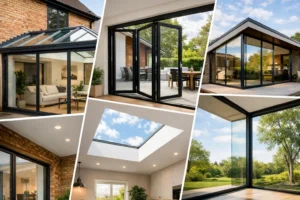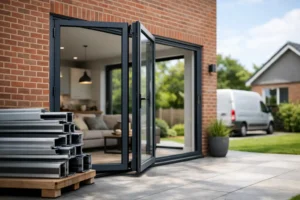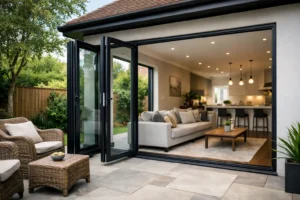

A set of bifold doors can completely change how a room feels – but only if you choose the right system for the space, the way you live, and the standard of finish you expect. If you are working out how to choose bifold doors, the best starting point is not colour or price. It is how the doors need to perform in everyday life.
For some homeowners, the priority is opening a kitchen extension onto the garden with as much clear space as possible. For others, it is keeping sightlines slim, improving warmth in winter, or making sure young children can move safely in and out. The right choice usually comes from balancing appearance, practicality, thermal efficiency and budget, rather than chasing one feature alone.
How to choose bifold doors without getting the basics wrong
The most common mistake is treating all bifold doors as broadly the same. In reality, frame depth, panel sizes, traffic door options, threshold design, glazing specification and hardware quality all affect the finished result.
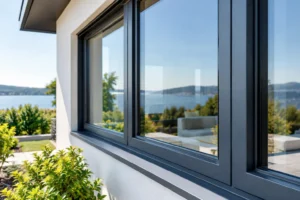
Material is one of the first decisions. For most modern extensions and renovations, aluminium is the strongest all-round option. It allows slimmer frames than many alternatives, gives a clean contemporary look, and stands up well to British weather with very little maintenance. A well-made aluminium system with a thermal break and energy efficient glazing also delivers strong thermal performance, so you are not choosing style at the expense of comfort.
That matters particularly in larger openings, where weaker systems can feel compromised. If you want generous glass areas, smooth operation and long-term durability, aluminium bifold doors are usually the safer investment.
Start with the opening, not the brochure
Before comparing systems, look closely at the size and shape of the opening. A wide rear extension may suit a five, six or seven panel arrangement, while a smaller kitchen diner might work better with three panels and a simpler fold pattern. The aim is to make the doors feel proportionate to the room and practical to use every day.
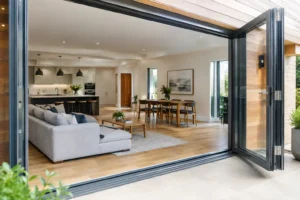
Configuration matters more than many people expect. You need to decide where the doors will stack when open, whether they should fold inwards or outwards, and whether you want a traffic door for quick access without opening the full set. This is especially useful if the doors lead to the garden and become the main route in and out during warmer months.
There is no single best arrangement. Outward opening doors can save internal floor space, but they need enough room outside. Inward opening doors keep the exterior cleaner visually, but they can interrupt furniture layouts. The right answer depends on how the room is used.
Think carefully about sightlines and style
Most homeowners choose bifold doors because they want more light and a stronger connection to the garden. That makes frame design an important part of the decision. Slimmer sightlines usually create a cleaner, more contemporary finish and keep the focus on the glass rather than the frame.
That said, the slimmest option is not always the best one for every property. On a period home with a more traditional rear elevation, you may want a finish that feels modern without looking stark. Powder coated aluminium gives you plenty of flexibility here, with popular choices including anthracite grey, black, white and dual colours for different internal and external looks.
Handle styles, glazing bars and hardware finishes also shape the final appearance. These details are easy to overlook at quotation stage, but they make a visible difference once the doors are installed.
Thermal efficiency should be part of the decision from day one
Large glazed doors need to do more than look good in summer. They should also help keep the room comfortable through colder months. When comparing options, ask about the full specification rather than relying on a broad statement that the doors are energy efficient.
Frame design, thermal break technology and glazing all play a part. Double glazing is the standard choice for most homes, but the quality of the sealed unit, spacer bars and glass specification still varies. In some projects, upgraded glazing may be worthwhile if the room has a lot of exposed glass elsewhere, such as roof lanterns or fixed screens.
A good bifold door should help reduce draughts, support heat retention and meet current Building Regulations. This is one area where a proven system and proper installation matter just as much as headline figures.
Security is not an extra
Homeowners often focus on glass and frame aesthetics first, then ask about locks later. It should be the other way around. Bifold doors are a major access point, so security needs to be built into the system from the start.
Look for multipoint locking, strong cylinder protection, quality hinges and tested hardware. A well-engineered aluminium system should feel solid in operation, not light or loose. Top-of-the-range security features should be standard, not added as an afterthought.
This is particularly important on family homes where the doors open onto a rear garden or side access. A secure door set offers peace of mind, but it also says something about the quality of the whole product.
Thresholds, flooring and day-to-day use
One of the biggest practical choices is the threshold. If you want the easiest possible movement between inside and outside, a low threshold can create a cleaner transition and reduce trip hazards. That is often ideal for kitchen extensions, patios and homes where children or older family members use the space regularly.
The trade-off is that threshold design has to balance accessibility with weather performance. A fully rebated option may offer stronger weather resistance in more exposed locations, while a low threshold may suit sheltered openings better. This is a classic case of it depends.
It is also worth thinking about finished floor levels early. Bifold doors look and work best when internal flooring, external paving and threshold details are planned together rather than pieced together late in the project.
Comparing systems means looking beyond price
If you are weighing up different products, compare like with like. A cheaper quotation can look appealing until you realise it excludes upgraded glazing, better hardware, preferred colours or installation details.
Well-known aluminium systems such as Smarts Visofold 1000 Bifold Doors, Smarts Visofold 6000 Bifold Doors, Schuco ASFD75 Bifold doors, ASFD90.Hi Bifold Doors, Cortizo Bifold Plus and Origin OB49 Bifold Doors each suit slightly different priorities. Some homeowners want a trusted all-rounder with strong value, while others are focused on premium sightlines, larger panel capabilities or higher-end thermal performance. The best choice depends on the opening size, budget and design brief.
This is why bespoke quoting matters. The right supplier should help you compare configurations, explain the differences in clear terms and guide you towards a system that matches the property rather than simply pushing the cheapest option.
Installation or supply only?
Another part of how to choose bifold doors is deciding how the project will be delivered. If you want one point of responsibility, a full survey and installation service is usually the straightforward route. It reduces the chance of measurement issues and makes compliance easier to manage.
If you are an experienced renovator, builder or homeowner managing your own project, supply only can still work very well. The key is making sure the technical specification is right before manufacture. Bespoke aluminium doors are not an off-the-shelf purchase, so accuracy at the ordering stage is essential.
An experienced specialist will be able to support both approaches without making the process feel complicated.
How to choose bifold doors that still feel right in five years
Trends change quickly. Good doors should not. The safest approach is to choose a system that suits your home architecturally, performs well in British conditions and offers the practical details you will still appreciate years from now.
That usually means prioritising quality aluminium frames, dependable thermal performance, strong security, smooth operation and a configuration that fits daily life. The fashionable colour of the moment matters less than whether the doors open the way you need them to, keep the room comfortable, and make the space feel brighter and better connected.
If you are investing in an extension, renovation or garden-facing upgrade, bifold doors are too prominent to treat as a last-minute decision. Take time over the layout, specification and finish, and the result will feel less like a purchase and more like a genuine improvement to how your home works.