When a patio door is even slightly wrong, you notice it every day. The frame feels heavy, the sightlines look clumsy, the opening does not quite suit the room, and the connection to the garden never feels as clean as it should. That is why made to measure patio doors are usually the right choice for homeowners who are renovating, extending or replacing tired rear doors. A precise fit does more than improve appearance. It affects security, thermal performance, usability and how much natural light you bring into the home.
For most projects, off-the-shelf sizes create compromises. You may need extra packers, larger trims or awkward filler panels just to make the product work. A bespoke aluminium system is designed around the opening, the layout of the room and the way you actually want to use the space. That leads to a better result visually and practically.
Why made to measure patio doors make such a difference
The biggest advantage is simple – they fit the opening properly. In a home extension, that might mean creating a wide, uninterrupted opening onto the patio. In an older property, it could mean dealing with dimensions that are far from standard. Either way, made to measure patio doors allow you to work with the home rather than forcing the home to work around a standard product.
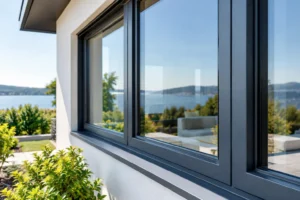
That tailored approach also helps with proportions. Slim aluminium frames are popular because they maximise glass and keep the overall look modern, but those slim sightlines only look right when the door is sized correctly. If the panels are too wide, too narrow or out of balance with the opening, the finish can feel wrong even if you cannot immediately say why.
There is also a performance benefit. A well-made aluminium patio door with a thermal break and energy efficient glazing can help reduce heat loss while keeping the room bright. Security matters just as much. Doors should feel solid in daily use, lock confidently and meet current expectations for home protection. A bespoke specification gives you more control over all of that.
Choosing the right style of made to measure patio doors
The right door style depends on how you live in the room, not just what looks best in a brochure. Sliding doors and bifold doors each suit different priorities.
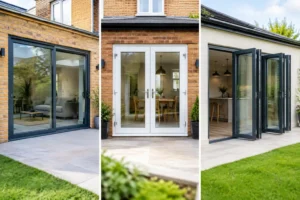
If your main aim is large panes of glass and uninterrupted views, a sliding system is often the stronger option. Products such as the Smarts Visoglide Plus sliding door, Schuco ASE60 Sliding Door, Schuco ASE80 Sliding Door, Cortizo COR Vision Sliding Door and Cortizo COR Vision Plus Sliding Door are designed to deliver generous glazing and a clean contemporary finish. They are particularly effective in kitchen extensions and open-plan living spaces where daylight and garden views are the priority.
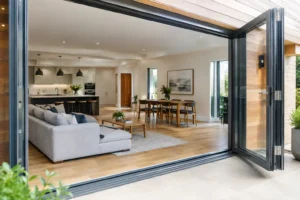
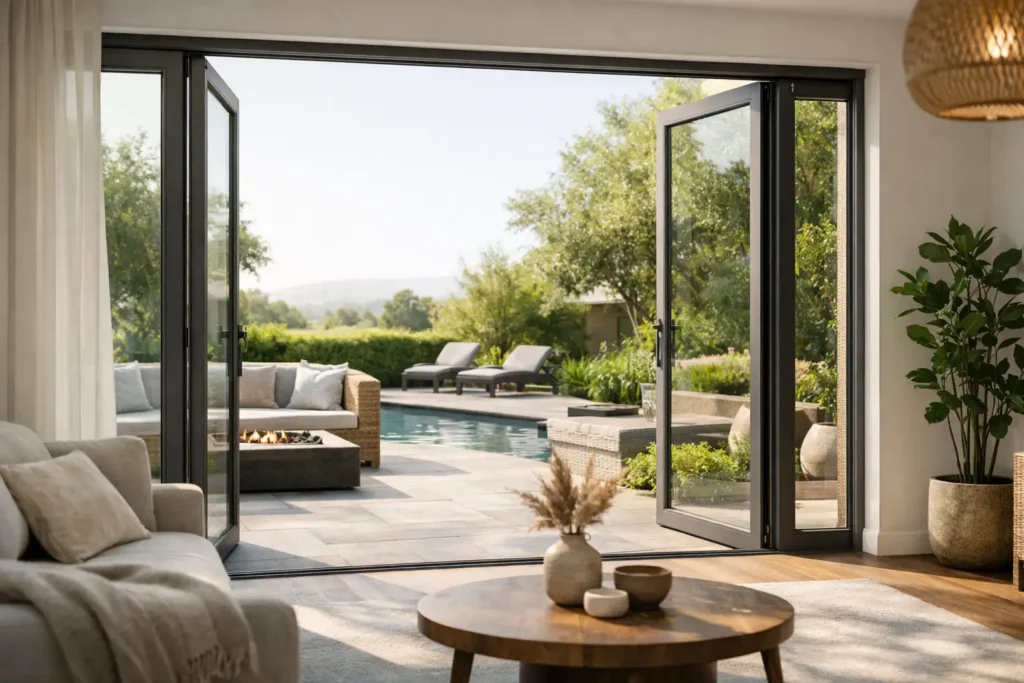
Bifold doors, on the other hand, are ideal when you want to open up as much of the rear elevation as possible. During warmer months, that fuller opening changes how the room feels and how the garden is used. Systems such as Smarts Visofold 1000 Bifold Doors, Smarts Visofold 6000 Bifold Doors and Origin OB49 Bifold Doors suit homeowners who want flexibility between partially open and fully open living.
It is not always a straightforward decision. Sliding doors usually keep more fixed glass in view and can offer very slim vertical frames, but only part of the opening will slide. Bifolds can stack away neatly and create a wider opening, but there are more frame lines because of the multiple panels. The best choice depends on whether your priority is the view, the opening width, or a balance of both.
What to consider before you order
Size is only the starting point. The most successful patio door projects are shaped by a series of practical decisions that affect the finished result.
Threshold design is one of them. A low threshold can improve access to the garden and create a neater transition between inside and outside. For family homes, especially where children, guests or less mobile relatives use the doorway regularly, that detail can make a noticeable difference. At the same time, threshold choice must be balanced with weather performance and the specific location of the door.
Panel configuration matters too. With bifolds, homeowners often focus on the total width but overlook how the traffic door will work in everyday life. Think about which side you approach from, where furniture will sit, and whether you want the main access leaf opening inwards or outwards. With sliding doors, consider how many panes you want and which panel should move. These details affect convenience far more than people expect.
Colour and hardware are equally important because patio doors are such a dominant feature. Anthracite grey remains a popular choice for contemporary homes, but it is not the only answer. Black, white and bespoke finishes can all work well depending on the property style, window colour and the tone of the extension. Matching handles, cills and accessories helps the whole installation feel more considered.
Thermal efficiency, security and compliance
A patio door should do more than look impressive on day one. It needs to perform through winter, cope with regular use and meet the standards expected of a modern home improvement product.
Aluminium has become the preferred choice for many homeowners because it offers strength without bulky frames. When combined with a thermal break and quality glazing, it can deliver strong thermal efficiency while keeping sightlines slim. This is especially valuable in larger glazed openings where heat retention is a common concern.
Security should never be treated as an optional extra. Multi-point locking, strong profiles, dependable hardware and well-manufactured frames all contribute to a safer result. Top-of-the-range security should come as standard, particularly on ground floor openings at the rear of the property.
Compliance also matters. Whether you are replacing existing doors or fitting new ones as part of an extension, the product and installation need to align with relevant Building Regulations. That includes areas such as thermal performance and safety glazing. Working with an experienced specialist reduces the risk of costly mistakes or delays.
Supply only or full installation?
This depends on your project and your confidence level. Some homeowners are managing a build with their own builder or are experienced enough to handle a supply-only order. In that case, a made to measure product gives you the flexibility to specify exactly what is needed while keeping control of the wider project.
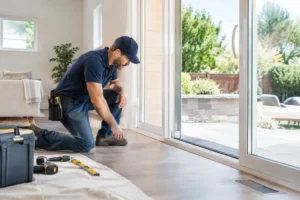
For many households, full installation is the easier and safer route. Accurate surveying, correct fitting and proper finishing all influence how the doors perform over time. A good installation team will look beyond the frame itself and consider levels, sealing, tolerances and the final presentation. That reassurance is often worth it, especially on larger openings or more complex renovations.
There is no universal right answer here. Supply only can work well if measurements, structural opening details and installation expertise are already in place. Full installation is usually the better choice if you want one point of responsibility and fewer variables on site.
How pricing really works
Homeowners often ask for a guide price first, which is sensible, but made to measure patio doors are not priced by size alone. The final figure is shaped by system choice, overall dimensions, glazing specification, colour, hardware, configuration and whether installation is included.
A basic comparison between two doors of similar width can be misleading. One might include slimmer premium sightlines, upgraded glazing, a low threshold and a more complex finish. Another may be simpler on paper but less refined in use. The cheapest quote is not always the best value if the door falls short on performance, aesthetics or longevity.
A fast quotation is useful, but it should be backed by proper product knowledge. If a supplier cannot explain why one system suits your opening better than another, the price alone does not tell you much.
Getting the best result from your project
Good patio doors start with good decisions early on. Think about the room from the inside, not just the doors from the outside. Consider where the furniture goes, how sunlight enters the space, where you will walk, and how often the doors will actually be open in British weather. This often points you towards the right configuration more quickly than focusing on style alone.
It also helps to be realistic about priorities. If your main goal is uninterrupted views, a sliding system may outperform a bifold. If your priority is opening the house to the garden for entertaining, bifolds may be worth the extra frame lines. If thermal comfort is a concern, ask detailed questions about the profile, glazing and overall specification rather than relying on broad marketing claims.
For homeowners who want a tailored finish, dependable performance and clear guidance, working with a specialist matters. Companies with real experience in aluminium systems, surveying and installation are better placed to match the product to the property. That is where a bespoke approach pays off.
Made to measure patio doors should feel like part of the house, not an add-on. When the proportions are right, the operation is smooth and the specification suits the way you live, the result is more light, better access and a smarter finish you will appreciate every day.