Choosing between a roof lantern vs rooflight usually comes down to one room, one budget and one clear goal – do you want a dramatic architectural feature, or the cleanest possible way to bring in daylight? Both options can transform a dark extension, but they do it in very different ways. Getting that choice right matters, because the roof glazing you install will shape how the room looks, feels and performs for years.
Roof lantern vs rooflight – the basic difference
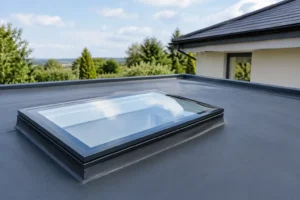
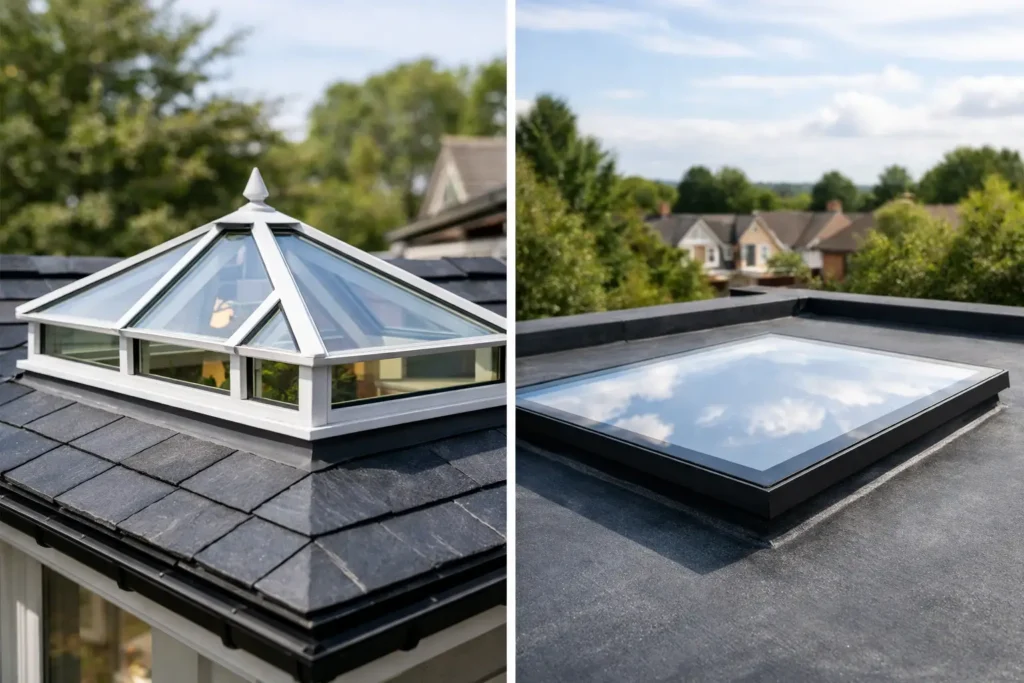
A rooflight is typically a flat glazed unit set into the roofline. It sits low, looks minimal from inside and outside, and is often the go-to choice for contemporary extensions where clean lines matter. On a flat roof, a fixed flat rooflight can bring in generous daylight without adding visual bulk.
A roof lantern is a raised glazed structure that projects up from the roof. It usually has a framed ridge and sloping glazed sides, which creates more of a traditional glazed roof effect. From inside, it becomes a focal point rather than a discreet opening.
That distinction is the starting point, but it is not the whole story. The better option depends on the style of your home, the size of the room, the height of the ceiling and how much emphasis you want to place on the glazing itself.
Which looks better in a home extension?
This is often the real question. Most homeowners are not comparing technical drawings – they are imagining the finished kitchen, dining area or family room and asking what will look right.
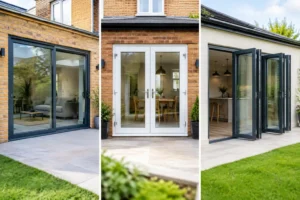
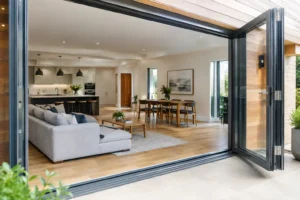
A rooflight suits modern extensions particularly well. If you are aiming for a crisp, understated finish with slim aluminium frames, large panes of glass and a strong connection to the garden, a flat rooflight tends to feel more in keeping. It works especially well alongside aluminium glazing such as bifold or sliding doors, where the overall design relies on neat sightlines and a contemporary look.
A roof lantern is more expressive. It adds height and shape to the roof, and that can make a room feel more grand. In period properties, or in extensions where you want to soften a very boxy flat roof, a lantern can bridge old and new nicely. It can also add visual interest in larger open-plan spaces where a plain ceiling might otherwise feel flat.
There is a trade-off, though. A lantern makes a stronger statement, which is a benefit if you want a centrepiece, but less so if you prefer a minimalist scheme.
Which brings in more light?
Many people assume a roof lantern always brings in more light. In practice, it depends on the design.
A flat rooflight often gives you a larger uninterrupted glazed area because there is less framing across the opening. That can mean more direct daylight entering the room, especially if you choose a generously sized unit. In a single-storey rear extension, this can be extremely effective over a kitchen island, dining area or central living space.
A roof lantern brings light in from several angles because of its pitched shape. That can create a brighter, more open feel through the day, particularly in deeper rooms. It also draws the eye upward, which changes the perception of space as much as the actual light levels.
So if your priority is maximum usable glass area, a rooflight may have the edge. If your priority is the sense of volume and overhead light from different directions, a roof lantern can feel more dramatic.
Ceiling height changes the decision
The height of the room makes a bigger difference than many homeowners expect.
In a lower extension, a flat rooflight often works better because it keeps the ceiling line clean and avoids making the structure feel crowded. It gives you daylight without adding visual complexity. This can be ideal in compact kitchen extensions where every line matters.
In a room with a higher ceiling, a roof lantern can really come into its own. The raised design creates a feeling of lift and makes the room seem taller. In larger open-plan extensions, that extra sense of scale can be worth paying for.
If your extension already includes large glazed doors such as Smarts Visofold 1000 Bifold Doors or a Smarts Visoglide Plus sliding door, the roof glazing should complement that layout rather than compete with it. A good scheme feels balanced, not overloaded.
Cost differences to expect
Budget is usually one of the main reasons homeowners narrow the choice quickly.
In most cases, a rooflight is the more cost-effective option. The structure is simpler, installation can be more straightforward, and there are often fewer framing elements involved. That does not mean cheap – a quality aluminium rooflight with energy efficient glazing is still a premium home improvement product – but it is generally the more economical route.
A roof lantern usually costs more because it is a more complex structure. The frame design, ridge details and installation requirements can all add to the final figure. If you are working to a fixed renovation budget, that extra spend needs to deliver something you genuinely value, whether that is appearance, ceiling impact or character.
The right question is not just which costs less. It is whether the visual and spatial effect justifies the difference for your project.
Thermal performance and comfort
Roof glazing should do more than brighten the room. It also needs to support year-round comfort.
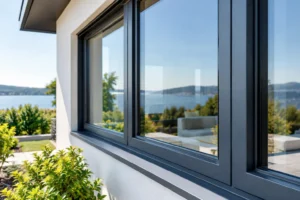
Modern rooflights and roof lanterns can both offer strong thermal performance when specified properly. Aluminium systems with a thermal break and energy efficient glazing help reduce heat loss and support better internal comfort. That matters in extensions, where large areas of glazing can otherwise create temperature swings.
A flat rooflight often has the advantage of a simpler form, which can make airtightness and insulation easier to optimise. A roof lantern has more framing and junctions, so product quality and installation standards become especially important.
Solar gain matters too. In a south-facing extension, very large overhead glazing can lead to overheating if the glazing specification is not right. This is not a reason to avoid roof glazing, but it is a reason to choose carefully. The best option is one that balances daylight with comfort, rather than chasing the biggest glass area possible.
Planning, installation and practicalities
From a planning point of view, many rooflights and roof lanterns can fall within permitted development, but every property is different. Roof design, projection height and conservation constraints can all affect what is possible. That is why early advice is valuable.
Installation details also matter. A rooflight is often the simpler choice from a build perspective, particularly on a straightforward flat roof. A lantern may require a more prominent upstand and more careful coordination with the roof structure. Neither is unusual for an experienced installer, but one may fit your project more neatly than the other.
Maintenance is worth considering as well. A rooflight is usually easier to clean visually and can look tidier for longer because of its low-profile design. A lantern has more bars and angles, which some homeowners love for character, but it can mean slightly more upkeep.
When a rooflight is usually the better choice
A rooflight tends to be the right fit when you want a modern extension, a clean ceiling line and excellent daylight without turning the glazing into the main feature. It works particularly well in contemporary kitchen-diners, rear extensions with slim-frame doors, and projects where simplicity is part of the appeal.
It is also a strong option when budget discipline matters, or where the room proportions do not really need a raised structure to create impact.
When a roof lantern is usually the better choice
A roof lantern is often the better choice when the room needs presence as well as light. If you want to add a sense of height, create a focal point above a dining table or kitchen island, or bring more architectural character into the space, a lantern can justify itself quickly.
It also suits homeowners who want a more classic glazed extension feel rather than a pared-back contemporary finish.
So, which should you choose?
If you want the shortest answer to roof lantern vs rooflight, it is this: choose a rooflight for a cleaner, more contemporary look and choose a roof lantern for more visual impact and a stronger sense of space.
The best results come from looking at the whole design together – roof glazing, doors, windows, orientation, ceiling height and how you actually use the room. A product that looks impressive on its own may not be the best match for your home. The right one is the option that makes the extension brighter, more comfortable and more cohesive every day, not just on installation day.
If you are weighing up options for a renovation or extension, it helps to compare them in the context of the full glazing scheme. That is often where the right answer becomes much clearer.