Choosing between bifold doors vs French doors usually comes down to one moment in the room – standing at the back of your kitchen or living area and picturing how you actually want to use the space. Do you want a wide, open connection to the garden in summer, or a simpler traditional opening that suits a smaller aperture and a tighter budget? Both can work well, but they suit different homes, layouts and priorities.
For most homeowners, this is not only a style decision. It affects natural light, furniture placement, access to the garden, thermal performance and how modern the finished room feels. If you are renovating, extending or replacing older patio doors, it is worth looking beyond appearance and thinking about day-to-day use.
Bifold doors vs French doors: the main difference
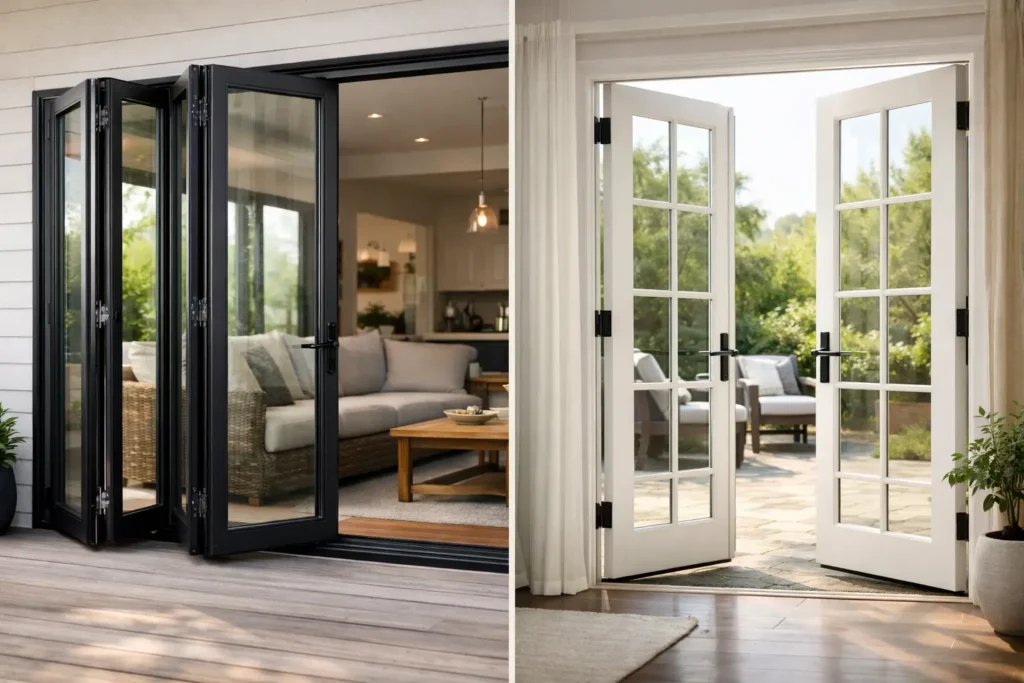
The simplest difference is how they open. French doors are usually a pair of doors hinged at the sides, opening inwards or outwards from the centre. Bifold doors are made up of multiple glazed panels that fold and stack to one or both sides of the opening.
That change in operation has a big effect on the room. French doors give you a clear central opening, but the total opening width is limited to the size of the two door leaves. Bifold doors can open up much more of the aperture, which makes them especially popular for rear extensions, open-plan kitchens and garden-facing living spaces.
If your priority is creating a stronger indoor-outdoor feel, bifolds usually offer more impact. If you want a straightforward replacement for existing doors without changing the character of the property too much, French doors can be the more natural fit.
Which looks better in a modern home?
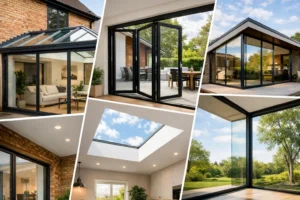
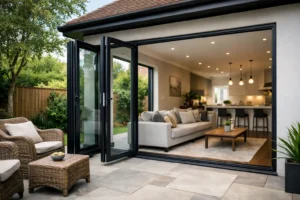
In contemporary homes, bifold doors usually have the edge. Slim aluminium frames, larger glass areas and wider openings all help create a cleaner, more architectural finish. They suit modern extensions particularly well, where the aim is often to bring in as much daylight as possible and make the garden feel like part of the room.
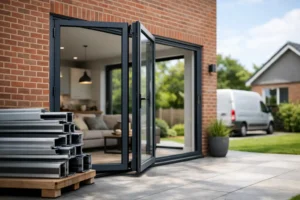
This is where aluminium systems stand out. A well-made aluminium bifold with a thermal break and energy-efficient glazing gives you the slim sightlines many homeowners want without sacrificing strength or performance. Products such as Smarts Visofold 1000 Bifold Doors or Origin OB49 Bifold Doors are designed for exactly this balance – strong frames, refined styling and practical performance for everyday use.
French doors can still look excellent, but their appearance is often more traditional. That can be a benefit rather than a drawback. On period properties, cottages or homes where you want to keep a softer look, French doors may sit more comfortably with the overall style. They can also work well alongside replacement windows where symmetry matters.
So the answer here depends on the house. For a crisp contemporary extension, bifolds usually look more at home. For a classic rear elevation or a simpler update, French doors may feel more appropriate.
Space, opening width and how the room works
This is often the deciding factor.
French doors need swing space. If they open inwards, you need to keep furniture clear inside the room. If they open outwards, you need to think about patios, pathways and whether the leaves will clash with outdoor furniture. In smaller spaces, that can become restrictive.
Bifold doors fold in sections, so they do not swing in the same way, but they do stack at the side when open. That means you trade swing space for stacking space. In a wide opening, that is usually a very good trade, because you gain far more usable access across the rear of the property.
For kitchen extensions and open-plan layouts, bifolds are often the better solution because they can span wider apertures and help the room feel less boxed in. They are also useful if you regularly entertain or want children to move easily between house and garden.
French doors are often better suited to narrower openings. If the structural opening is modest, a well-proportioned pair of French doors can feel balanced and practical without the added complexity of a folding system.
Best choice for small openings
If you are replacing existing back doors in a smaller opening, French doors are often more cost-effective and visually proportionate. They give you a simple access point with plenty of light and may avoid the need for broader design changes.
Best choice for wide extensions
If you have invested in a large rear extension, bifolds make more sense in many cases. A wide aluminium system can turn that opening into a feature rather than just a doorway.
Light and views
Both options let in good levels of natural light, especially when compared with older solid or part-glazed doors. The difference is in scale.
French doors usually include more framing through the middle because you always have the meeting stile where the two doors close together. Bifold doors also have vertical frames between panels, but because they are often installed across wider openings, the overall glazed area can be much larger.
That makes bifolds particularly effective in rooms where light is a major goal. If the brief is to brighten a deep kitchen diner or make a garden-facing room feel more open, larger aluminium bifold systems generally deliver more of that wow factor.
If uninterrupted views are your main priority, it is also worth noting that sliding doors are sometimes the better alternative. A system such as the Smarts Visoglide Plus sliding door can offer larger panes with fewer vertical breaks. But between bifolds and French doors alone, bifolds typically win on overall glass area in larger openings.
Security and thermal performance
Security matters whatever style you choose, and modern systems in both categories can perform very well. What matters is the quality of the frame, glazing, locking system and installation.
A good aluminium bifold should include multi-point locking, durable hardware and glazing that meets current standards. French doors can also be highly secure when built to the right specification. The old idea that one is automatically safer than the other is too simplistic. Poorly made products are the problem, not the opening style itself.
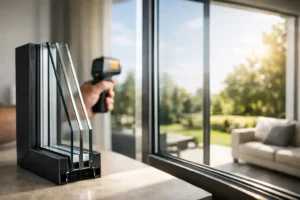
Thermal efficiency also comes down to specification rather than assumptions. Aluminium products with a thermal break and energy-efficient glazing are designed to help reduce heat loss while keeping the slim, strong frames that homeowners want. Whether you choose bifold or French doors, ask about frame design, glazing performance and compliance with Building Regulations.
In practice, a professionally specified aluminium bifold from an experienced specialist will often outperform older patio or timber door sets by a considerable margin. The same is true for well-made French doors. The key is choosing a system built for modern standards rather than comparing categories in the abstract.
Cost: which offers better value?
French doors are usually cheaper than bifold doors. They have fewer moving parts, simpler hardware and a more straightforward design, especially in standard sizes.
That said, value is not the same as lowest upfront price. If you are opening up a large extension and want the full width to work hard for the room, bifolds may offer better long-term value because they deliver the look and function the project was designed around. Going cheaper only to feel the opening underperforms is rarely satisfying.
Bifolds are the bigger investment, but they also create a stronger design statement and a more flexible opening. For many homeowners, that extra spend is justified by the improvement in light, layout and use of space.
French doors make strong sense where budget is tighter, the opening is smaller or the property style suits a more traditional finish. They are not a second-best option. They are simply a different solution.
Bifold doors vs French doors: which should you choose?
Choose bifold doors if you want to maximise the opening, create a more contemporary feel and make the garden feel closely connected to the house. They are especially effective in kitchen extensions, open-plan family spaces and larger rear elevations where natural light is a priority.
Choose French doors if you want a simpler, more affordable door style that works well in smaller openings or homes with a more traditional character. They are practical, attractive and often all that is needed for everyday access and ventilation.
If you are unsure, the best approach is to start with the opening itself. Width, room layout, threshold requirements, preferred frame material and the style of the property will usually point you in the right direction. In many modern projects, bespoke aluminium bifolds come out ahead because they offer more flexibility in panel configuration, colours, hardware finishes and threshold options, whether you need supply only or full installation.
The right door should not only look good on day one. It should make the room brighter, easier to use and more enjoyable every time you step out into the garden.